Burnout is more than ordinary tiredness. Here is how to recognize the signs, understand the causes, and begin to recover.
Burnout has become one of the most talked-about health issues of modern life, and for good reason. In a world of constant demands, always-on communication, and blurred lines between work and rest, more and more people are finding themselves running on empty. Yet burnout is often misunderstood, dismissed as simple tiredness or a lack of willpower, when it is in fact a serious state that builds gradually and takes real care to overcome.
Understanding what burnout is, what causes it, and how to recover from it can make a genuine difference in catching it early and managing it well. It affects not only how a person performs at work but also their health, relationships, and overall sense of wellbeing.
Burnout is a state of physical, emotional, and mental exhaustion caused by prolonged or excessive stress. The World Health Organization describes it as a syndrome resulting from chronic stress that has not been successfully managed. While it is most often linked to the workplace, the experience is not limited to paid work alone, as caregivers, students, and anyone under sustained pressure can experience it too. What sets burnout apart from everyday stress is its duration and depth. It develops over time and does not ease with a single good night’s sleep or a quiet weekend.
Common Causes and Signs of Burnout
Burnout rarely has a single cause. It tends to build from a combination of factors that accumulate over weeks or months. Common contributors include a heavy or unrelenting workload, long hours without adequate rest, and a lack of control over how work gets done. A sense that effort goes unrecognized, unclear expectations, and a poor balance between work and personal life all add to the strain. When demands consistently outweigh the resources a person has to meet them, burnout often follows.
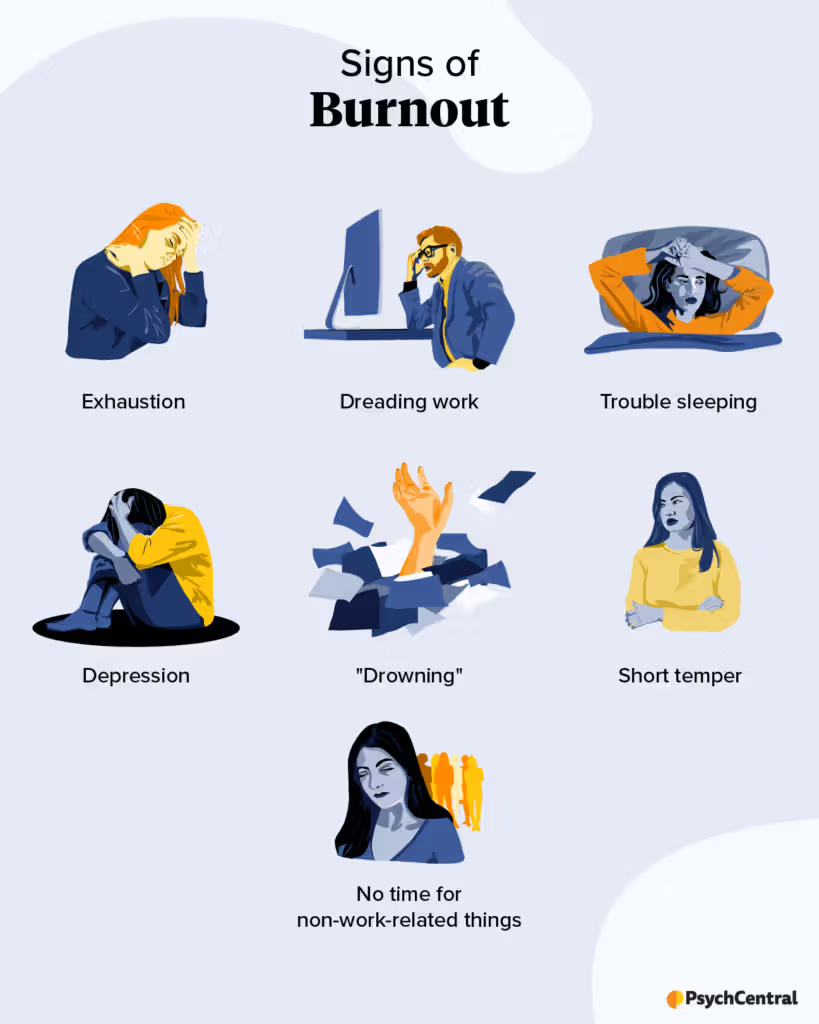
The signs tend to show up across the body, the emotions, and behavior, and recognizing them early is the first step toward addressing the problem. Common signs include:
- Persistent exhaustion that does not improve with rest, along with low energy throughout the day.
- Growing detachment, cynicism, or a loss of interest in work and activities that once felt meaningful.
- Reduced performance, difficulty concentrating, and a sense of ineffectiveness or self-doubt.
- Physical symptoms such as headaches, muscle tension, disrupted sleep, and frequent illness.
- Irritability, mood changes, and withdrawal from colleagues, friends, or family.
Left unaddressed, these signs tend to deepen over time, which is why paying attention to them early matters so much. Burnout is easier to manage when it is recognized before it takes a heavy toll.
Ways to Recover From Burnout
Recovering from burnout takes more than a short break, but it is very much possible with the right steps. The starting point is acknowledging the problem rather than pushing through it, since burnout rarely resolves on its own.
Several approaches can help. Prioritizing consistent, quality sleep gives the body and mind a chance to restore themselves, and regular movement or exercise is consistently linked to lower stress. Setting boundaries is equally important, whether that means learning to say no, delegating tasks, or stepping back from commitments that drain more than they give. Building genuine rest into the day, meaning downtime with no purpose beyond enjoyment, helps counter the constant pressure to be productive. Connecting with trusted people and talking openly about how you feel can offer both perspective and relief.
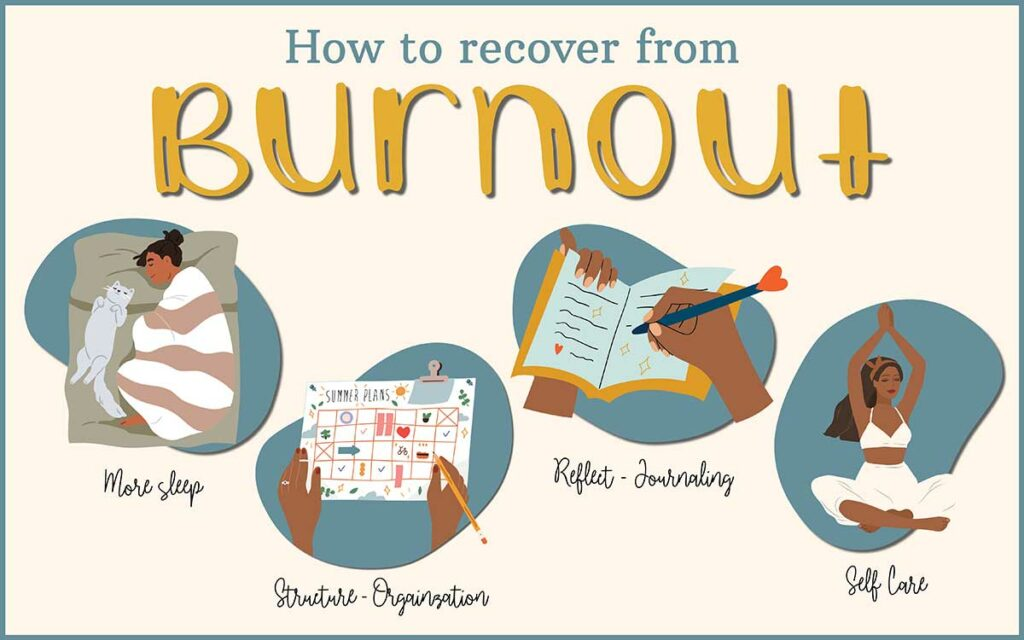
Addressing the root cause is essential for lasting recovery. Where burnout stems from work, that may mean a conversation with a manager about workload, adjusting responsibilities, or rethinking longer-term priorities. Small, sustainable changes tend to work better than dramatic ones that are hard to maintain, and progress is often gradual rather than immediate.
There are also times when professional support makes sense. If exhaustion, low mood, or a sense of detachment persists despite rest and self-care, speaking with a doctor or mental health professional can help. They can rule out other causes, offer tailored strategies, and provide support that self-help alone may not reach. Seeking help is a sign of strength, not weakness, and it can make recovery far more manageable.
Burnout is a real and serious condition, but it is also one that responds well to attention and care. Recognizing the signs, understanding what is driving them, and taking steady steps to recover can help restore energy and balance over time. Perhaps most importantly, protecting your wellbeing is not a luxury but a necessity, and small changes made consistently can prevent burnout from taking hold again.