

The celebrity body image debate is louder than ever, and missing the point!
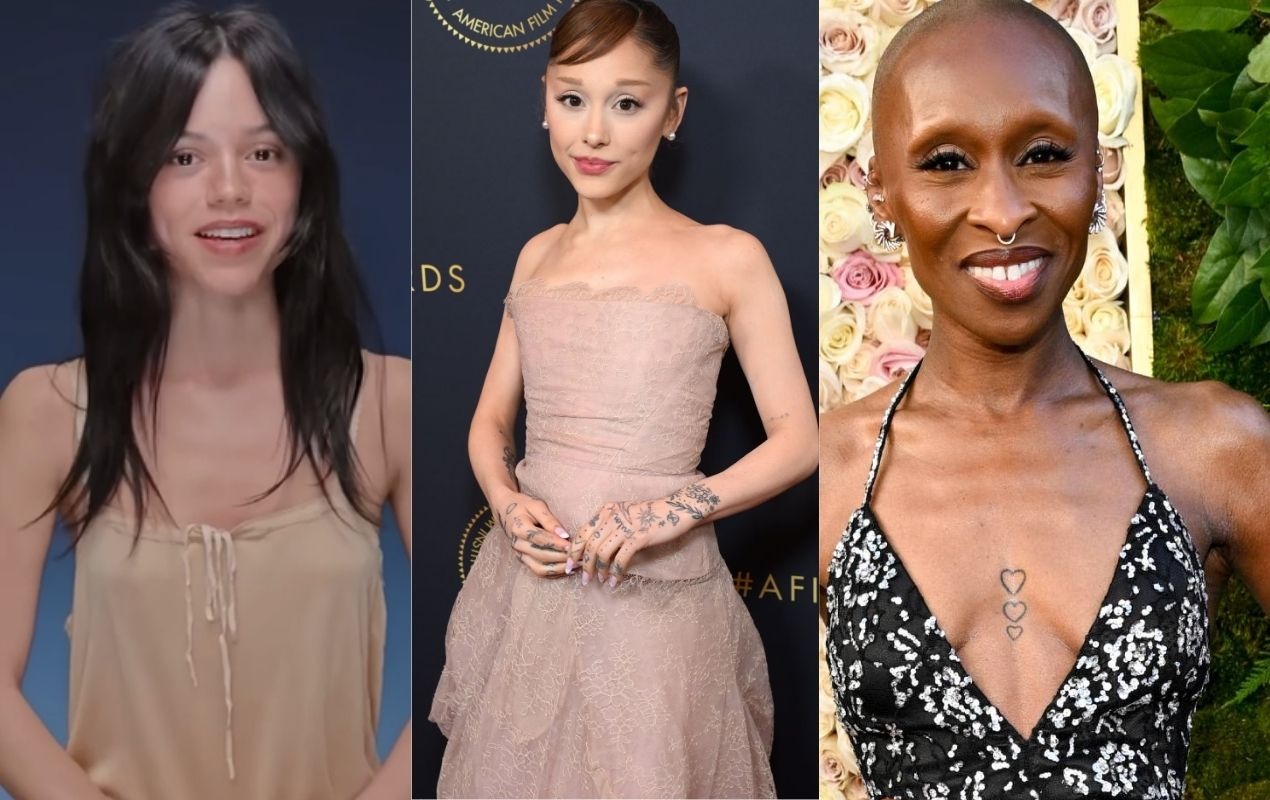
Another week, another famous woman whose changing body sets off a wave of comment. The pattern has become familiar enough to predict. A well-known figure appears in public, the response fixes almost immediately on how thin she looks, and within days a broader argument takes over about whether anyone should be saying so at all. Beneath a recent widely shared post on the subject, the debate crystallized into two opposing positions that have come to define the conversation.
On one side sits the view that silence is the real danger. As weight-loss drugs boom and extreme thinness returns to the cultural mainstream, the argument goes, a collective refusal to name what is happening allows it to quietly become the default. Women and girls, on this reading, gradually lose their sense of what an ordinary body actually looks like. On the other side sits an equally forceful objection, that scrutinizing an individual woman’s body, however well-intentioned, causes real harm, and that there is a meaningful difference between commenting on a person and questioning a culture.
Why many argue thinness is back in fashion
What is not in dispute is that something has shifted. For several years, Vogue Business has counted body types at the major fashion collections, and its analysis of the Spring/Summer 2026 season told a stark story. Of the 9,038 looks assessed across New York, London, Milan, and Paris, 97.1 percent featured models judged to be very small, while plus-size models accounted for well under one percent. Industry figures who had spent years championing greater size inclusivity found the trend reversing, with bookers reporting that work for regular and larger-bodied models was drying up.
Many observers have linked that shift directly to the rise of GLP-1 medications such as Ozempic and Wegovy, originally developed for diabetes and now widely used for weight loss. British Vogue’s editor has publicly connected the return of thinness to the number of celebrities believed to be using the drugs, describing a broader change in how the culture thinks about bodies. Commentators have drawn comparisons to the “heroin chic” era of the 1990s, while noting one important difference. Where that ideal was driven by aesthetic mood, the current moment is increasingly tied to medical intervention, with the language shifting, as one industry analysis put it, from diet to prescription.
The case that silence lets it spread
Those who worry about collective silence argue that visibility is precisely the problem. When extreme thinness saturates red carpets, runways, and social feeds without anyone naming it as unusual, it stops registering as unusual at all. For younger audiences in particular, the concern is that these images do not read as isolated moments but establish a norm. A teenager scrolling through a steady stream of shrinking celebrities, the argument runs, may quietly recalibrate her sense of what a healthy body looks like, without ever consciously deciding to.
Supporters of this position also point to questions of access and status. With some GLP-1 medications priced at hundreds of dollars a month, the look they help produce has become, in part, a marker of what a person can afford. That, critics say, risks reinforcing an old and damaging association between thinness and wealth, one that plays out globally as the same ideal travels through the same feeds to communities whose inherited standards once ran in the opposite direction.
The case that scrutiny does harm
The counterargument, voiced just as strongly, holds that naming and commenting on individual bodies is itself the danger. Clinicians who work with eating disorder patients have long warned that public scrutiny of a person’s appearance, even when framed as concern, can cause real distress among vulnerable audiences. When one high-profile singer faced a wave of commentary about her weight over the summer, specialists reported a noticeable rise in calls from people shaken by what they were reading online.
Those who take this view draw a firm line between critiquing a culture and dissecting a person. Questioning why a runway looks one way in ninety-seven cases out of a hundred, or why certain platforms profit from content glorifying extreme thinness, requires no comment on any individual’s body. Eating disorder specialists also caution against treating visible thinness as proof of illness, noting that these conditions do not have a single appearance and that such assumptions can leave people in larger or unchanged bodies feeling their own struggles do not count.
A conversation still searching for its footing
Between these positions sits a genuine and unresolved tension. Both sides claim to be protecting the same people, women and girls navigating a culture in which body ideals are once again narrowing, and both can point to real evidence for their concerns. The debate has also raised a question that recurs but rarely gets answered, namely why the same intensity of scrutiny so seldom attaches to male celebrities, whose body transformations tend to be read as discipline rather than cause for alarm.
What the argument has not yet produced is agreement on where responsibility lies. Whether the greater risk comes from speaking or from staying silent remains contested, and the boom in weight-loss drugs has only sharpened the stakes. For now, the conversation continues, louder than ever, as the broader forces shaping it, in pharmacies, on runways, and inside the algorithms that decide what gets seen, carry on largely undisturbed.
If you or someone you know is struggling with an eating disorder, the National Alliance for Eating Disorders helpline offers free, confidential support.