

Punjab has always been a land of stories, songs and poetry. Long before Punjabi became associated with modern music and popular culture, its poets were using the language to explore love, faith, rebellion, separation and the search for meaning. From the verses of Baba Farid to the poetry of Bulleh Shah, Waris Shah and Khwaja Ghulam Farid, Punjab’s literary tradition grew through voices that spoke directly to ordinary people.
Punjabi poetry is particularly distinctive because it brought spiritual and philosophical ideas into the language of everyday life. Baba Farid, who lived in the 12th and 13th centuries, is generally regarded as one of the earliest major Punjabi poets whose surviving verses established an important foundation for the tradition.
Centuries later, Shah Hussain transformed Punjabi Sufi poetry through the kafi, a form that would become central to the region’s poetic tradition. His verses explored longing, devotion and the human search for the divine. Sultan Bahu continued this spiritual tradition, using remarkably direct Punjabi to express ideas about the soul, love and God.
Then came Bulleh Shah, perhaps the most recognisable voice of Punjabi Sufi poetry. His poetry questioned social divisions and challenged the idea that spirituality could be confined by labels, status or ritual. His famous kafis continue to be sung centuries after his death, showing how closely Punjabi poetry has remained connected to music and oral tradition.
Waris Shah gave Punjabi another kind of literary landmark. His Heer transformed an existing love story into a vast portrait of Punjabi society, filled with observations about relationships, customs, power and human nature. His work helped establish the qissa tradition as one of the defining forms of Punjabi literature.
The tradition continued into the 19th century with poets such as Mian Muhammad Bakhsh and Khwaja Ghulam Farid. Bakhsh became celebrated for his mystical poetry and narrative verse, while Khwaja Ghulam Farid brought the landscapes and language of southern Punjab into poetry, giving the region one of its most distinctive literary voices.
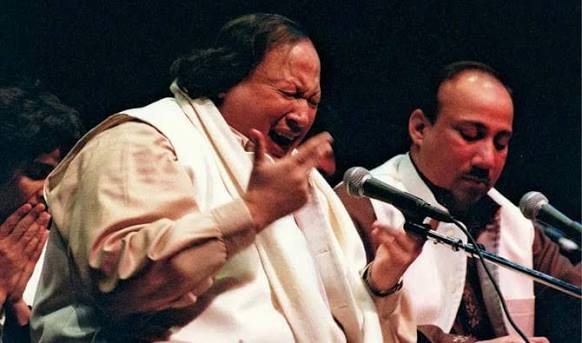
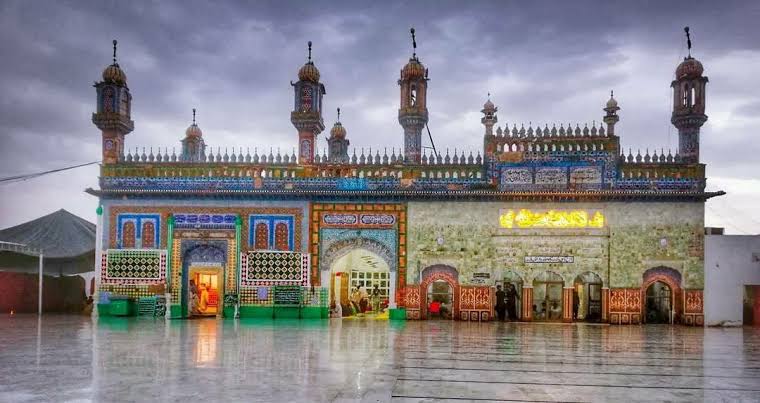
What makes these poets remarkable is that their poetry crossed boundaries. It was not confined to books or literary circles. It travelled through kafis, qissas, folk singers, shrines and gatherings, becoming part of the cultural memory of Punjab. Their legacy also reminds us that Punjabi literature cannot be reduced to a single religious, geographic or literary tradition. Its poets came from different backgrounds and wrote about different experiences, yet they shared an ability to turn the language of ordinary people into something profound.
Today, Punjabi poetry survives not merely as literature but as living culture. Its verses continue to be sung, recited and rediscovered, proving that the poets of Punjab did more than write poems — they gave Punjab a vocabulary for love, longing, spirituality and the human condition.