

Pakistan’s story is not the story of one community alone. It has been shaped by people of different faiths who served the country with courage, compassion, intellect and an unwavering sense of duty. On National Minorities Day, their contributions deserve to be remembered — not as a footnote to Pakistan’s history, but as part of the national story itself.
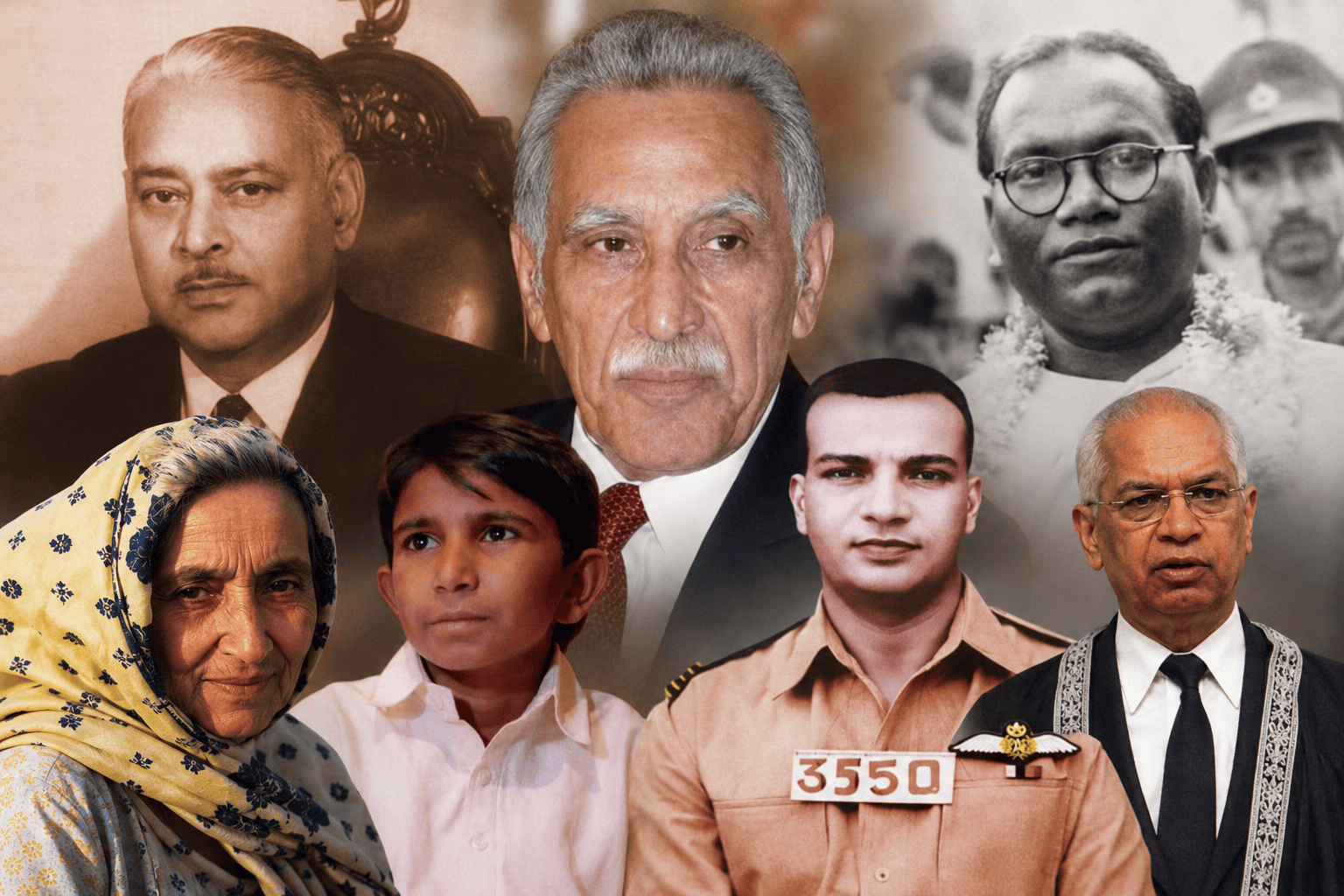
Among the country’s most distinguished legal figures was Justice Alvin Robert Cornelius, one of Pakistan’s earliest and most respected Chief Justices. A Christian by faith, Justice Cornelius was known for his deep commitment to constitutionalism, justice and the rule of law. His legacy remains a cornerstone of Pakistan’s judicial history.
Dr Ruth Pfau, the German-born Catholic nun who made Pakistan her home, devoted her life to fighting leprosy. Through decades of work, she helped build a nationwide network of treatment centres and transformed the way society viewed patients suffering from the disease. She became one of Pakistan’s most admired humanitarian figures, honoured with the Hilal-e-Pakistan and, posthumously, the Nishan-e-Quaid-e-Azam.
Jogendra Nath Mandal, a prominent Hindu leader from Bengal, became Pakistan’s first Law and Labour Minister. His role reflected the early vision of a country in which citizens of different faiths could shape its political and institutional life.
In the realm of social service, Iqbal Masih left a legacy far beyond his years. A young Catholic boy who escaped bonded labour in the carpet industry, he became an outspoken voice against child labour, urging the world not to buy carpets made by enslaved children. His courage came at the cost of his life, and he was posthumously honoured with Pakistan’s Tamgha-e-Shujaat, remembered as a symbol of resistance against exploitation and a champion for vulnerable children.
Pakistan’s armed forces also carry the legacy of minority heroes. Cecil Chaudhry, a Christian fighter pilot and Pakistan Air Force officer, distinguished himself during the 1965 and 1971 wars. A recipient of the Sitara-e-Jurat, he later devoted himself to education and social causes.
Another remarkable name is Mervyn Leslie Middlecoat, a Christian PAF officer who served Pakistan with distinction. He shot down two enemy aircraft defending Karachi in the 1965 war, and was posthumously awarded a Bar to the Sitara-e-Jurat after being shot down during a strike mission in the 1971 war — his remains were never found. He remains a symbol of sacrifice in the defence of the country.
In the judiciary, Justice Rana Bhagwandas broke barriers as one of Pakistan’s most prominent Hindu jurists. He served as Acting Chief Justice of Pakistan and became widely respected for his integrity, legal expertise and commitment to justice.
These individuals came from different religious backgrounds, but their commitment to Pakistan transcended those differences. Their lives remind us that national service has no religion. The white stripe on Pakistan’s flag stands for its religious minorities — a permanent reminder, woven into the nation’s very symbol, that they are not guests in this country but part of its foundation.
On National Minorities Day, celebrating these heroes is more than remembering history. It is a reminder of the Pakistan they helped build — and of the Pakistan in which every citizen, regardless of faith, can contribute, serve and belong.