


Your body’s need for protein doesn’t fade with age. If anything, it becomes more important.
Most of us grew up hearing that protein is for bodybuilders, gym regulars and growing children. Once we reach middle age, it rarely gets much thought. Meals become more about convenience, appetites shrink a little, and a quick cup of tea and a biscuit can easily stand in for breakfast.
Yet as the years go by, protein quietly becomes one of the most important parts of the plate. It helps the body hold on to muscle, recover from illness, keep bones strong and stay steady on its feet. Without enough of it, the natural changes that come with age can speed up.
The good news is that eating enough protein doesn’t require special shakes or complicated meal plans. With a few simple adjustments to everyday meals, most people can give their bodies what they need.
Why Your Body Needs More Protein as You Get Older
Muscle mass naturally starts to decline from middle age onward, and the loss tends to speed up later in life. When it becomes significant, doctors call it sarcopenia, a condition linked to weakness, falls and a loss of independence.
Protein provides the building blocks the body uses to repair and maintain muscle. The challenge is that older bodies become less efficient at using it. Researchers describe this as anabolic resistance, meaning the muscles respond less strongly to the protein you eat than they did when you were younger.
That has led many experts to suggest older adults may need more protein than the standard recommendation for adults, which is about 0.8 grams per kilogram of body weight a day. An international group of specialists known as the PROT-AGE Study Group recommended that healthy adults over 65 aim for around 1.0 to 1.2 grams per kilogram a day, with higher amounts for those who are ill or recovering.
At the same time, many people eat less as they age. Smaller appetites, changes in taste, dental problems, living alone or simply cooking less can all mean that protein intake drops just when the body needs it more.
How Protein Supports Strength, Bones and Recovery
The benefits reach well beyond muscle. Protein plays a role in keeping bones healthy, supporting the immune system and helping wounds heal. It is also important during recovery from surgery, illness or injury, when the body needs extra resources to rebuild.
Strength in daily life matters most of all. Having enough muscle makes it easier to climb stairs, carry shopping, get up from a chair and keep your balance. Over time, those everyday abilities make a big difference to independence and quality of life.
Protein works best alongside movement. Eating more of it without staying active will do little for muscle, but combining protein-rich meals with regular strength exercises, such as lifting light weights, using resistance bands or doing bodyweight moves, helps the body make the most of it.
How to Get Enough Protein Every Day
One of the simplest changes is to spread protein across the day rather than saving most of it for dinner. Many people eat very little protein at breakfast and lunch. Adding a source of protein to every meal helps the body use it more effectively.
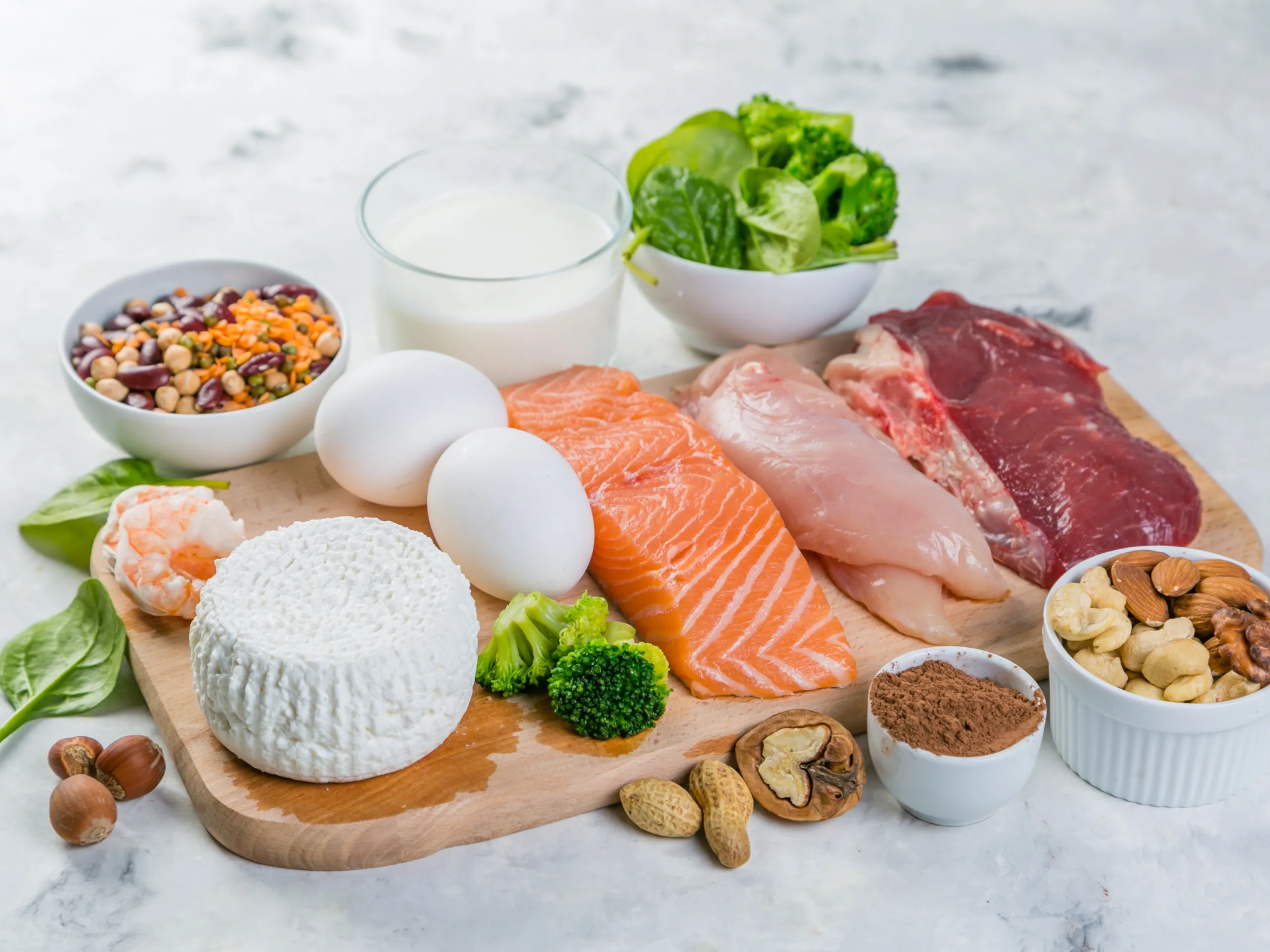
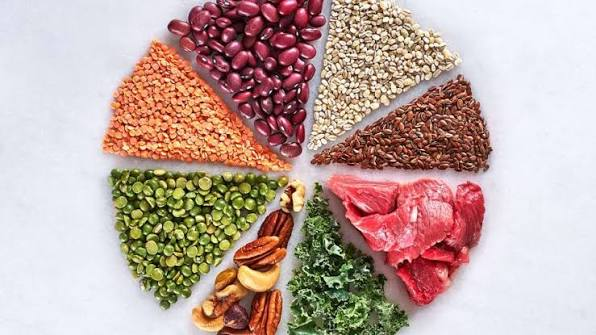
Variety helps too. Protein comes from both animal and plant sources, and mixing them makes meals more interesting and nutritious. Eggs, fish, chicken, yogurt, milk and cheese are all rich in protein, and so are lentils, chickpeas, beans, nuts and seeds.
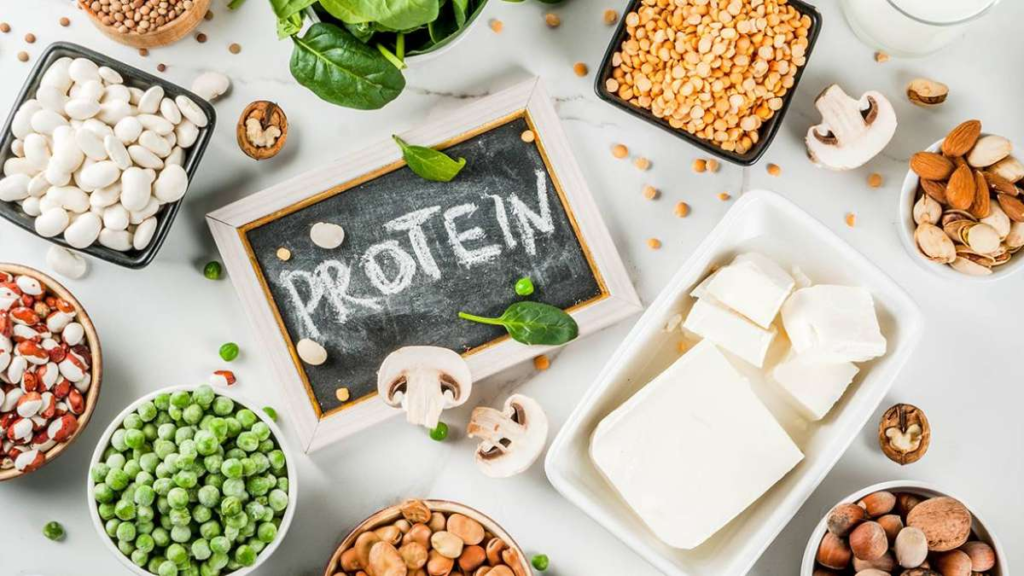
Small swaps can add up quickly. Choosing yogurt instead of a sugary snack, adding an egg to breakfast or a handful of lentils to a soup can boost protein without making meals feel heavy.
Disclaimer: Anyone with kidney disease or other medical conditions should speak to a doctor before increasing their protein intake, since some health conditions require a different approach.