


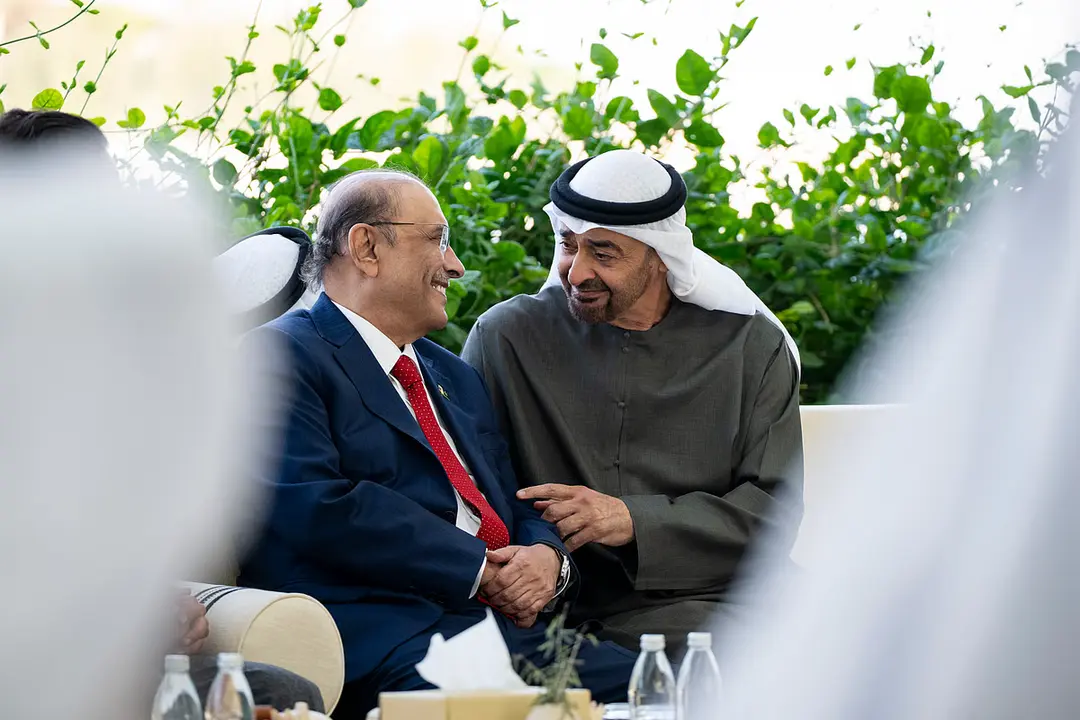
UAE President Sheikh Mohamed bin Zayed hosted Pakistan’s President Asif Ali Zardari at Qasr Al Bahr to fast-track CEPA and boost bilateral trade and investment.
When Pakistan’s President Asif Ali Zardari landed in Abu Dhabi for a four-day working visit, the optics were clear: a meeting at Qasr Al Bahr with UAE President Sheikh Mohamed bin Zayed Al Nahyan signaled a push to convert long-standing diplomatic warmth into concrete economic ties. The two leaders used the meeting to review the “full spectrum” of cooperation and to accelerate negotiations on a Comprehensive Economic Partnership Agreement (CEPA) that both sides say could reshape trade and investment links.
Why the meeting matters
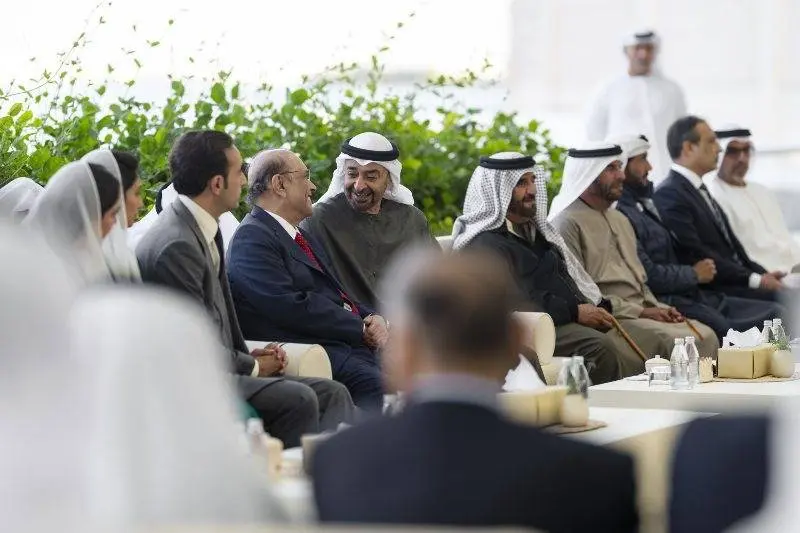
At first glance, a presidential welcome at Qasr Al Bahr is protocol, but in diplomatic terms it is also a deliberate statement of priority. The UAE and Pakistan have long shared political, social, and commercial ties, with millions of Pakistanis living and working in the Gulf. Trade and remittances support Pakistan’s external accounts, while the two countries also cooperate on energy, infrastructure, and security. Leaders meeting at the highest level signals an intent to move beyond goodwill gestures and towards deeper, institutionalized economic cooperation.
CEPA: more than a trade deal
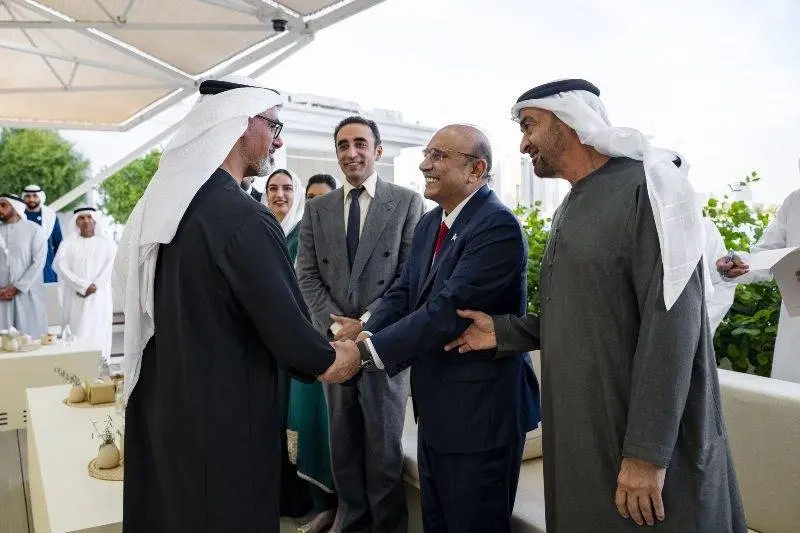
Central to the visit was the CEPA, a Comprehensive Economic Partnership Agreement that, if concluded, would lower trade barriers, expand market access, and aim to boost private investment flows. Both sides said they would fast-track negotiations and intensify technical work to complete the deal. For Pakistan, CEPA is viewed as a chance to attract capital, boost exports (especially from manufacturing and textiles) and plug gaps in logistics and energy financing. For the UAE, deeper access to Pakistan’s 240-plus million market and strategic location for access to South and Central Asia makes economic sense.
CEPA negotiations are technical and wide-ranging: they cover tariffs, services, investment protections, rules of origin, customs cooperation, and non-tariff barriers. Fast-tracking the talks, as both sides agreed, usually means governments will allocate more resources to negotiating teams, set clearer timelines, and possibly agree on phased arrangements to begin benefits even before a final, comprehensive text is signed.
Sectors that could benefit from UAE-Pakistan CEPA
Officials and analysts point to several areas that stand to benefit quickly if an agreement is reached:
- Trade and manufacturing: Preferential access could help Pakistani exporters of textiles, leather and light manufacturing scale up shipments to the UAE and re-export markets.
- Logistics and ports: The UAE has massive logistics capability; cooperation could shorten supply chains and reduce costs for Pakistani exports.
- Investment and infrastructure: The UAE’s sovereign and private capital could finance energy, transport and industrial projects in Pakistan.
- Services and finance: UAE financial and professional services could expand into Pakistani markets under improved rules and protections.
Political and diplomatic backdrop
The meeting also happened at a time when Pakistan held a seat at the United Nations Security Council, a platform both sides flagged as an opportunity for coordination on global issues. High-level interactions like this allow countries to align on broader regional concerns and to attach economic pledges to diplomatic initiatives. The UAE’s statements during the meeting emphasized not just trade, but peace, stability and continued diplomatic engagement.
CEPA negotiation challenges
CEPA is promising on paper, but negotiating and implementing an agreement between two economies at different development stages brings challenges:
- Asymmetries in manufacturing and services could create concerns in Pakistan about competition in some sectors, and in the UAE about protecting investor rights.
- Rules of origin and standards are often technical sticking points, who benefits from preferential tariffs will depend on detailed product-level rules.
- Non-tariff measures and regulatory alignment (e.g., sanitary standards, certifications) can take longer to harmonize than headline tariff cuts.
- Political cycles and external geopolitics can speed up or slow down agreements; both capitals will need sustained follow-through beyond the glamour of a palace meeting.
How CEPA fast-tracking will work
“Fast-tracking” in practice usually means setting clearer timelines for technical committees, agreeing to interim measures on select sectors, and coordinating ministerial visits to keep momentum. The statements from both sides indicate they want negotiators to move from conceptual frameworks to legally scrutable draft texts. If implemented well, this approach can produce early wins, limited tariff concessions or investment facilitation measures, while the broader agreement is completed.
Why the UAE-Pakistan CEPA matters
An agreement that lowers trade friction and attracts investment can translate into jobs, cheaper consumer goods, and better services, from logistics to banking. For Pakistani expatriates in the UAE, deeper bilateral ties often mean easier business links, more investment opportunities back home, and better frameworks for labor mobility. For UAE investors and companies, a stable and clearer trade and investment relationship opens a vast market and a hub to reach neighboring regions.
The Qasr Al Bahr meeting is a classic example of states converting diplomatic warmth into a negotiation push. Both sides appear serious about concluding CEPA and widening cooperation beyond ad-hoc investments. But moving from statements to signed, implemented agreements is a test of political will, technical capacity, and institutional follow-through. If the fast-track works, the next year could see a tangible shift in how the UAE and Pakistan trade, invest and cooperate, with implications for businesses, workers and the broader region.