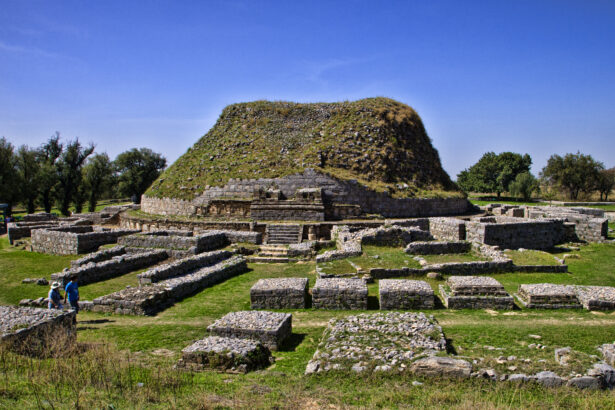



The Battle of Chawinda in September 1965 is remembered as one of the largest tank engagements fought since the Second World War.
Chawinda is a modest town, the kind you might pass without a second look. But for a few days in September 1965 it became one of the most fiercely contested pieces of ground in the entire war, the site of a tank battle so large that historians still reach back to the Second World War to find a comparison. Each September, as Pakistan marks Defence Day, that stretch of Punjab returns to the country’s memory.
What sets Chawinda apart from many Defence Day stories is that it belongs to no single hero. It was the work of thousands of soldiers holding a line together, and it produced some of the hardest fighting of the 1965 war. The memory of it honors a collective effort, which gives the battle a particular kind of weight.
Chawinda sits in Pakistan’s Punjab province, and in September 1965 the open ground around it filled with armor. Hundreds of tanks maneuvered across the plains in a series of engagements that stretched over days. For Pakistan, the defense of that sector became a symbol of standing firm under enormous pressure, a story told in military histories and commemorations ever since.
The town sat along a route that mattered a great deal during the war. According to accounts of the 1965 conflict, the sector was targeted as part of a large armored push, and Pakistan committed significant forces to defend it. The area drew such attention precisely because so much depended on whether the line there would hold.
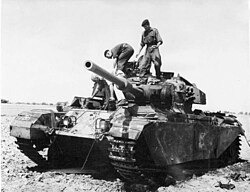
The Battle of Chawinda – One of History’s Largest Tank Battles
The scale of Chawinda is what earns it a place in military history. According to accounts of the September 1965 war, hundreds of tanks were involved across both sides, maneuvering over open ground in engagements that lasted several days. That concentration of armor is what leads historians to rank it among the largest tank battles fought since the Second World War.
The fighting was intense and costly, and the terrain around Chawinda became a proving ground for the soldiers defending it. Pakistani armored and infantry units worked to blunt the advance, absorbing repeated assaults and holding their positions through difficult conditions. The defense demanded coordination, patience, and a steady refusal to give way.
By the time the fighting eased, the advance through the sector had been checked. Pakistan remembers Chawinda as a successful defensive stand, one in which its forces prevented a breakthrough on a route that carried real strategic weight. The outcome is held up as a testament to the resolve of the units that fought there.
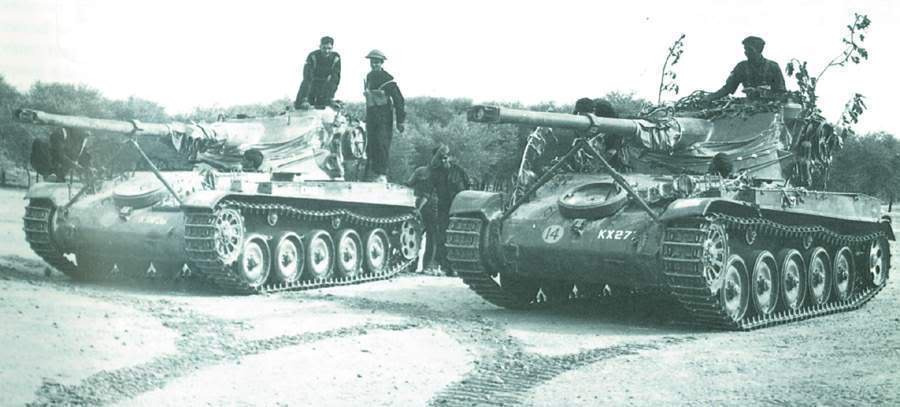
Why the Battle of Chawinda Endures on Defence Day
Chawinda is remembered differently from the individual hero stories that fill so many Defence Day tributes. It is a shared memory, one that honors thousands of soldiers rather than a single name, and that is part of its lasting power. The battle stands for a simple idea, that a line holds because many people refuse to let it break.
Each September, the engagement returns in histories, documentaries, and commemorations. Military institutions study it as an example of armored defense, and the town’s name carries a weight in Pakistan far beyond its size. For families whose relatives served in the sector, Chawinda is a point of quiet pride passed down through the decades.
On Defence Day, when Pakistan honors those who defended it, the Battle of Chawinda stands among the most significant chapters of the 1965 war. It is remembered not for one act of courage but for many, and for the thousands of soldiers who held their ground when it mattered most.