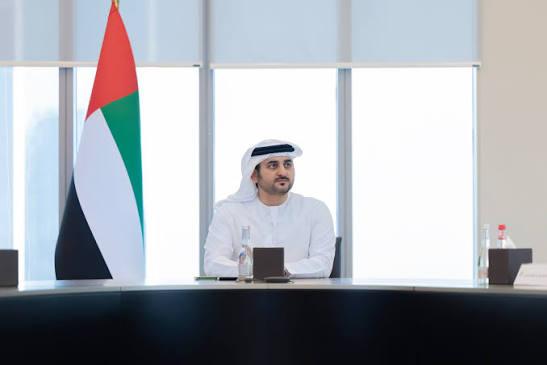



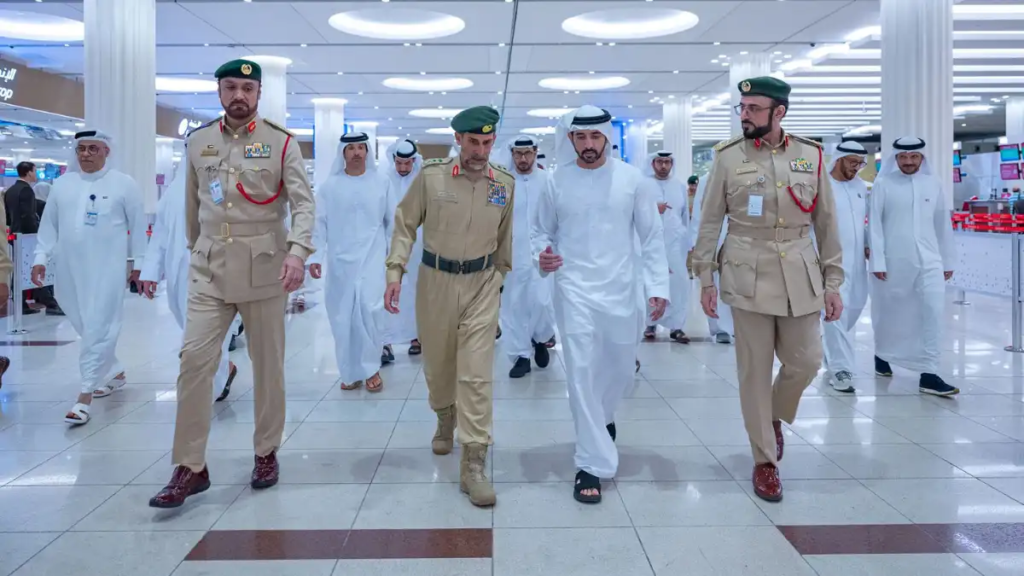
Hamdan bin Mohammed bin Rashid Al Maktoum commended the performance of Dubai’s aviation sector during an official visit to review airport operations. The visit focused on assessing the efficiency and coordination of services at Dubai International Airport, one of the busiest international travel hubs in the world.
During the visit, he was briefed by officials on operational processes, including passenger handling, flight scheduling, and coordination between different service providers. The review covered systems designed to ensure the smooth movement of passengers and aircraft across the airport’s terminals.
Recognition of Key Aviation Entities
Sheikh Hamdan specifically acknowledged the efforts of teams working across Dubai Airports, Emirates, and flydubai. These organizations collectively manage a significant portion of air travel operations in Dubai, from airport infrastructure and logistics to airline services and route connectivity.
Dubai Airports oversees the management of both Dubai International Airport and Al Maktoum International Airport, coordinating closely with airlines and regulatory authorities to maintain operational standards. Emirates operates a wide global network, while flydubai focuses on regional and medium-haul routes, contributing to overall passenger traffic.
Dubai International Airport handled more than 95 million passengers in 2025, reflecting the scale and capacity of its operations. This level of traffic positions the airport among the highest in terms of international passenger volume. The airport serves as a major transit hub, connecting destinations across Europe, Asia, Africa, the Americas, and Oceania. Airlines operating from Dubai facilitate both direct travel and connecting flights, enabling efficient global movement for passengers and cargo.
Operational Systems and Coordination
The aviation ecosystem in Dubai relies on coordinated systems involving airlines, ground handling teams, and airport authorities. These systems include check-in procedures, baggage handling, security screening, and boarding processes, all of which operate under standardized protocols.
The coordination between Dubai Airports, Emirates, and flydubai ensures that operations continue according to schedule. Each entity plays a defined role in maintaining efficiency across different stages of the passenger journey.
Integration of Technology in Aviation
Officials also provided updates on the use of technology within airport operations. Automated systems have been implemented for check-in, passport control, and baggage processing. These technologies are designed to streamline passenger movement and reduce processing times.
Digital infrastructure supports real-time monitoring of operations, allowing airport authorities to manage high passenger volumes while maintaining accuracy and efficiency. Continued investment in technology remains a part of Dubai’s aviation development strategy.
Regulatory Framework and Safety Standards
Dubai’s aviation sector operates within an established regulatory framework that ensures compliance with international safety and security standards. Airlines and airport operators follow guidelines related to aircraft maintenance, crew training, and passenger safety.
These regulations are aligned with global aviation bodies, ensuring that operations meet internationally recognized benchmarks. Safety protocols are implemented across all levels of airport and airline activity.
Future Expansion and Infrastructure Development
In addition to current operations, Dubai continues to expand its aviation infrastructure. Al Maktoum International Airport is part of long-term development plans aimed at increasing capacity for both passengers and cargo. Expansion projects are designed to support future demand and strengthen Dubai’s position as a global aviation hub. These developments include enhancements to airport facilities, runway capacity, and logistical systems.
Role in Global Transport and Economy
Dubai’s aviation sector plays a central role in facilitating international travel and trade. The combined operations of airlines and airport authorities support connectivity between global markets, contributing to tourism and economic activity. The infrastructure enables the movement of goods and passengers across regions, reinforcing Dubai’s role as a key transit and logistics center.
Sheikh Hamdan’s remarks during the visit reflect the operational scale and coordination within Dubai’s aviation sector. The collaboration between Dubai Airports, Emirates, and flydubai remains essential to maintaining efficiency at Dubai International Airport. The sector continues to function through structured systems, technological integration, and adherence to international standards.