

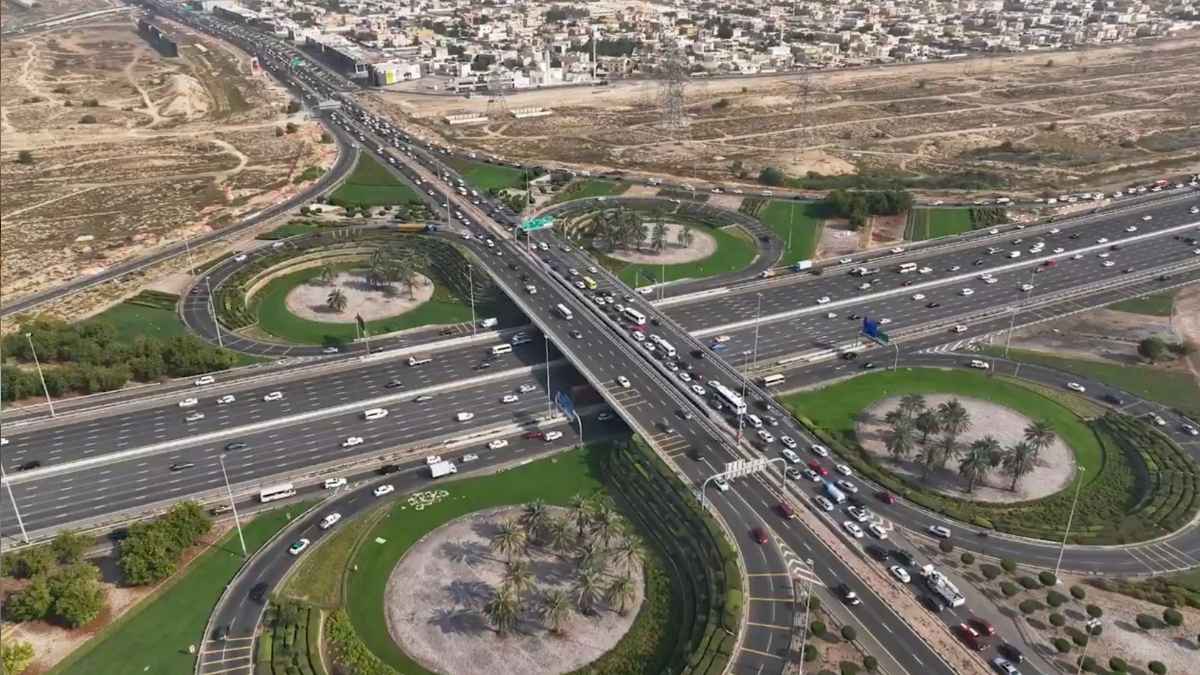
If you drive between Sheikh Zayed Road and Al Khail Road, your commute just got a lot shorter. The Roads and Transport Authority officially opened all works under the Hessa Street Development Project on Sunday. Four-point-five kilometers of road. Four lanes in each direction. Four major intersections upgraded from top to bottom.
Travel time along the full stretch drops from 15 minutes to four. Road capacity doubles from 8,000 to 16,000 vehicles per hour in both directions. The project cost approximately AED 690 million.
Hessa Street Intersection Upgrades Target Four Major Dubai Junctions
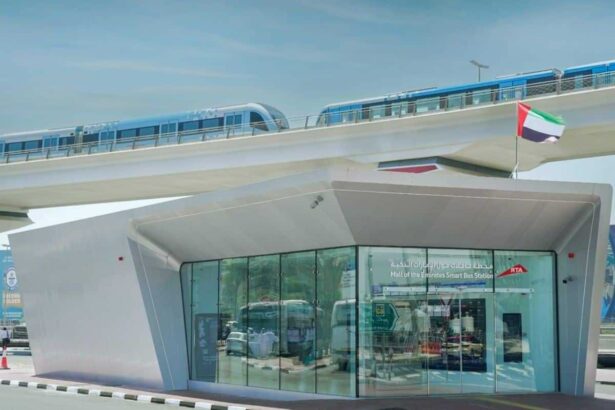
Each of the four intersections got a different treatment depending on what was needed. At Sheikh Zayed Road, engineers built a two-lane ramp directly above the Dubai Metro Red Line. It handles right-turning traffic from Sheikh Zayed Road onto eastbound Hessa Street toward Emirates Road. At First Al Khail Street, the existing bridge was widened from three lanes to four in each direction, with additional signal-controlled improvements at ground level.
Al Asayel Street needed more work. A brand-new bridge was built parallel to the existing one, pushing lane count from two to four in each direction along Hessa Street. Then there is Al Khail Road. A two-lane elevated directional ramp now serves traffic heading north toward Sharjah. New bridges above Al Khail Road handle vehicles going toward Deira.
Mattar Al Tayer, Director General and Chairman of the Board of Executive Directors of the RTA, said during a pre-opening inspection that the project was carried out in line with leadership directives to strengthen road infrastructure, support urban development, and accommodate Dubai’s growing population.
Hessa Street Dubai Serves 640,000 Residents Across Key Communities by 2030
Hessa Street cuts through some of Dubai’s most densely populated neighborhoods. Al Sufouh 2, Al Barsha, and Jumeirah Village Circle are among the primary areas served. So are Arjan, Dubai Science Park, Al Barsha South, Jumeirah Lakes Towers, Jumeirah Islands, Barsha Heights, The Greens, and Emirates Hills. The population across these communities is expected to top 640,000 by 2030.
The project also includes a 13.5-kilometer cycling and e-scooter track, 4.5 meters wide. It links Al Sufouh to Dubai Hills via Hessa Street and connects to Dubai Internet City Metro Station. A dedicated 5-meter bridge crosses both Sheikh Zayed Road and Al Khail Road. Three meters go to cyclists and e-scooter riders. Two meters are for pedestrians.
Phase 2 is already underway. It extends 3 kilometers from Al Khail Road to Sheikh Mohammed bin Zayed Road. That stretch includes 8,835 meters of new bridges and a 480-meter tunnel. Once complete, capacity on that section doubles from 4,000 to 8,000 vehicles per hour, and travel time falls from 24 minutes to five. Around 650,000 residents across 10 communities stand to benefit.