Bullah and Aag Lagay Basti Mein: Did These Two Pakistani Films Live Up To The Hype
This Eid, Pakistani cinema showed up with big stars and bigger budgets, but did they live up to the hype?
Mar 24, 2026
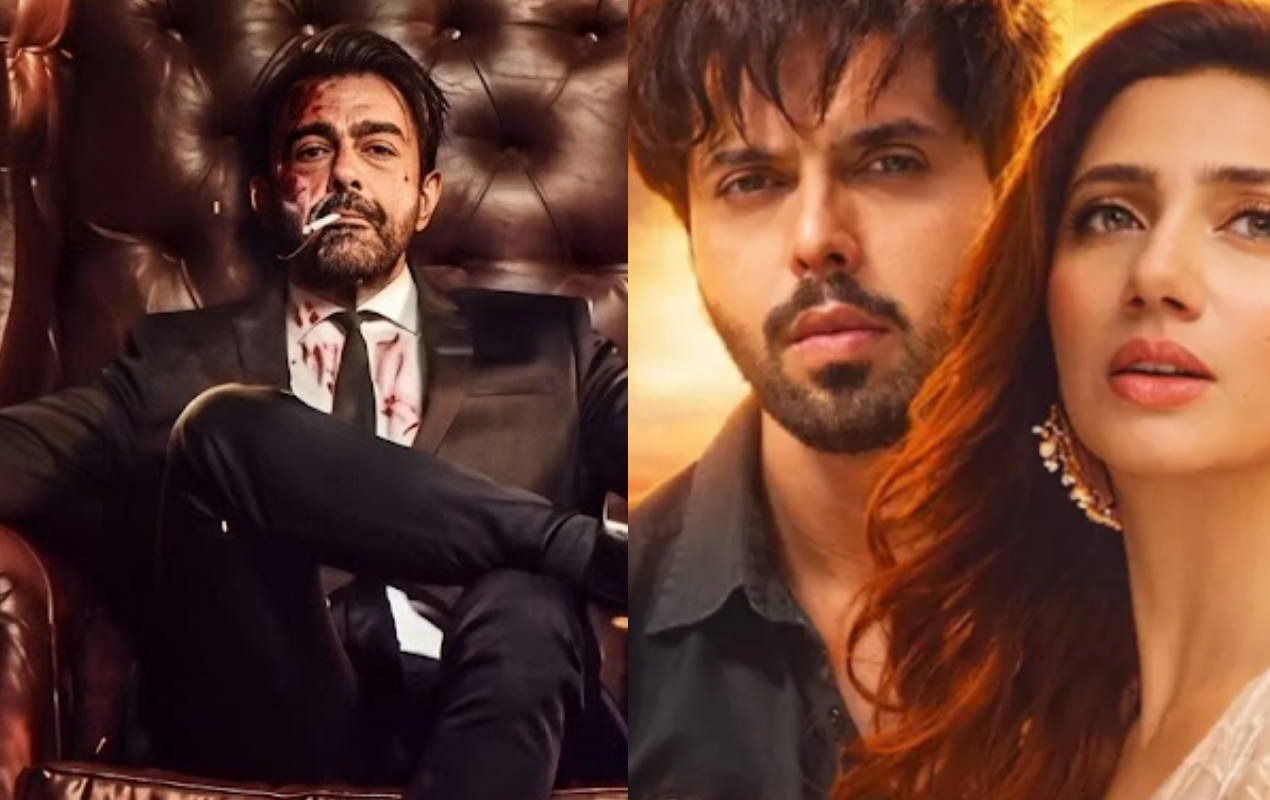
Eid in Pakistan has long been closely tied to cinema, with new film releases becoming an integral part of the celebration each year. Families flock to theatres in search of entertainment and shared moments, bringing with them the simple expectation of stories worth watching. However, this year's offerings fall short.
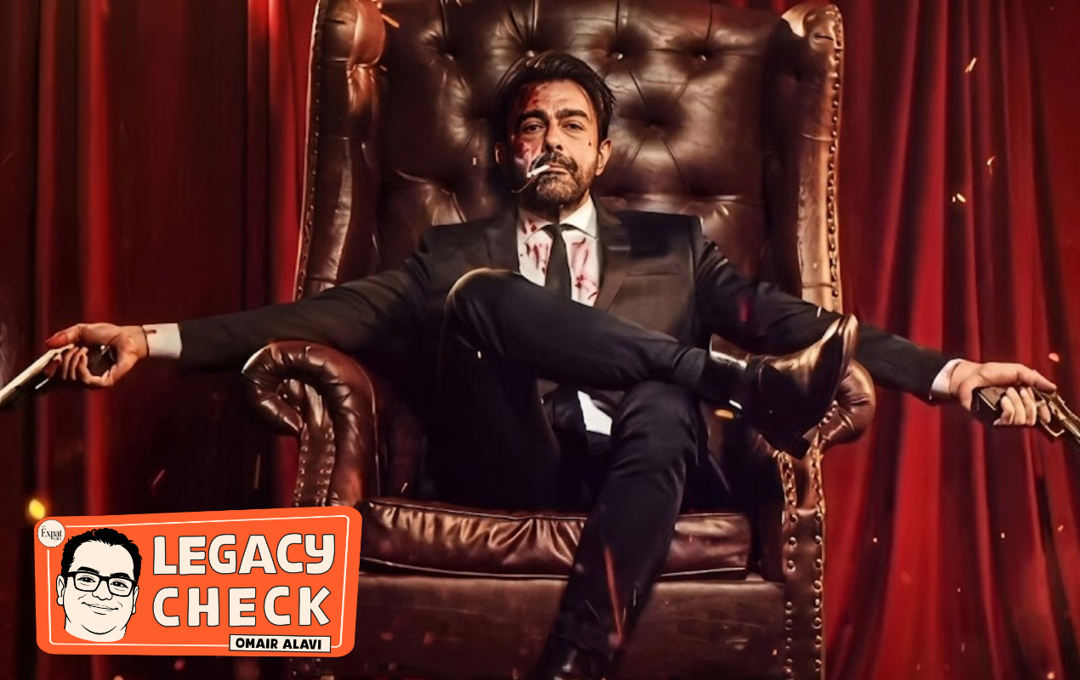
Despite star-studded casts and extensive promotion, significant weaknesses in storytelling, screenplay, and direction have become difficult to ignore. One of the most talked-about releases, "Bullha," leaves viewers with a lingering question: what is the film really trying to say? The narrative lacks clarity and direction, making it difficult to stay engaged. Characters appear briefly and then fade away without meaningful development. Their backgrounds, motivations, and connections remain unclear. Even the central character, Bullha, feels incomplete, never fully forming the emotional bond the audience seeks.
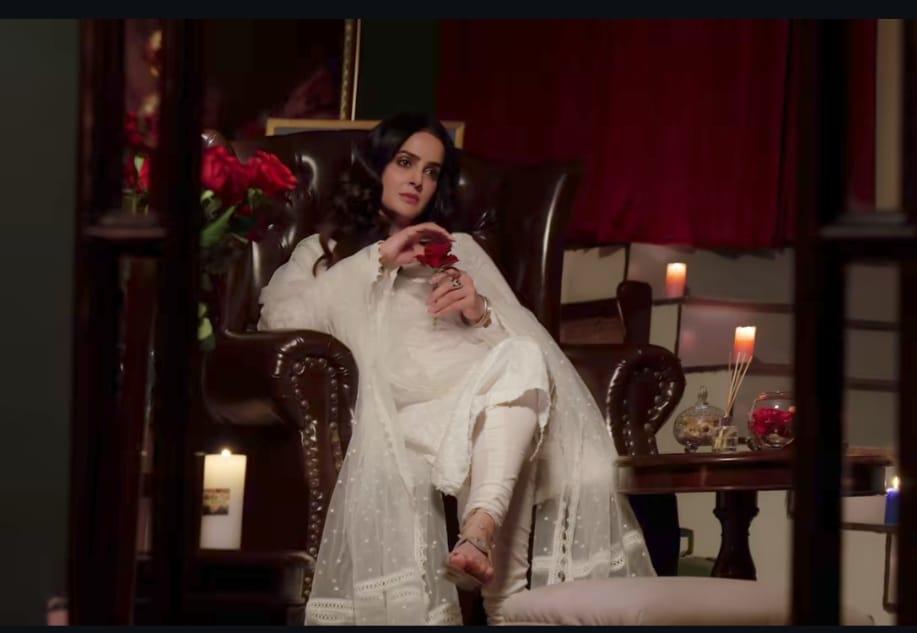
Naeema Butt delivers a commendable performance despite the limitations of the script. She holds her presence on screen, yet her character raises more questions than answers. Who is she? Where does she come from? What purpose does she serve in the story? The film offers no clarity. The songs, inserted abruptly, feel more like interruptions than enhancements, disrupting the already fragile flow. The female lead, too, lacks a defined identity, shifting inconsistently between heroine and vamp. While the film attempts to rely on action, these sequences feel hollow without a strong narrative to support them, becoming more tiring than thrilling.
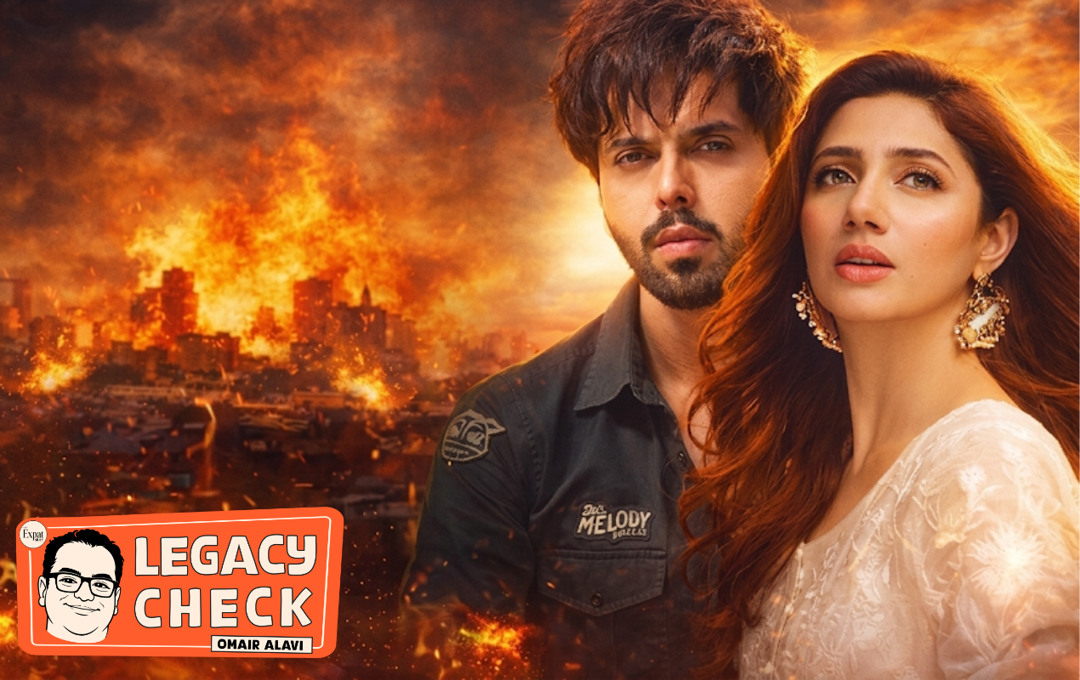
On the other hand, "Aag Lagay Basti Mein" presents a concept that could have explored deeper social realities but settles for a surface-level treatment. Mahira Khan portrays a woman driven by her obsession with moving to Dubai, a desire that pushes her husband toward theft and moral compromise. It is a premise rich with potential, yet the storytelling fails to fully realize its emotional and social depth.
Fahad Mustafa's character grapples with the tension between right and wrong, but this internal conflict never quite reaches the audience. Javed Sheikh makes an impression, though his role lacks the substance needed to leave a lasting mark. The underutilization of Ayub Khoso is particularly disappointing, as an actor of his calibre deserved far more. Tabish Hashmi, expected to bring freshness, also fails to stand out, his late appearance adds little to the narrative.
The film's direction further weakens its potential. Key moments lack coherence and emotional weight, leaving scenes feeling scattered rather than impactful. What could have been a powerful story ultimately becomes a missed opportunity.
When viewed together, both films reveal a common and concerning pattern: the absence of strong storytelling. Characters remain underdeveloped, relationships feel unclear, and the sequence of events lacks the continuity needed for a compelling cinematic experience. Star power, action, and glamour may draw audiences in initially, but they cannot sustain engagement without a solid narrative foundation.
Perhaps it is time for Pakistani cinema to move beyond relying solely on big names to carry films. Audiences today are more discerning, they seek meaningful stories. Especially on Eid, they don't just go to the cinema for spectacle, they go for a feeling. And that feeling can only come from a story well told.