


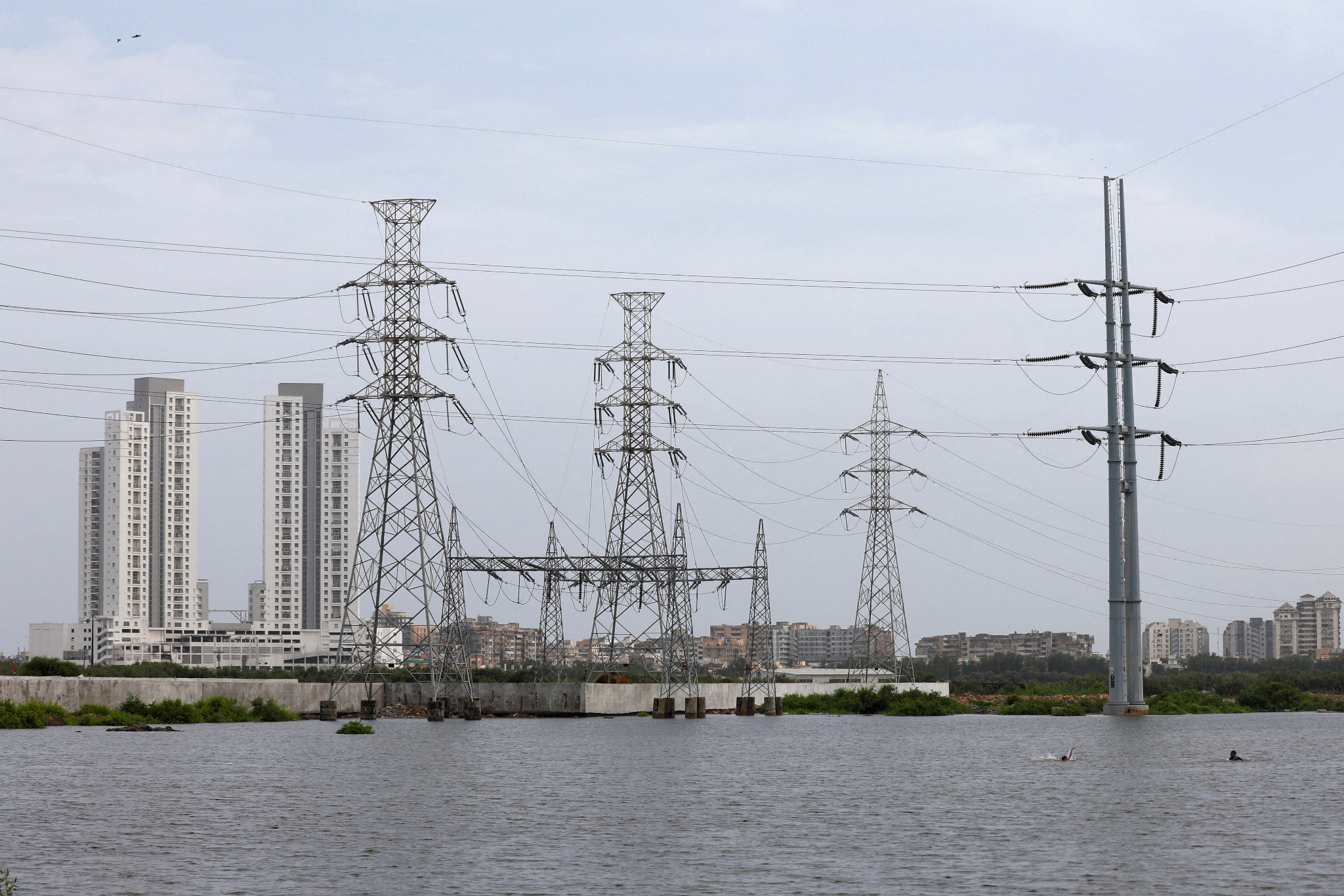
Pakistani operators are moving cell towers to solar power as load shedding and a wider electricity crisis strain the national grid.
Pakistani telecom operators are shifting toward solar-powered tower operations to reduce their dependence on the national grid. Officials of the Pakistan Telecommunication Authority disclosed the move during a parliamentary committee briefing, framing it as part of efforts to improve network resilience during prolonged power outages.
The authority, the country’s official telecom regulator, told the committee that increasing load shedding has become a major issue for operators. The PTA said operators are not electricity defaulters but still face outages lasting up to 12 hours in some areas, which makes it difficult to maintain uninterrupted communication services.
According to the PTA, telecom towers typically carry battery backup for only one to two hours. The regulator said this leaves mobile and internet networks exposed during extended outages. PTA officials urged lawmakers to recommend an uninterrupted power supply for telecom infrastructure and said stable electricity is necessary for reliable internet services.
The committee also discussed internet connectivity as an essential service and reviewed reports about satellite internet in remote areas, particularly Balochistan. Members noted that no satellite internet operators have been formally registered in the country. They called for improving digital connectivity through both traditional and emerging technologies.
The strain on towers reflects a wider energy problem. According to the Alternative Energy Development Board, as cited by Telenor, mobile operators are among Pakistan’s largest diesel fuel consumers, using around 1.2 billion litres a year for backup generation. When fuel supply or delivery is disrupted, towers that rely on generators go offline once the fuel runs out.
Pakistan Solar Shift and the Wider Electricity Crisis
The telecom sector’s pivot mirrors a broader move toward solar across Pakistan. According to the Pakistan Electricity Review 2026, published by the think tank Renewables First, the country had deployed an estimated 51 gigawatts of solar capacity as of March 2026, while solar module imports reached 54 gigawatts by the end of that month. The report said distributed solar, which includes net-metering, behind-the-meter, and off-grid systems, generated 51 terawatt-hours in fiscal year 2025, pushing total electricity generation to a record 186 terawatt-hours.
The same report said electricity generated by utility-scale sources fell to 135 terawatt-hours in fiscal year 2025, a 2 percent decline and the fourth consecutive drop from a peak in fiscal year 2022. It said this did not reflect falling demand but rather that a growing share of consumption was being met through distributed solar that bypasses the grid.
The shift has been driven by cost. According to Dawn, electricity tariffs rose by 155 percent between 2021 and 2024, while global solar panel prices fell sharply over the same period. Dawn reported that consumer-led solar climbed from 4 percent of electricity generation in 2021 to 14 percent in 2024. The Express Tribune reported that Pakistan became one of the world’s largest markets for Chinese solar panels during this period.
The trend has also prompted regulatory changes. According to South Asian Voices, the National Electric Power Regulatory Authority issued new prosumer regulations in February 2026, replacing the earlier unit-for-unit net-metering model for new adopters with a net-billing system. Officials argued that net metering created cross-subsidies and burdened distribution companies.
For telecom operators, the calculation is similar to that of households and businesses, with a reduced exposure to an unreliable and costly grid. Industry analysts have said that without sustained investment in solar towers and extended battery capacity, the country’s networks will remain vulnerable to power disruptions.