

Pakistan’s oil sector says a government fuel price cut tied to the US-Iran deal wiped out about $367 million in value.
Pakistan’s oil industry has reported losses of around Rs104 billion, roughly $367 million, after a sharp government-mandated fuel price cut, raising fresh tension between the state and the companies that supply the country’s fuel. The Oil Companies Advisory Council, which represents the country’s refineries and oil marketing companies, wrote to Petroleum Minister Ali Pervaiz Malik warning that repeated changes to pricing rules are weakening confidence in the sector.
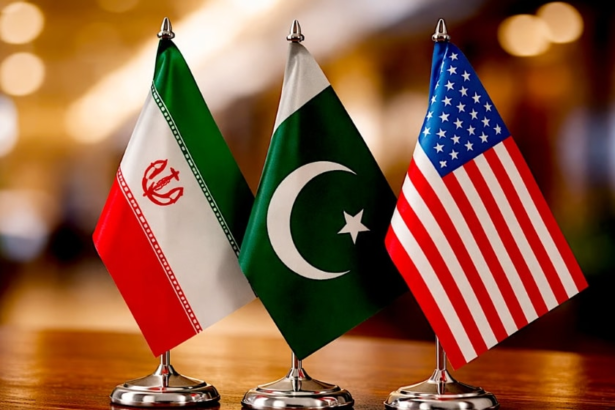
The losses trace directly to the easing of the regional conflict. As reported by Arab News, the price cut followed a retreat in global oil markets after an interim US-Iran deal ended months of fighting and reopened the Strait of Hormuz, the shipping route through which close to a fifth of the world’s petroleum trade passes. Pakistan, which sources around 80 percent of its crude from Gulf markets, was heavily exposed to the earlier price spike and the later fall.
The dispute centers on fuel that companies had already bought at higher wartime prices. The council said the latest reduction relied on a new pricing formula and forced the industry to absorb losses on stocks of about 505,000 metric tonnes of petrol and 655,000 metric tonnes of high-speed diesel. The council described the figure as a direct erosion of working capital, liquidity and shareholder value, and said it stemmed from a policy decision rather than any commercial misstep.
The price changes were large by Pakistani standards. On June 20, the government cut petrol by Rs74 per litre to Rs299.78 and high-speed diesel by Rs67 to Rs311.78, part of a reduction the industry put at 18 to 20 percent. As reported by Dawn, one industry executive said the federal cabinet had approved a pricing mechanism four times in under three months, with the terms shifting against the industry each time. The same account estimated that state-owned Pakistan State Oil alone faced losses of about Rs50 billion, followed by roughly Rs25 billion for Pak-Arab Refinery Company and about Rs30 billion across other firms.
The government has framed the cuts as consumer relief. Prime Minister Shehbaz Sharif, who signed the agreement as a mediator, directed authorities to pass the benefit of falling international prices to the public immediately. During the conflict, petrol had climbed above Rs400 per litre at one stage, adding pressure on households already facing inflation.
Pakistan Oil Industry Warns of Investor Withdrawal Risk
The council linked the pricing dispute to a wider concern about foreign investment. As reported by The Express Tribune, it said Pakistan’s petroleum sector has historically drawn billions of rupees from internationally recognized energy companies into storage infrastructure, logistics networks and retail development, built on the expectation of regulatory consistency. It warned that continued abrupt interventions could lead to investor withdrawal and push weaker participants toward insolvency.
The financial strain predates the latest cut. Oil marketing company margins were last revised in September 2023 and have not changed since, even as operating and compliance costs rose. The council also pointed to outstanding price differential claims of about Rs66.7 billion and rising mandatory stockholding requirements.
The petroleum minister has defended the decision, saying consumers deserved relief after months of elevated costs and crediting the government and military leadership for helping secure the diplomatic resolution that eased oil markets. He has said the government is reviewing its energy security framework, with further measures planned in the coming months. The minister and a spokesperson for the Petroleum Division did not respond to a request for comment on the industry’s claims of inventory losses.
In response to the protest, the minister called an emergency meeting in Islamabad on June 23 with the chief executives of refineries and oil marketing companies. The session is the first formal test of whether the two sides can agree on a more predictable pricing path, with the next scheduled price revision due at the end of June under the country’s new weekly review system.