


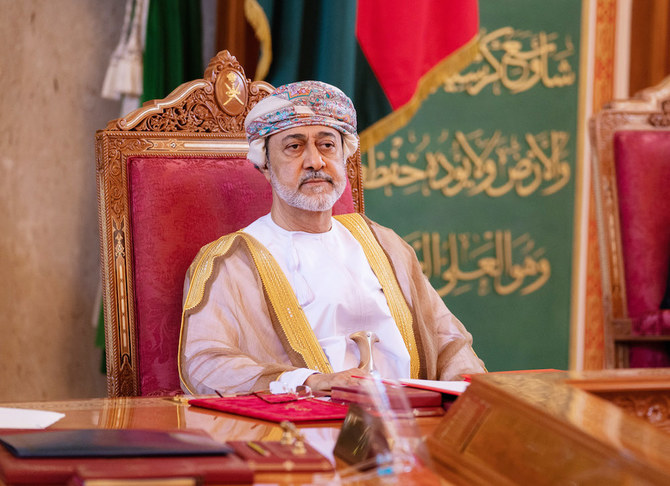
The royal pardon covers Omani citizens and foreign nationals convicted in various cases, granted in consideration of their families.
Oman’s Sultan Haitham bin Tarik has issued a special royal pardon for 459 prisoners to mark the occasion of the Prophet Muhammad’s birthday, freeing inmates convicted in a range of cases.
According to the Oman Observer, the pardon covers both Omani citizens and foreign nationals who had been convicted in various cases. The gesture was granted on the occasion of the Prophet’s Birthday, corresponding to Rabi al-Awwal 1448 AH, and was extended in consideration of the families of those imprisoned.
The Royal Oman Police announced the decision on Tuesday, describing it as an act of compassion in keeping with the significance of the occasion. In his capacity as Supreme Commander, the Sultan directed the release of the inmates, allowing them to return to their families and communities. Authorities framed the pardon as a benevolent gesture reflecting the spirit of mercy and forgiveness associated with the birth of the Prophet.
Oman regularly issues such pardons to coincide with major religious and national occasions, offering relief to prisoners and their families and giving those released the chance to return home and rebuild their lives. The practice reflects a broader custom across the Gulf, where clemency is frequently extended during moments of religious importance as a demonstration of compassion and social solidarity.
The move follows a similar gesture earlier in the year, when the Sultan pardoned 350 prisoners, including foreign nationals, on the occasion of Eid Al Fitr. The scale of the latest pardon, larger than several previous ones, points to the continued emphasis placed on mercy and family welfare during significant dates in the Islamic calendar. On the same occasion in a previous year, the Sultan had pardoned around 175 inmates, illustrating how the numbers vary from one year to the next while the underlying tradition endures.
Such pardons carry particular weight for the families involved, many of whom face financial and emotional hardship during a loved one’s imprisonment. For released inmates, especially expatriates who make up a significant share of the workforce in the Gulf, the reprieve offers a chance to reunite with relatives and, in many cases, to resume employment or return to their home countries.
Eid Milad un Nabi, which commemorates the birth of the Prophet Muhammad, is observed across the Muslim world with prayers, processions, and acts of charity. In Oman, as in much of the region, the day carries deep significance, and gestures such as the royal pardon are widely seen as an expression of the values of compassion, generosity, and care for the vulnerable that are central to the occasion.
The announcement was among several marking the day in the Sultanate, where official events included religious gatherings and recitals of the Prophet’s life story. Taken together, they reflected the reverence with which the occasion is observed in Oman and the tradition of pairing celebration with acts of goodwill toward those in need.


