Zohran Mamdani Says Ramadan Is His Favorite Month of the Year
New York's first Muslim mayor is observing the holy month while running the largest city in the United States, and for over a million Muslim New Yorkers, it means everything.
Feb 19, 2026
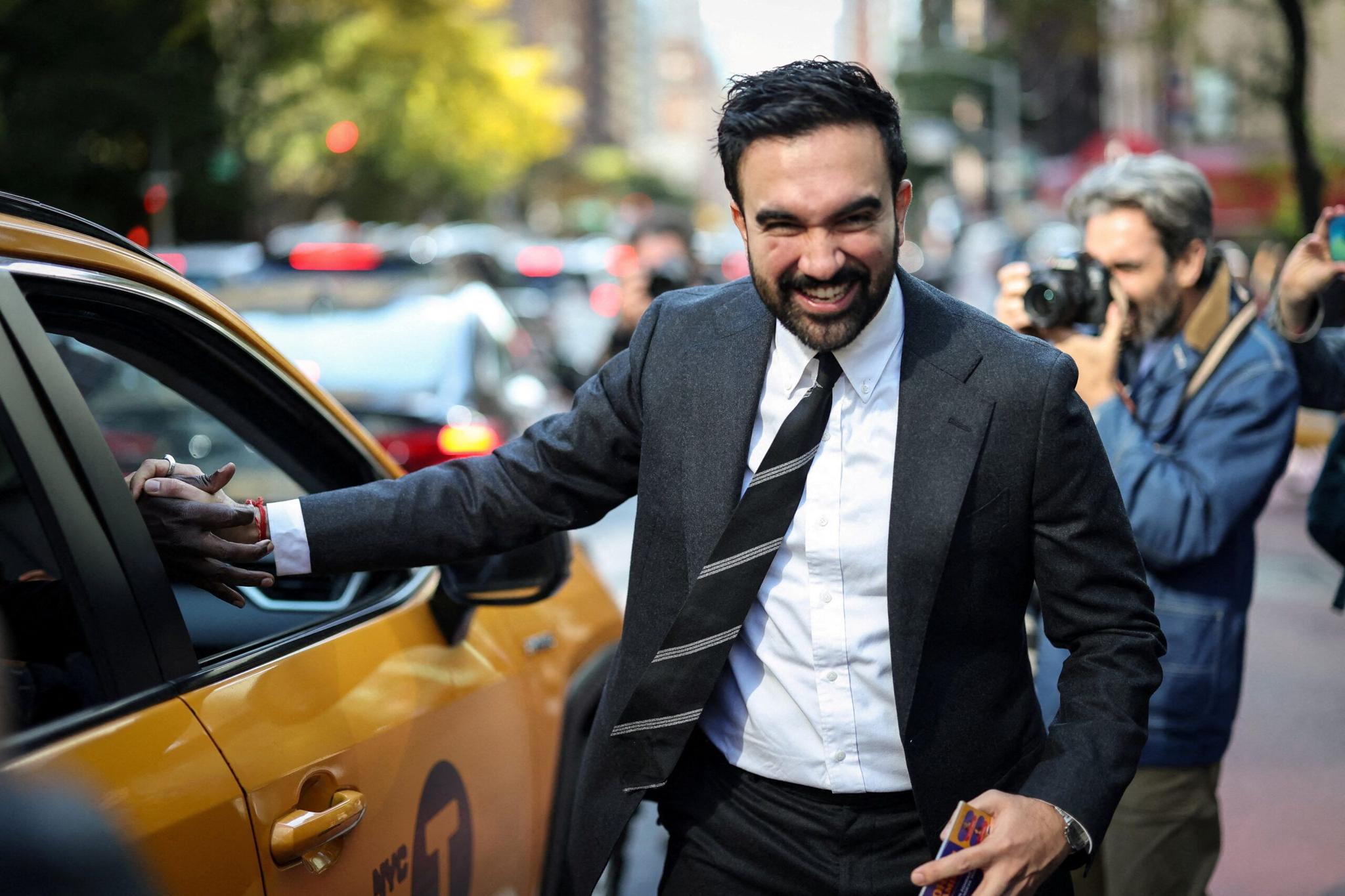
When Zohran Mamdani stepped out to attend a housing event on the morning of February 18, 2026, the first full day of Ramadan, he had already been fasting since before sunrise. When a reporter asked how it felt to be New York City's first Muslim mayor on the first day of the holy month, he smiled and said, "Right now, I feel parched." The crowd laughed. But behind the joke was something quietly historic.
Mamdani, who was sworn in as New York City's 112th mayor on January 1, 2026, is the city's first Muslim mayor, first mayor of South Asian descent, first African-born mayor, and at 34, the youngest person to hold the office in generations.
This Ramadan, which officially began on February 18 following moon sighting confirmations across Saudi Arabia, the UAE, and the United States, is his first as the leader of the city. And it is happening in real time, in between speeches, subway rides, community visits, and the daily demands of running America's largest municipality.
What Ramadan Means to Mamdani and to New York
Born in Kampala, Uganda to filmmaker Mira Nair and academic Mahmood Mamdani, he moved to New York at age seven. He took his mayoral oath just after midnight in the decommissioned City Hall subway station, his hand placed on two Qurans, one belonging to his grandfather. It was the first time a Quran had ever been used in a New York mayoral inauguration.
Mamdani has described Ramadan as his favorite month of the year, and his reasons go well beyond the fast itself.
According to CBS New York, he told reporters on the first day that Ramadan is "a month of reflection" and "a month of solidarity," and pushed back against the idea that it is simply defined by not eating or drinking from sunrise to sunset. What actually carries people through the day, he said, is "a chance to actually reflect." He added that he looks forward to meeting Muslims across the city, whether they are waking before dawn for Suhoor before heading to work, or pausing in the middle of a night shift for a single date to break their fast.
His Ramadan schedule reflects that community-first approach. He is hosting iftar dinners with firefighters, delivery drivers, and other working Muslims throughout the city. His office is supporting meal distribution efforts run by mosques that serve large migrant populations. He is planning targeted outreach to the city's West African, South Asian, and Middle Eastern Muslim communities to showcase the diversity that exists within New York's Muslim population. He is also expected to film Ramadan-related content throughout the month. All of this is happening while he fasts, delivers speeches, attends official events, and governs without food or water until sunset.
His senior aide Zara Rahim pointed out that the late February timing works slightly in his favor. The shorter winter days mean fewer hours of fasting compared to a summer Ramadan. Still, Sheikh Faiyaz Jaffer, executive director of the Islamic Center at New York University, noted that the pressures of the mayoralty add an entirely new dimension to the month.
"There's the physical aspect, but there's also the emotional and spiritual aspect during the month of Ramadan," he said. "In a role like the mayor's, it's another layer of stress."
Why This Ramadan Feels Different for a Million New Yorkers
New York City is home to over one million Muslims, a figure that represents more than 20% of the entire Muslim population of the United States, according to the Institute for Social Policy and Understanding. For decades, that community fasted, prayed, and marked Ramadan largely without any reflection of their faith at the city's highest level of leadership.
Yahaya Abubakar, director of the Islamic Cultural Center of New York on the Upper East Side, which welcomed around 1,000 worshippers on the first day of Ramadan, summed up what many in the community are feeling.
"It is not something that is common to have a Muslim mayor in New York City," he told CBS New York. "That's something very, very, very important for us."
New York City Council Member Yusef Salaam, a practicing Muslim himself, described the spiritual depth of fasting as something that compounds over the years. "The spiritual fast gets deeper and deeper and deeper every single year because you're really focused on making yourself the best version of yourself every single time," he said.
When Mamdani posted a simple "Ramadan Mubarak" greeting on social media on February 18, the response from New York's Muslim community was warm and immediate. For many, it was a moment they had waited a long time for. A mayor who understands what the month means not just in theory, but from lived experience, was speaking directly to them.
Mamdani also took a moment to acknowledge those observing Ash Wednesday.
What Mamdani is bringing to this Ramadan is something that goes beyond politics. It is a sense of shared community, the idea that the holy month belongs to everyone in the city in some way, whether through an iftar dinner with firefighters in the Bronx, a food distribution effort at a mosque in Queens, or simply knowing that the person running City Hall is also setting his alarm before dawn for Suhoor. Previous mayors including Michael Bloomberg and Bill de Blasio recognized Ramadan in their own ways, hosting iftars and closing schools for Eid. But this year feels different. The mayor is not just acknowledging the month. He is living it alongside his city.
For the over one million Muslims fasting across the five boroughs, that shared experience carries real weight. Ramadan has always been about community, about breaking fast together, about showing up for one another. This year, that spirit has found its way into City Hall. The mayor of New York City is fasting too, and for many New Yorkers, that changes everything.