Pakistan’s Evolving Global Standing
Pakistan's strategic location at the crossroads of South Asia, Central Asia, and the Middle East, combined with key initiatives like CPEC and Gwadar Port, has positioned it as an emerging regional power.
Feb 8, 2026
The Islamic Republic of Pakistan is known for its complex geostrategic location, one that has exposed it to persistent challenges since its inception in 1947. These wars have created different hurdles in the path of attaining prosperity. Having fought multiple wars and endured prolonged internal and external pressures, Pakistan’s journey toward stability and prosperity has been far from smooth. Yet an emerging reality suggests a notable transformation, as Pakistan has increasingly overcome these obstacles and is asserting itself as a strong regional power. Today, Pakistan stands at a critical juncture with expanding influence across political, economic and defense domains.
The main factor behind Pakistan emerging as a regional power is its geostrategic and geopolitical importance. It is located at the crossroads of South Asia, Central Asia and the Middle East, providing a vital trade and transit route through China Pakistan Economic Corridor (CPEC) and Gwadar Port. It is connecting the landlocked Central Asian Republics to global markets via its warm waters. Similarly, it is a medium for the emerging China and resurgent Russia to import natural resources from the Middle East and to exploit markets through safe and secure routes. It holds immense importance because of serving as a crucial state in regional security and historically it has also played an intense role in stabilizing the region.
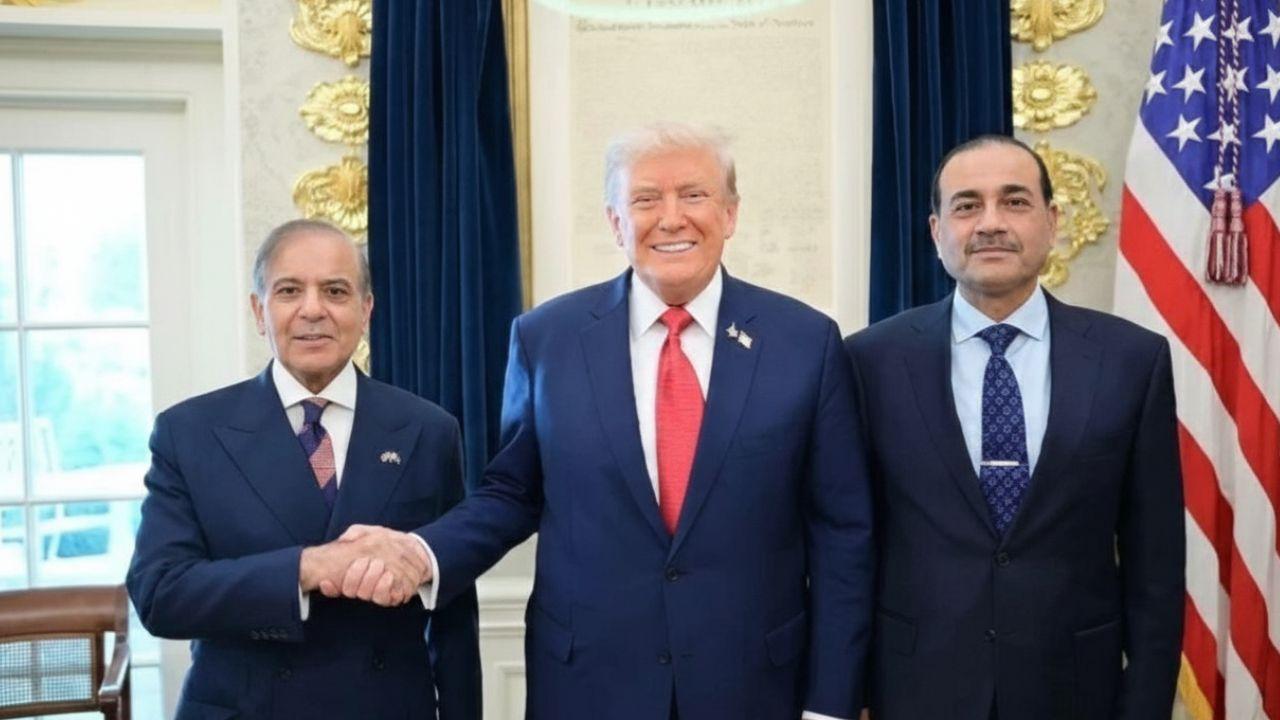
Pakistan has played its role of a strategic partner with the United States for several years, first during the Cold War Era and then during the fight against the Taliban regime in Afghanistan. In the past decade, Pakistan lost its strategic value to the US but soon it recalibrated its interests and enhanced cooperation with the US again. For instance, Pakistan signed a $500 million investment deal in 2025 with two US companies, meant to develop and process the critical rare earth minerals. Furthermore, both states agreed to enhance collaboration in bilateral security and border management, signaling a broader push to deepen defense and law enforcement ties.
While improving ties with the US, Pakistan has not sidelined its all-weather friend - People's Republic of China. Pakistan and China launched CPEC in 2013, which has developed a web of roads and railways across Pakistan, and it is a major source of attracting foreign direct investments in the country, a stepping-stone for industrial growth and manufacturing. Moreover, there is an effective free trade agreement between both nations that has boosted Pakistan's struggling economy. In the defense sector, China is Pakistan's major defense ally as there are high-level defense deals including joint production of JF-17 aircraft, drones and submarines, along with frequent military exercises and training. China’s uneven support helped Pakistan to uplift its role as a regional power.
As a member of Shanghai Cooperation Organization (SCO) and Economic Cooperation Organization (ECO), Pakistan has expanded its influence on the West. It has improved diplomatic ties with Turkey and Azerbaijan to the extent that in the May 2025 conflict with India, both stood shoulder to shoulder with Pakistan, and signed defense and trade deals with Pakistan. Similarly, the improvement in the ties with Iran is observed. There is an increase in the trade volume with the Central Asian Republics (CARs), and the landlocked states are way more interested in exploiting the warm waters of Pakistan. Tensions with Afghanistan are the only oddity that needs to be resolved to further enhance collaboration in the region.
Not only in the West, but Pakistan has also increased its sphere of influence in the Middle East, unlike before. As a regional hegemon, Pakistan has raised its umbrella as a security provider to the Arab countries. Therefore, the foremost state to sign a defense and security deal with Pakistan is none other than the largest oil exporting Arab country, Kingdom of Saudi Arabia. The Strategic Mutual Defense Agreement (SDMA) signed between Pakistan and Saudi Arabia is a joint military intervention against either state as an act against both states, a move that strengthens regional deterrence. Following suit, other Arab nations are also showing keen interest in seeking security and protection from Pakistan’s defense forces.
The main factor that raised the stature of Pakistan regionally, is the May 2025 conflict between India and Pakistan. Pakistan successfully defended India’s aggression and shot down six fighter jets of the Indian Air Force. This defense is praised worldwide and it has increased the demand for defense equipment made in Pakistan in collaboration with China. Resultantly, Pakistan signed multiple defense deals with numerous countries such as Libya, Bangladesh, Azerbaijan and Indonesia.
Pakistan has fought against the menace of terrorism while standing at the frontline. It is the only state that has countered terrorism successfully. Although there is little escalation in terror attacks in the country, security forces just need to put final nails in the coffin to overcome the popping challenge. Pakistan can also share its expertise with states that are dragged in terrorism for decades.
As the world is fighting for the critical minerals and natural resources, Pakistan is a market of rich rare earth minerals. The US and China are interested in exploiting these resources present in Baluchistan and Waziristan. These minerals can give a much-needed push to Pakistan's fragile economy.
In addition, Pakistan’s youth bulge represents a major strategic advantage, as its workforce contributes billions of dollars in remittances through overseas employment. At the same time, this young population holds immense potential to position Pakistan more firmly within the global digital economy, driving innovation, entrepreneurship, and long-term economic growth.
Therefore, it is not a hidden fact that Pakistan is on its way to attain prosperity, and its place has evolved to the regional power.