Zohran Mamdani Honors Islamabad Mosque Attack Victims
New York City Mayor Zohran Mamdani honored victims of the Islamabad mosque bombing during an interfaith gathering, offering condolences and calling for unity across faith communities.
Feb 9, 2026
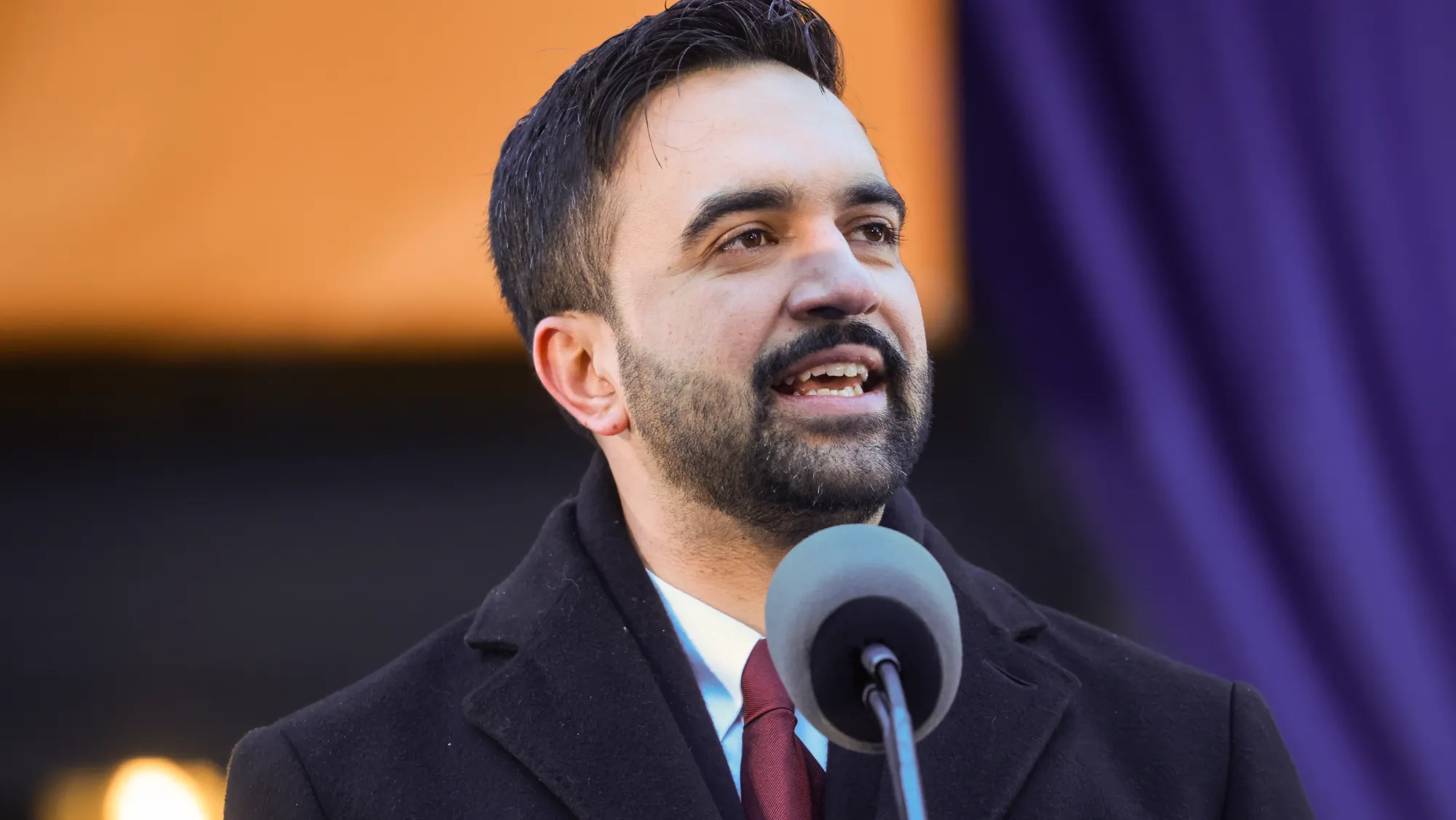
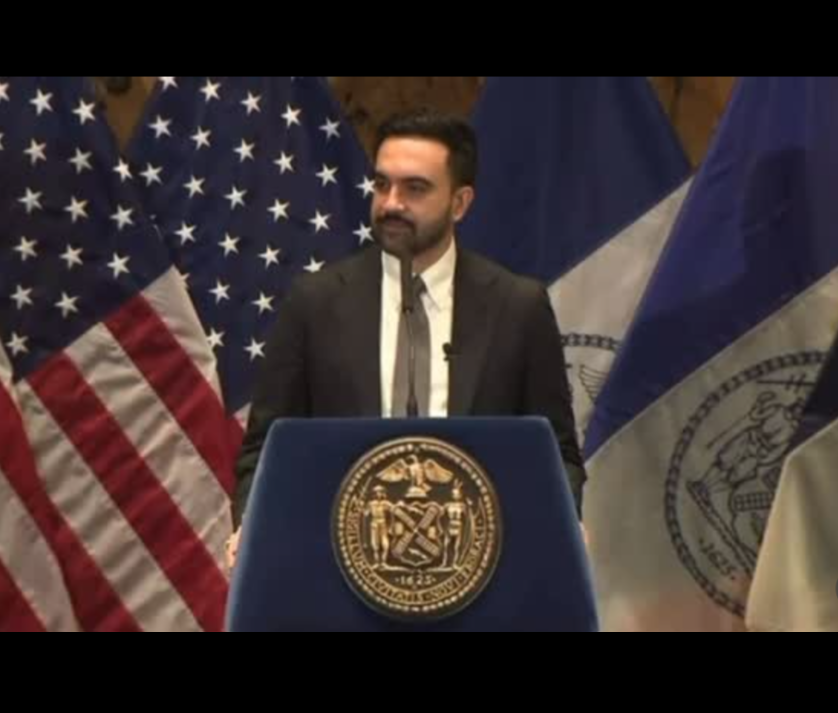
At the close of an interfaith gathering in New York City, Mayor Zohran Mamdani paused to honor the victims of the recent mosque bombing in Islamabad. He observed a moment of silence, shared a short recitation, and offered words of condolence, calling for solidarity after the deadly suicide attack at a Shiʿa mosque on the outskirts of the Pakistani capital on Feb. 6. The mayor’s remarks, delivered at his administration’s inaugural interfaith breakfast, highlighted the global impact of the attack and framed the tragedy as a test of communal resolve against sectarian violence.
The February attack at the Khadija al-Kubra imambargah in the Tarlai Kalan area of Islamabad killed dozens of worshippers and wounded many more, one of the deadliest attacks in the capital in years. Initial reporting placed the death toll at more than 30 with more than 100 injured after the blast during Friday prayers; authorities and international wire services reported that the explosion followed gunfire at the site. The assault was subsequently claimed by a local Islamic State affiliate, and Pakistani investigators made arrests in the days after the attack.
Against that backdrop, Mayor Mamdani, who was sworn in earlier this year and whose inauguration and religious references have previously been widely covered, took time during the interfaith event to honor those killed and to draw a line between religious observance and civic responsibility. Video clips and posts from the breakfast circulated widely on social platforms, showing Mamdani pausing the program to acknowledge the Islamabad victims, recite a brief Qur’anic verse, and offer sympathy to families and communities affected by the bombing.
What Mamdani said and why it resonated
The clips of the event show Mamdani framing the moment as one of interfaith solidarity: he referenced religious texts and traditions (including lines from the Qur’an and, in other parts of the speech, citations from other faith traditions) to stress that cities and religious communities must respond to violence with compassion and collective care rather than revenge or indifference. He expressed sympathy for the victims and emphasized unity across faith communities. The mayor’s invocation of scripture was brief and placed inside a broader policy and moral argument about sanctuary, migration, and the obligations of civic leaders.
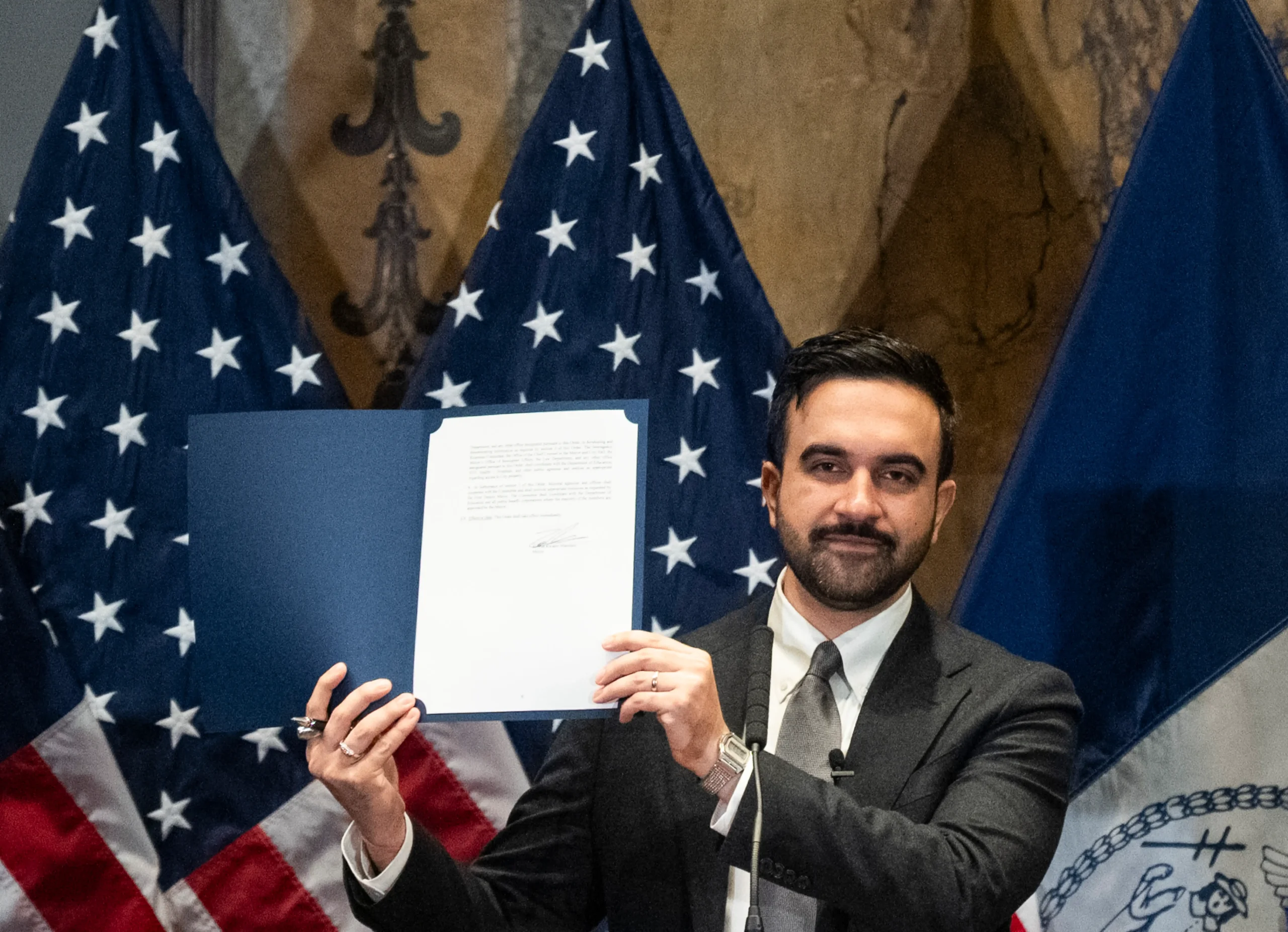
Observers said the gesture mattered for two reasons. First, it was a public recognition by a prominent elected official, a mayor of a major world city, that an attack on a house of worship in Pakistan is not only a foreign tragedy but a human one that calls for global sympathy and action. Second, by using the venue of an interfaith breakfast, Mamdani framed the response not as partisan politics but as a communal moral duty, inviting members of different religious traditions to stand together with the victims’ families.
Reporting on the Islamabad attack and global reactions
International coverage of the Islamabad bombing emphasized the high human toll and the wider security implications for Pakistan. News reports said the attack happened during Friday prayers, listed the number of casualties, and included condemnations from Pakistani leaders. They also noted claims of responsibility by extremist groups and the start of investigative steps and arrests by Pakistani authorities. Those factual accounts formed the basis for international statements of sympathy and condemnation, including the messages that reached diaspora communities and city halls abroad.
Why moments like this matter
When an elected leader pauses in public to honor victims of violence abroad, the act serves multiple functions: it signals empathy to affected communities at home, reaffirms the city’s values of religious freedom and sanctuary, and keeps attention on humanitarian needs such as medical assistance and refugee support. For Pakistani Americans, Muslim New Yorkers and broader interfaith networks, Mamdani’s gesture reinforced the idea that local governance can, and often must, respond to distant tragedies that influence the safety and sense of belonging of diasporic communities.
As Pakistani investigators continue their work into the Islamabad bombing, and as local and international communities mourn, the framing offered by voices like Mayor Mamdani’s helps keep public focus on victims, on humanitarian needs, and on the imperative for cross-faith solidarity.