Will Apple Manufacture iPhones in Pakistan? Framework, Incentives and Key Details
Pakistan is reportedly preparing a new incentive policy that could pave the way for Apple to refurbish and potentially assemble iPhones locally, though no official confirmation has been issued yet.
Feb 20, 2026

Recent media reports from reputable outlets indicate that Apple Inc. is in talks to start refurbishing, and potentially manufacturing, iPhones in Pakistan under a newly drafted Mobile & Electronics Manufacturing Framework. The coverage, based on government and industry sources, says the company has asked for incentives such as discounted land and a performance-based subsidy and that initial activity may focus on refurbishing older iPhones for re-export. These reports are being carried by leading Pakistan and international outlets.
What the reports say:
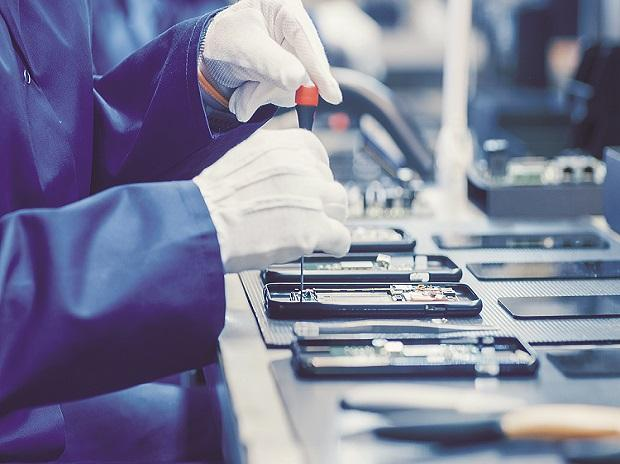
Refurbishment first, assembly later: Multiple outlets report that Apple has shown interest in establishing refurbishment facilities in Pakistan to repair and re-export two- to three-year-old iPhones as an initial stage. This is presented as a lower-risk first step compared with full mass production.
Incentives requested: The draft framework is said to include incentives Apple requested, discounted industrial land and an increase in performance-based incentives up to around 8% (from lower existing rates). Those concessions are intended to make the economics attractive for a company that typically requires long supplier development cycles.
Economic targets: Government sources quoted in reports estimate the refurbishment and re-export activity could generate roughly $100 million in the first year, a headline figure used to justify the offer of incentives. That projection appears in several local business outlets.
Not a public Apple announcement yet: Crucially, Apple has not issued a public confirmation. The story is currently driven by government statements and draft policy documents; formal approvals and a corporate confirmation are still pending. Several reports emphasize that the framework needs final government sign-off.
Why Pakistan is pitching hard
Pakistan, aiming to expand its manufacturing base and export earnings, has for months been revamping its mobile and electronics policy to attract large international manufacturers. Officials see outsourcing refurbishment and assembling as a way to create jobs, bring in foreign investment and boost exports. Similar strategies have worked elsewhere: Apple gradually expanded production in markets such as India and Indonesia by working with local contract manufacturers after policy changes and incentives.
How Apple typically approaches new manufacturing markets
Apple’s global strategy has generally involved a staged approach: building supplier capacity, testing assembly with trusted partners (e.g., Foxconn, Pegatron, Tata), and then scaling up once logistics, legal and tax arrangements are clear. Apple also negotiates safeguards around equipment ownership, tax exposure and customs rules, issues that took years to resolve in India and other markets. Because of that history, an initial focus on refurbishment and re-exports is plausible as a lower-commitment entry point.
Potential benefits for Pakistan
Jobs and skills: Refurbishment and assembly lines create manufacturing and technical jobs, and could accelerate skills transfer in electronics repair and quality control.
Export earnings: The government’s $100 million first-year projection, if realized, would welcome foreign exchange for an export-hungry economy.
Ecosystem growth: Attracting a high-profile partner can encourage ancillary suppliers (parts, testing labs, logistics) to invest locally, an important step toward a longer-term electronics industry.

Practical challenges ahead
Supply chain readiness: Apple relies on a complex, global supplier network; Pakistan currently lacks many upstream component manufacturers and the dense supplier clusters that make large-scale smartphone production efficient. Observers warn incentives alone may not offset this structural gap.
Policy & regulatory certainty: Multinationals value policy stability and predictable tax and customs regimes. Draft incentives may help, but companies often require legal clarity on equipment ownership, tax exposure and dispute resolution, areas that can take months or years to finalize.
No official Apple statement: Until Apple issues a public statement or signs contracts with local partners, the details remain tentative. Readers should treat current reports as developments in progress, not a completed deal.
Key developments to follow
- Formal approval of the Mobile & Electronics Manufacturing Framework by the federal government and any published version of the incentive schedule.
- Public statements from Apple or a named contract manufacturer (e.g., Foxconn, Pegatron, Tata) naming partners, locations and timelines.
- Notifications from Pakistan’s Ministry of Industries, Board of Investment or Special Investment Facilitation Councils detailing land, tax, and customs concessions.
Multiple reliable news outlets report that Pakistan has drafted incentives that could pave the way for Apple Inc. to refurbish, and potentially assemble, iPhones in the country. The plan, focused initially on refurbishment and re-export, aims to jump-start an electronics export hub, with the government estimating early revenues while offering land and performance incentives. Yet the story is not closed: the policy still needs formal sign-off and Apple has not publicly confirmed a final commitment. For Pakistan this is an important opportunity, but one that will require sustained policy clarity, supplier development and time before the first iPhones roll off a local line.