
UAE Government Confirms 4 to 6 Months of Essential Food Stock
The UAE government has confirmed that national food reserves are sufficient to meet domestic demand for 4 to 6 months, with markets fully stocked and monitoring systems in place to ensure supply stability.
Mar 3, 2026
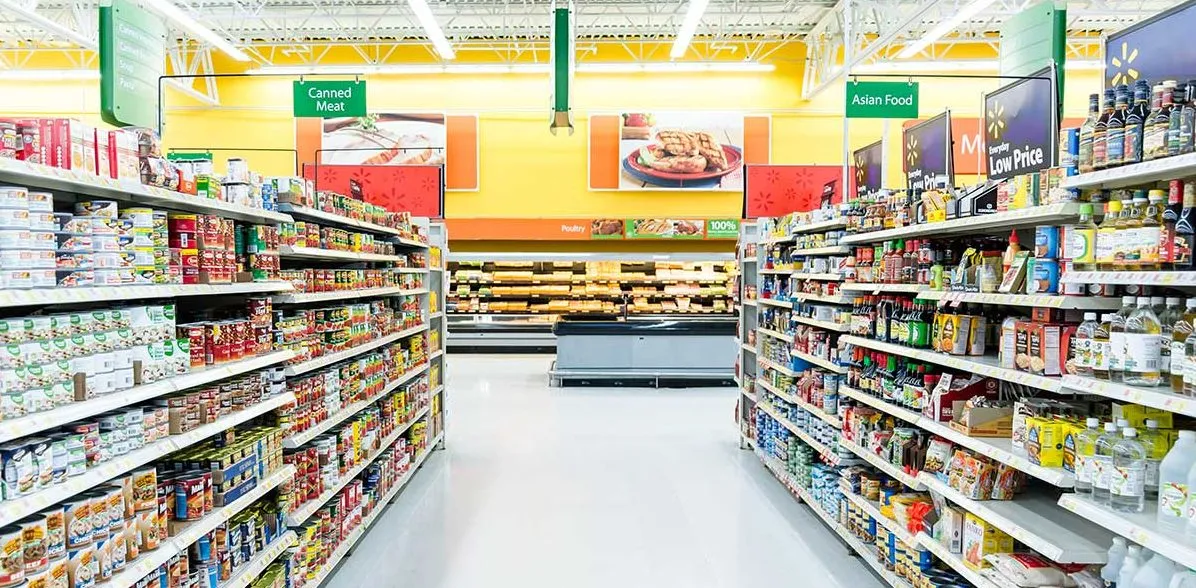
The United Arab Emirates has told the public that its strategic stockpile of essential food and basic goods is sufficient to meet domestic needs for a period of four to six months, authorities said as regional tensions have raised concerns about supply chains. The announcement, confirmed by the Minister of Economy and Tourism and posted by the state news agency, reiterates that markets are being monitored daily and that contingency plans are in place to maintain continuity of supplies.
What the government said
Abdulla bin Touq Al Marri, the UAE’s Minister of Economy and Tourism, told media that the country’s strategic reserves of essential commodities are maintained at levels that would cover domestic needs for roughly four to six months in emergency scenarios. The ministry said there are no current signs of shortages and urged the public not to engage in panic buying. The statement was reported by Gulf News on March 3, 2026.
The state news agency WAM and ministry communications repeated the same assurances, saying that strategic reserves are “available at high and secure levels,” that contingency and response plans are ready, and that stock levels across retail outlets are being monitored with advanced electronic systems to prevent shortages. The ministry explicitly asked consumers to avoid excessive purchasing and stockpiling.
Market monitoring and price controls
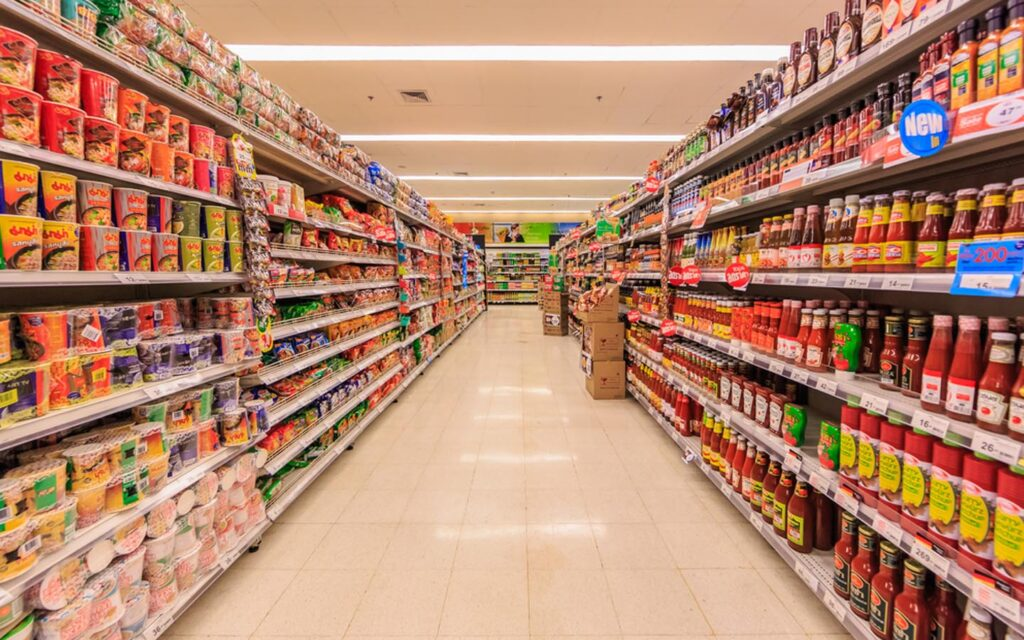
Officials said authorities are monitoring stock and prices “daily” across retail outlets and have launched enforcement measures to guard against price manipulation and hoarding. Reports indicate that the government has undertaken hundreds of market-monitoring measures to ensure price stability and to identify any unlawful conduct by traders that could reduce supply or artificially raise prices. Arabian Business and other regional outlets noted the ministry’s warnings about punitive action for attempts to manipulate prices.
Supply chains, imports and retail availability
The ministry’s statements make clear that imports of essential goods are continuing and that the UAE’s markets remain well supplied. Retailers and supermarkets across the country were reported to have ample quantities of basic food and non-food items. The government’s monitoring systems are reportedly linked to logistics and retail networks, enabling authorities to track inventory levels and respond if particular items show signs of local depletion.
Regional market developments
The announcement regarding food reserves was made during a period of broader market activity in the region. Financial authorities temporarily halted trading on UAE exchanges in early March 2026 as a precautionary measure. According to Reuters, the Abu Dhabi Securities Exchange and the Dubai Financial Market were briefly closed while authorities assessed market conditions. The statement on food reserves was issued around the same time, alongside wider economic monitoring efforts.
What “four to six months” means in practical terms
When officials state that strategic reserves will cover four to six months of domestic needs, they are indicating the capacity of stored essential commodities to sustain normal consumption patterns if imports were to be materially delayed. Strategic reserves typically include staple foodstuffs, such as grains, cooking oil, sugar, and other packaged essentials, as well as municipal contingency stocks of non-food necessities. The UAE’s precise inventory mix and the method for calculating the four- to six-month figure were not detailed in full public disclosure, but the ministry emphasized that contingency plans and rapid logistics routes are in place to restock as required.
Enforcement and consumer guidance
Government communications stressed two parallel lines of action: enforcement and public information. Enforcement measures include market inspections, price monitoring, and legal actions where traders are found to be artificially inflating prices or hoarding goods. Public-information measures comprise repeated advisories not to panic buy and updates about market availability through official channels. These combined steps are intended to preserve supply-chain integrity and consumer confidence without resorting to restrictive emergency rationing.
International trade and logistical considerations
While the UAE maintains strong port, airfreight and logistics networks, disruptions in regional airspace and periodic security incidents can create temporary complications for some import routes. The government’s contingency planning therefore covers alternative shipping and supply routes, and coordination with major importers and retailers to prioritize essential goods. Reports note continued import activity at the time of the ministry’s announcement.
UAE authorities have formally confirmed that strategic reserves of essential food and consumer goods are sufficient to cover domestic needs for four to six months. Markets remain supplied, imports continue through established channels, and regulatory oversight has been intensified to maintain price stability and prevent disruptions. Government entities have stated that monitoring systems and contingency plans remain active to safeguard supply continuity across the country.