
UAE Financial Sector Remains Strong and Resilient, Central Bank Reaffirms
The UAE’s financial sector remains strong and resilient, with banks operating normally and key financial indicators exceeding global regulatory benchmarks, according to the Central Bank.
Mar 6, 2026
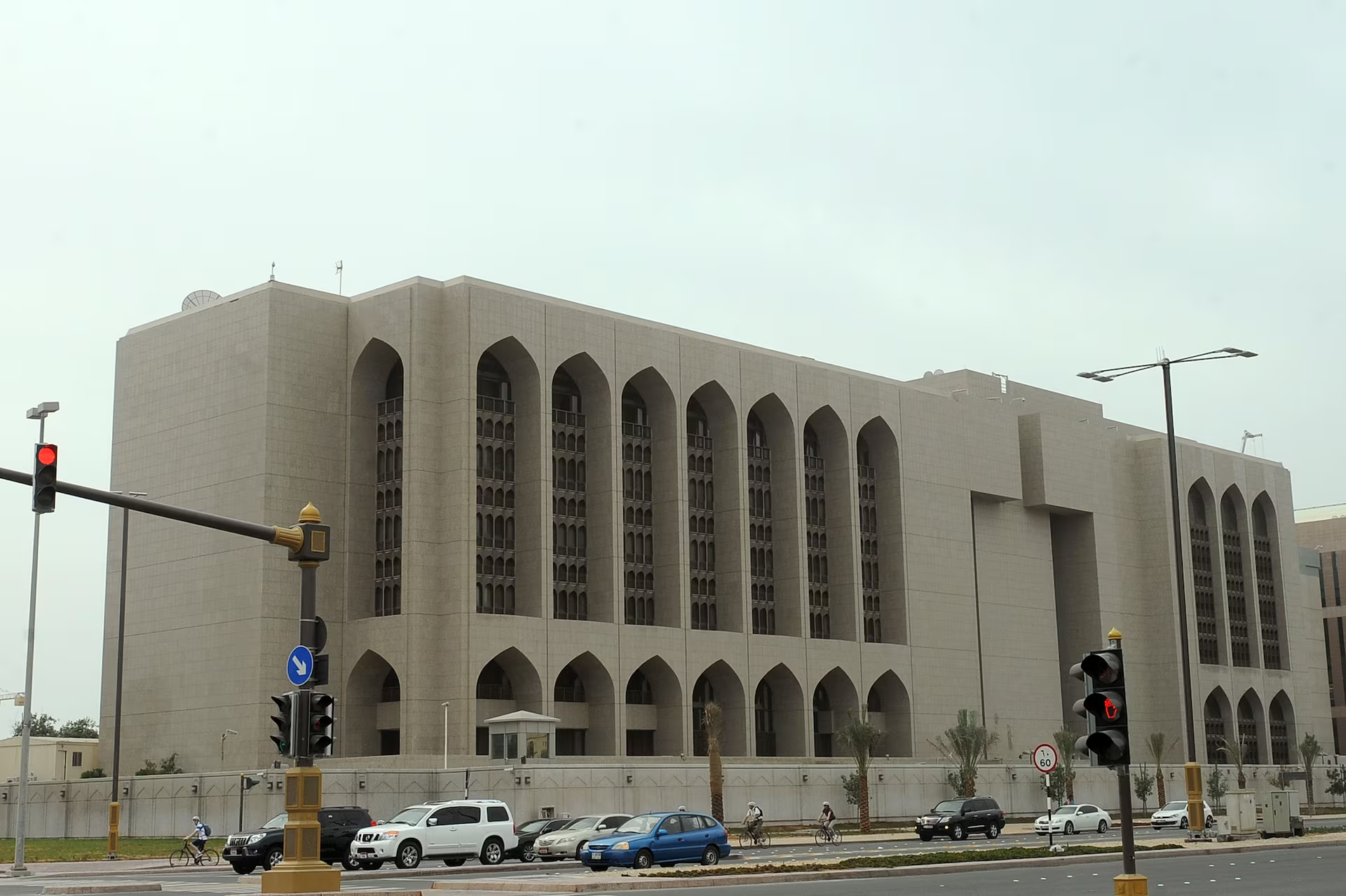
The United Arab Emirates’ financial sector remains strong, resilient and capable of navigating regional challenges, according to the Central Bank of the UAE, which issued a statement reaffirming the stability of the country’s banking system amid recent geopolitical tensions in the Middle East.
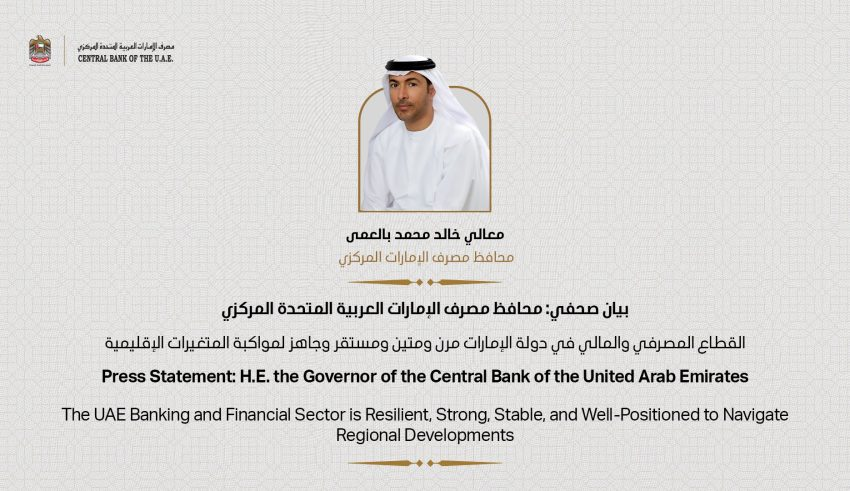
In a statement released on March 5, 2026, Central Bank Governor Khaled Mohamed Balama said the UAE’s banking and financial sector continues to demonstrate high levels of resilience, stability and operational efficiency. The reassurance comes at a time when regional markets have been affected by escalating geopolitical developments and security concerns across the Gulf.
According to the central bank, banks, financial institutions and insurance companies across the country are operating normally and providing services to customers without disruption. Authorities emphasized that the national financial infrastructure, including payment systems and banking services, continues to function efficiently despite external pressures affecting the wider region.
Strong financial indicators
Key financial indicators highlighted by the central bank demonstrate the sector’s strong position. The UAE banking sector’s capital adequacy ratio currently stands at around 17 percent, while the liquidity coverage ratio exceeds 146.6 percent. Both indicators are significantly higher than internationally recommended regulatory thresholds designed to ensure financial stability and protect depositors.
The capital adequacy ratio is an important measure used globally to assess the financial health of banks. It represents the amount of capital banks hold relative to their risk-weighted assets and is intended to ensure that financial institutions can absorb losses during periods of economic stress. Regulators around the world use this metric to safeguard financial systems and maintain depositor confidence.
In addition to strong capital and liquidity levels, the central bank reported that total assets of the UAE banking and financial sector now exceed AED5.42 trillion (approximately $1.48 trillion). This reflects the scale of the country’s financial institutions and their ability to continue supporting economic activity across the UAE.
Response to regional developments
The central bank’s statement comes as the Gulf region experiences heightened geopolitical uncertainty. Recent military developments and security incidents in the wider Middle East have contributed to volatility in financial markets and raised concerns among investors.
In the UAE, stock markets temporarily suspended trading earlier in the week amid regional tensions following retaliatory attacks linked to the broader conflict involving Iran, the United States and Israel. Market activity resumed shortly afterwards, although investor sentiment remained cautious due to the evolving geopolitical situation. Officials noted that despite these developments, the UAE financial system has continued to operate normally. Banks across the country remain fully functional and maintain business continuity frameworks that allow them to manage disruptions and maintain services during periods of uncertainty.
The central bank also stressed that financial institutions in the country follow advanced risk-management practices aligned with international regulatory standards. These frameworks enable banks to identify potential risks early and ensure that financial operations continue without interruption.
Role of the banking sector in economic stability
The UAE banking sector plays a central role in supporting the country’s economic growth and financial stability. Over the past several years, the sector has recorded strong performance supported by economic diversification, rising corporate lending and increased financial activity. Recent data shows that UAE banks have experienced steady growth in assets and profitability, reinforcing their role as a key pillar of the national economy. Strong lending activity and continued investment in the non-oil economy have contributed to the sector’s expansion.
The UAE has also positioned itself as a major financial hub in the Middle East, hosting major financial centers such as Dubai International Financial Centre (DIFC) and Abu Dhabi Global Market (ADGM). These financial zones attract international banks, investment firms and financial service providers, strengthening the country’s role in global finance.
Government policies aimed at promoting innovation in financial technology and digital banking have further enhanced the sector’s competitiveness. Recent initiatives, including digital finance infrastructure and fintech development programs, aim to modernize financial services and improve resilience across the banking ecosystem.
Monitoring financial stability
The central bank said it continues to monitor regional and global developments closely to ensure that the UAE’s financial system remains stable and well-prepared to respond to emerging risks. Officials emphasized that the UAE’s strong regulatory framework, robust capital buffers and high liquidity levels provide financial institutions with the capacity to withstand potential shocks. These safeguards are designed to ensure that banks can continue to meet obligations, support economic activity and maintain confidence among investors and depositors.
The statement also highlighted the importance of maintaining efficient payment systems and financial infrastructure across the country. According to the central bank, these systems continue to operate smoothly, enabling transactions and financial services to function normally across all sectors of the economy.
Confidence in the financial system
By emphasizing strong financial indicators and stable operations, the central bank’s statement aims to reassure investors, businesses and the public that the UAE’s financial system remains resilient despite ongoing regional developments. Authorities say the country’s banking sector continues to benefit from strong regulatory oversight, prudent risk management and substantial financial buffers. Together, these factors help ensure that the UAE remains one of the most stable and reliable financial systems in the region.
As geopolitical conditions evolve, the central bank has reiterated its commitment to maintaining financial stability and ensuring that the country’s banking sector continues to operate efficiently while supporting economic growth.