UAE Central Bank Launches Banking Resilience Package Amid Iran War
The UAE Central Bank has rolled out a five-pillar resilience package to shield the country's Dh5.4 trillion banking sector from the fallout of the ongoing Iran war.
Mar 18, 2026
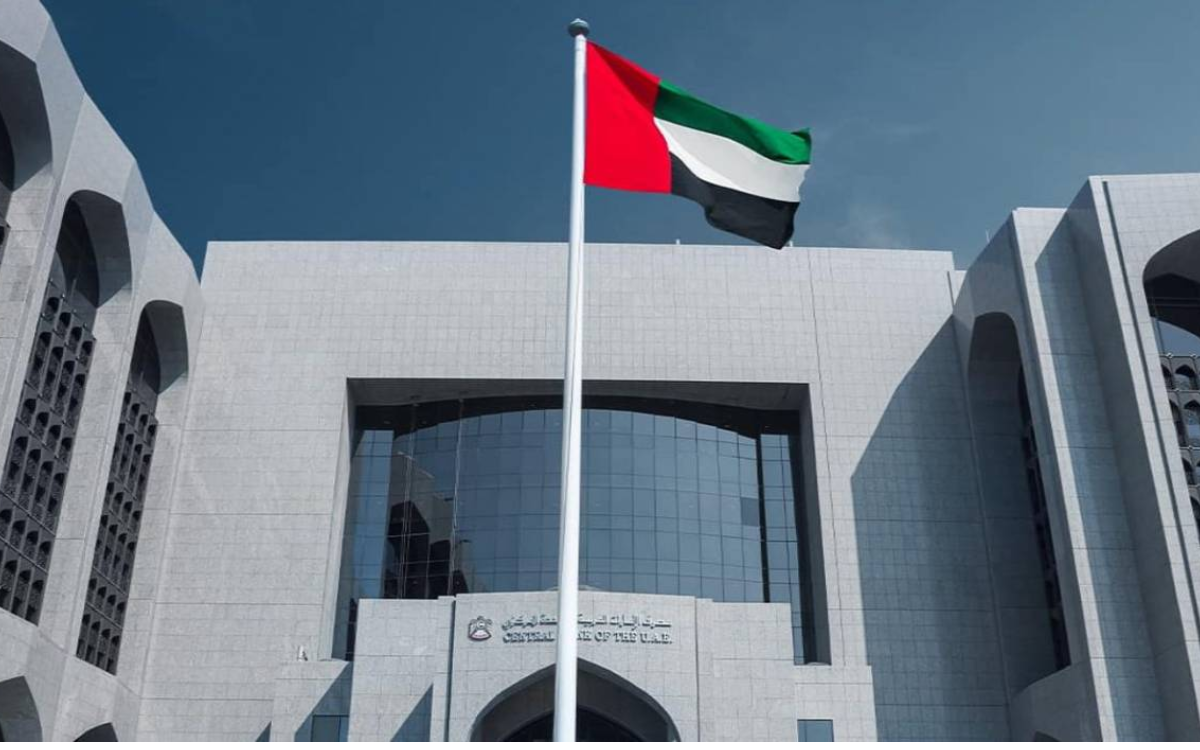
The Central Bank of the UAE has approved a comprehensive banking resilience package to protect the country's financial system as the Middle East war continues to create pressure across the region.
The CBUAE board announced the move on March 18, describing it as a response to "exceptional global and regional circumstances." The package gives lenders access to additional liquidity and the flexibility to draw on capital buffers to keep the UAE economy moving.
The measure is backed by the central bank's foreign exchange reserves, which exceed Dh1 trillion ($270 billion). Regulators also affirmed the underlying strength of the UAE's Dh5.4 trillion banking sector.
Sheikh Mansour bin Zayed, Vice President, Deputy Prime Minister, Chairman of the Presidential Court and Chairman of the CBUAE board, said the central bank's policies have "consistently demonstrated their effectiveness in promoting the resilience and preparedness of the financial and banking sector, while ensuring monetary and financial stability."
What the UAE Central Bank Banking Resilience Package Covers
The package is built around five pillars: monetary policy measures, liquidity and funding relief, capital buffer relief, credit risk management, and additional support measures for lenders.
On liquidity, banks now have enhanced access to reserve balances of up to 30 percent of their cash reserve requirement. Term liquidity facilities are available in both dirhams and US dollars. Temporary relief in liquidity and stable funding ratios gives banks more room to support businesses and individuals.
The capital buffer component includes a temporary release of the Counter-cyclical Capital Buffer, which is a macroprudential tool designed to protect the sector from future losses and keep credit flowing during downturns. The Capital Conservation Buffer, a regulatory requirement for common equity tier 1 capital, has also been relaxed on a temporary basis.
For credit risk, banks have been given the flexibility to postpone the classification of loans for individual and corporate customers directly affected by the crisis. Banks have also been directed to provide the financing services needed to support their customers and the broader national economy.
Daniel Richards, MENA economist at Emirates NBD, noted that the banking system "remains in a position of strength," adding that banks hold nearly Dh920 billion in liquidity at the central bank. Reserve balances alone exceed Dh400 billion, he said, underlining "substantial buffers against market stress."
UAE Central Bank Has Stepped In Before During Regional Crises
This is not the first time the CBUAE has deployed emergency support measures to shield the economy.
In March 2020, at the height of the Covid-19 pandemic, the central bank launched a Dh100 billion economic support scheme. That package provided funding to banks, allowed lenders to defer principal and interest payments for up to six months on loans to private sector and retail borrowers hit by the pandemic, and included Dh50 billion in collateralized loans at zero interest. Releasing capital buffers at the time freed up an additional Dh50 billion in lending capacity across the sector.
The CBUAE said it remains committed to deploying whatever policy tools are necessary to protect financial stability going forward. It also reaffirmed its dedication to maintaining and strengthening the UAE financial sector's contribution to the country's national vision and its competitive standing globally.
The speed and scale of Tuesday's announcement signals that UAE authorities are taking a proactive approach to contain any economic spillover from the conflict, rather than waiting for stress to build in the system before acting.