Trump Praises Pak PM & Field Marshal Asim Munir at Board of Peace Meeting
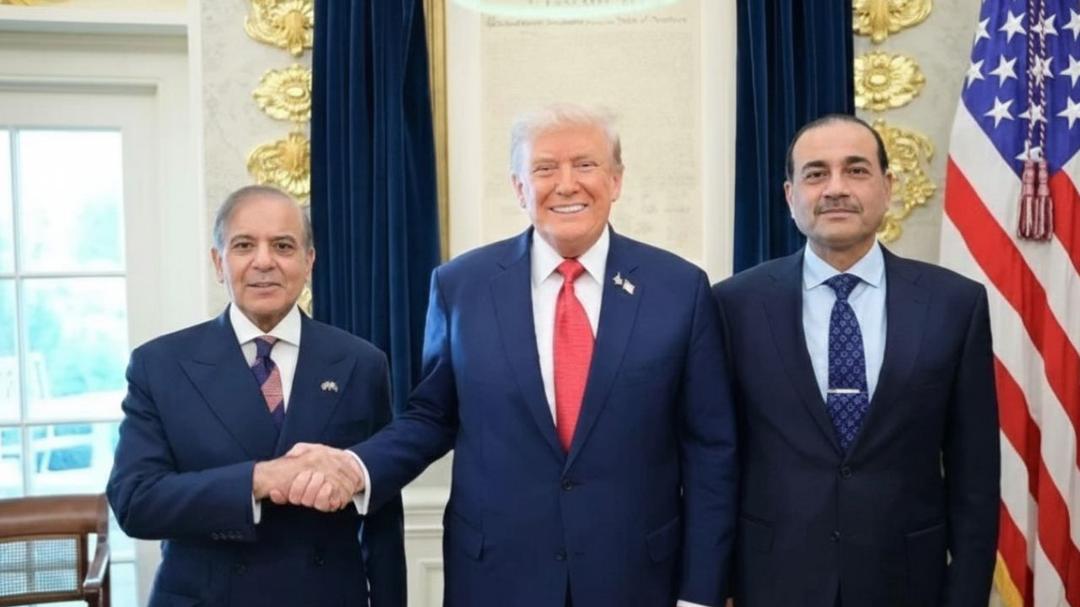
Pakistan's Prime Minister Shehbaz Sharif and Field Marshal Asim Munir received rare public praise from U.S. President Donald Trump at the inaugural Board of Peace meeting in Washington.
Feb 20, 2026
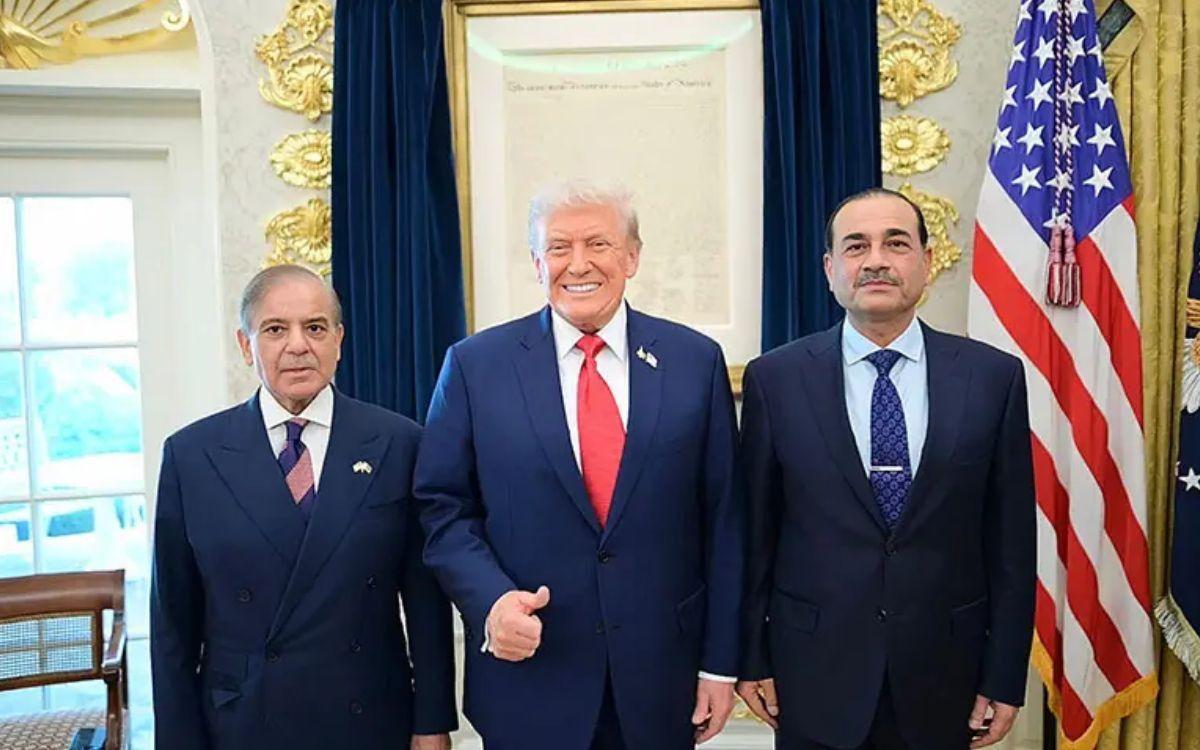
Pakistan made a strong showing on the world stage on February 19, 2026, as Prime Minister Shehbaz Sharif attended the inaugural meeting of U.S. President Donald Trump's Board of Peace in Washington, D.C. What was meant to be a multilateral summit on Gaza reconstruction quickly turned into a moment that had Pakistanis watching closely, as Trump showered praise on both PM Shehbaz and Chief of Defence Forces Field Marshal Syed Asim Munir in front of a room full of global leaders.
The event, held at the U.S. Institute of Peace, brought together leaders from over 20 countries, with Vice President JD Vance and Secretary of State Marco Rubio also in attendance. The summit focused on Gaza's reconstruction, humanitarian aid, and the rollout of Trump's Gaza peace plan, which has already raised over $7 billion in contributions from countries including Saudi Arabia, Qatar, UAE, and Kuwait. The U.S. pledged an additional $10 billion to the effort.
Trump Endorses Shehbaz and Calls Asim Munir a "Tough Fighter"
In a wide-ranging address that touched on peace, trade, and diplomacy, Trump did something he described as new territory for him: endorsing foreign leaders. He singled out PM Shehbaz by name, saying, "I like this man of Pakistan." He recalled their relationship going back to last year's military standoff between Pakistan and India, noting that it was during those tense days that he came to know the Pakistani prime minister.
Trump also spoke directly about Field Marshal Asim Munir, calling him a "great general, great Field Marshal" and a "tough good fighter." He noted, with some candor, that he likes fighters, adding that Munir had impressed him with his professionalism during the crisis. The praise from the U.S. president, delivered publicly and on camera, was significant recognition for Pakistan's military leadership on an international platform.
Trump also revisited the May 2025 conflict between Pakistan and India, during which he claimed he intervened to prevent a catastrophic escalation. He said 11 jets were shot down before the ceasefire, and that he used the threat of 200% trade tariffs to pressure both sides into standing down. According to Dawn, Trump recalled PM Shehbaz crediting him with saving 25 million lives by brokering the ceasefire. Trump said it was "a very big deal, people have no idea," and thanked Shehbaz for publicly acknowledging the U.S. role.
Pakistan's Position on Gaza
PM Shehbaz addressed the summit himself, calling it an honor to be part of Trump's peace initiative and describing the U.S. president as a "man of peace." He called for a permanent ceasefire in Gaza, an end to illegal occupation, and a credible path toward Palestinian self-determination and statehood in line with UN Security Council resolutions.
Pakistan's position on Gaza, however, comes with a specific condition. According to Reuters, Islamabad is willing to discuss contributing to an International Stabilization Force (ISF) for Gaza, but only if the mission is a peacekeeping operation. Pakistan has made clear it will not participate if the ISF is tasked with disarming Hamas. The government is seeking firm assurances from Washington before committing any troops.
Accompanying PM Shehbaz on the trip were Deputy Prime Minister and Foreign Minister Ishaq Dar, Finance Minister Muhammad Aurangzeb, Information Minister Attaullah Tarar, and Special Assistant Tariq Fatemi. High-level bilateral meetings with senior U.S. officials are also expected during the visit.
What This Means for Pakistan
The Washington visit marks a notable moment in Pakistan's foreign policy, coming less than a year after the country emerged from a military conflict with India. Being included as a founding member of Trump's Board of Peace signals that Pakistan is being recognized as a key player in regional stability, not just a country managing crises.
Trump's warm words, capped off by a hug he gave PM Shehbaz on the sidelines, reflect a relationship that has clearly grown through the chaos of last year's conflict. For Pakistan, the optics are significant. A sitting U.S. president calling your prime minister someone he "likes" and describing your field marshal as a great fighter is exactly the kind of international visibility that the government will want to amplify at home.
The Board of Peace's long-term success remains to be seen. Critics have already noted that the summit excluded Palestinian representatives, raising questions about whose interests the board actually serves. But for Pakistan, the immediate takeaway from Washington is clear: after a bruising 2025, the country is back at the table, and its leadership is being noticed.