Saudi Arabia Targets 10% GDP from Tourism as Visitor Goals Hit 150 Million
Saudi Arabia is accelerating its tourism expansion under Vision 2030, aiming to double the sector’s share of GDP and significantly increase annual visitor numbers over the next decade.
Feb 10, 2026
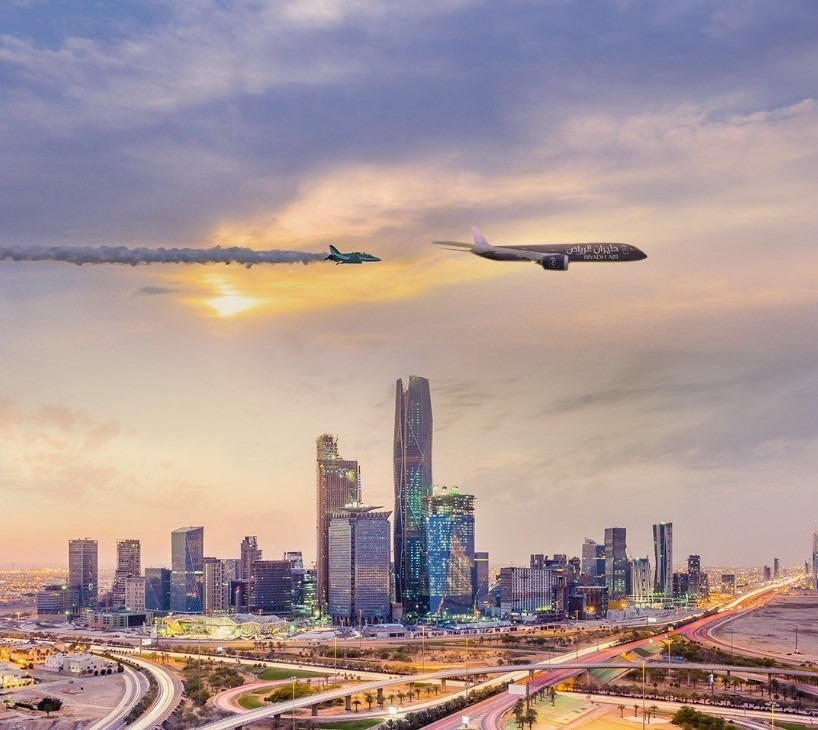
Saudi Arabia’s tourism sector reaching around 5% of GDP is an important economic marker, but the bigger story in 2026 is not where the industry stands today. It is where Saudi Arabia is aiming to take tourism next.
Under the national transformation plan known as Saudi Vision 2030, tourism is being positioned as one of the country’s most important long-term economic pillars. The focus has shifted from early growth milestones to much larger structural targets that could reshape the Saudi economy over the next decade.
Raising Tourism’s Share of GDP
While tourism now contributes about 5% to GDP, Saudi policymakers are working toward a far more ambitious benchmark: raising tourism’s share of GDP to around 10% by 2030.
This would effectively double the sector’s economic weight within a few years, transforming tourism from an emerging industry into a central driver of non-oil growth. The target reflects a broader strategy to diversify national income sources, reduce reliance on hydrocarbons, and build a more service-oriented economy.
Tourism is seen not only as a revenue stream, but also as a catalyst for investment, entrepreneurship, and job creation across multiple sectors.
Visitor Targets: Scaling Up to 150 Million Trips
Another major national objective is increasing total annual visitor numbers to around 150 million by 2030.
This figure includes:
- International leisure tourists
- Religious pilgrims (Hajj and Umrah)
- Domestic tourism within the kingdom
The emphasis is not just on volume, but also on diversifying the visitor mix. Saudi Arabia is actively working to attract travelers interested in culture, heritage, entertainment, nature, luxury travel, and business events, broadening its appeal beyond traditional religious tourism.
Increasing international arrivals is especially important because foreign visitor spending represents an inflow of money into the economy, similar to exports in other industries.
Expanding Tourism Infrastructure Nationwide
To support higher visitor numbers and longer stays, Saudi Arabia is investing heavily in tourism infrastructure and destination development.
- Mega-destinations and Flagship Projects
Several large-scale projects are central to the country’s tourism ambitions:
- NEOM - A planned high-tech region in northwest Saudi Arabia designed to include luxury tourism, nature reserves, and future-focused urban spaces
- The Red Sea Project - A major coastal development focused on sustainable, high-end beach and island tourism
- AlUla - A historic desert region being developed as a global cultural and heritage tourism destination
These developments are designed to attract higher-spending international travelers, extend average length of stay, and position Saudi Arabia as a premium global destination.
- Transport and Connectivity
Airports are being expanded, new flight routes are being added, and domestic transport links are improving. Better connectivity is essential if the country is to handle tens of millions of additional visitors each year.
Jobs and Workforce Development
Tourism growth is also tied to employment targets. Saudi authorities expect the sector to support well over a million jobs, with further increases as new destinations open and visitor flows expand.
The aim is not only to create positions in hotels and airlines, but also to develop careers in:
- Event management
- Cultural programming
- Tour operations
- Food and beverage
- Heritage conservation
Training and education programs are being expanded to prepare Saudi nationals for roles in hospitality and tourism services, aligning workforce development with economic diversification.
Strengthening Year-Round Tourism
Another major goal is to reduce seasonality and encourage tourism throughout the year.
Saudi Arabia has been expanding its calendar of:
- Cultural festivals
- International sporting events
- Entertainment seasons
- Business conferences and exhibitions
By spreading visitor demand across different months and regions, authorities aim to increase hotel occupancy rates, stabilize revenue, and create more consistent employment opportunities.
Boosting Private Sector and Foreign Investment
Tourism is also central to Saudi Arabia’s strategy to attract private and international investment.
Hotels, resorts, restaurants, entertainment venues, and travel services all offer opportunities for domestic and foreign investors. By creating a business-friendly regulatory environment and large-scale development zones, the government aims to stimulate long-term private sector participation in tourism.
A larger tourism industry also supports small and medium-sized businesses, from local tour guides to cultural artisans and food entrepreneurs.
Sustainability as a Long-Term Consideration
As Saudi Arabia expands its tourism footprint, sustainability is becoming an increasingly important theme. Many new developments emphasize:
- Environmental protection
- Renewable energy use
- Marine and desert ecosystem preservation
Balancing rapid expansion with environmental responsibility will be critical to ensuring that tourism growth remains viable in the long term.
The Bigger Picture
Saudi Arabia’s tourism story in 2026 is less about having reached 5% of GDP and more about building toward a future where tourism plays a central economic role.
With targets of 10% GDP contribution, around 150 million annual visitors, and millions of jobs linked to travel and hospitality, the sector is being positioned as one of the kingdom’s most important engines of non-oil growth.
Whether these ambitions are fully realized will depend on global travel trends, investment flows, and execution on the ground, but the direction is clear: tourism is moving from a supporting sector to a core pillar of Saudi Arabia’s economic future.