Saudi Arabia and Pakistan Advance Strategic Economic Pact to Boost Investment and Trade
Saudi Arabia and Pakistan are advancing a strategic economic pact aimed at expanding investment, energy cooperation, and trade ties following recent high-level defense and economic engagements.
Feb 18, 2026
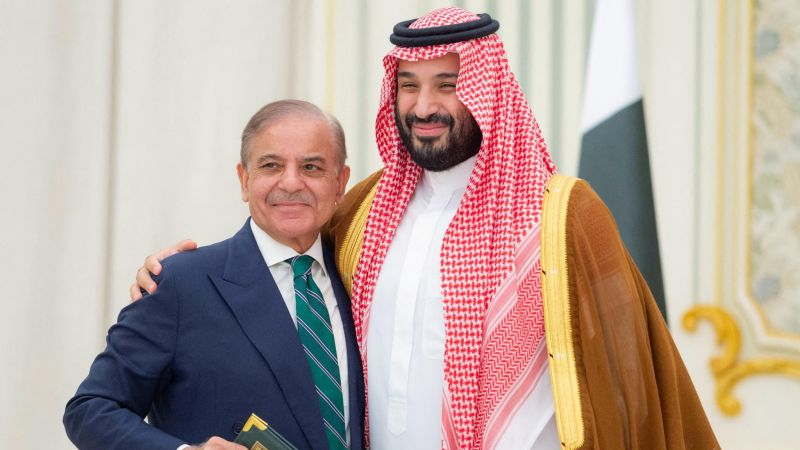
Following a series of high-level meetings, Saudi and Pakistani officials confirmed that talks were moving forward on a comprehensive economic agreement. The announcement follows a string of high-level visits and a defense agreement signed in late 2025; together, these moves mark a rapid deepening of ties that extend well beyond traditional diplomatic friendship into defense, trade and long-term investment cooperation.
What has already been agreed
In October 2025, the two countries publicly launched an Economic Cooperation Framework intended to create a structured pathway for bilateral projects and increased private-sector investment in areas such as energy, industry, mining, information technology, tourism, agriculture and food security. That framework was issued jointly by the two governments and reported by major outlets and official press agencies.
Separately, in September 2025 Riyadh and Islamabad concluded a Strategic Mutual Defense Agreement, a political milestone that analysts say has helped catalyze talks on complementary economic arrangements by raising the strategic priority of the relationship. Reuters and other international outlets covered the defenses pact and its implications for subsequent economic visits and investment discussions.
What the new “strategic economic pact” aims to do
Officials have described the forthcoming pact as going beyond memorandums of understanding: rather than one-off loans or symbolic gestures, the agreement is intended to institutionalize long-term cooperation and unlock large-scale private and public investment into Pakistan. Expected focus areas include:
- Energy and infrastructure: joint projects, possible electricity interconnection and upstream energy investment.
- Industry and mining: joint ventures to develop resource and manufacturing capacity.
- Trade facilitation and market access: measures to boost bilateral trade and simplify cross-border commerce.
- Private sector channels: platforms such as the recently announced “Saudi-Pakistan Bridge Initiative” to accelerate B2B links and private investment flows.
Saudi officials have publicly signaled that the pact would be signed “soon”, and Pakistani leaders have framed the relationship as a move from concessional assistance toward strategic investment and sustainable commercial partnerships.
Why this matters for Pakistan
Pakistan faces persistent balance-of-payments pressures and needs capital for energy, industry and infrastructure. A strategic partner willing to mobilize long-term capital and private investment, rather than short-term loans, could help stabilize external accounts and finance productivity-raising projects. Observers note that Saudi investment would not only bring capital but also market access, technical partnerships and potential energy-sector collaboration aligned with regional value chains.
Beyond economics, closer Saudi ties may provide Pakistan with geopolitical ballast at a time regional security alignments are shifting, a dynamic that helps explain why the defense pact and economic talks have proceeded in tandem.
Saudi Arabia’s Strategic and Economic Interests
For the Kingdom, deeper economic links with Pakistan support several objectives:
- Diversifying foreign investment relationships beyond traditional Western partners;
- Economic diplomacy aligned with Vision 2030, by fostering regional projects and securing supply-chain resilience; and
- Strengthening political and security partnerships in a volatile neighborhood. Analysts point out that Riyadh has recently taken a more proactive posture in pairing security arrangements with long-term economic engagement.
Risks and challenges
Large strategic pacts carry risks that both capitals will need to manage:
- Implementation risk: MoUs and frameworks are only the first step; converting promises into bankable projects requires clear governance, transparency, and enforceable agreements.
- Economic conditionality: Saudi investors will likely seek policy stability, regulatory clarity, and profitable returns, which could press Pakistan to accelerate reforms that are politically sensitive.
- Geopolitical balancing: Deeper Saudi-Pakistan ties may raise concerns among other regional powers and external partners; Islamabad will need to balance multiple strategic relationships.
Short-Term Policy Benchmarks
If you are tracking this story, watch for these concrete developments that will indicate progress from rhetoric to delivery:
- Formal signing of the strategic economic pact (date, signatories, and text).
- Project pipelines: announcements of specific flagship projects (energy plants, mining concessions, industrial parks).
- Investment vehicles: creation of joint funds, credit lines or sovereign facilities that show capital commitment beyond one-off grants.
- Private sector activation: roll-out of platforms like the Saudi-Pakistan Bridge Initiative to facilitate B2B deals.
The coming strategic economic pact between Saudi Arabia and Pakistan represents an important pivot: pairing a recent defense agreement with concrete economic architecture aimed at long-term investment and trade. If implemented transparently and anchored in bankable projects, it could deliver significant benefits to Pakistan’s economy and advance Saudi Arabia’s regional economic objectives. Yet success will depend on how quickly both sides convert headline commitments into enforceable contracts, project financing, and accountable governance. For now, the world will be watching the signing, the early project announcements, and whether private capital follows the diplomatic fanfare.