Pakistan Steps Up as Mediator in US-Iran War
Pakistan is quietly positioning itself as the key diplomatic bridge between Washington and Tehran as the US-Israel war on Iran enters its fourth week.
Mar 24, 2026
Pakistan is making its most ambitious diplomatic play in years. As the US-Israel war on Iran grinds into its fourth week, Islamabad has emerged as the lead back-channel between two sides that won't talk directly to each other.
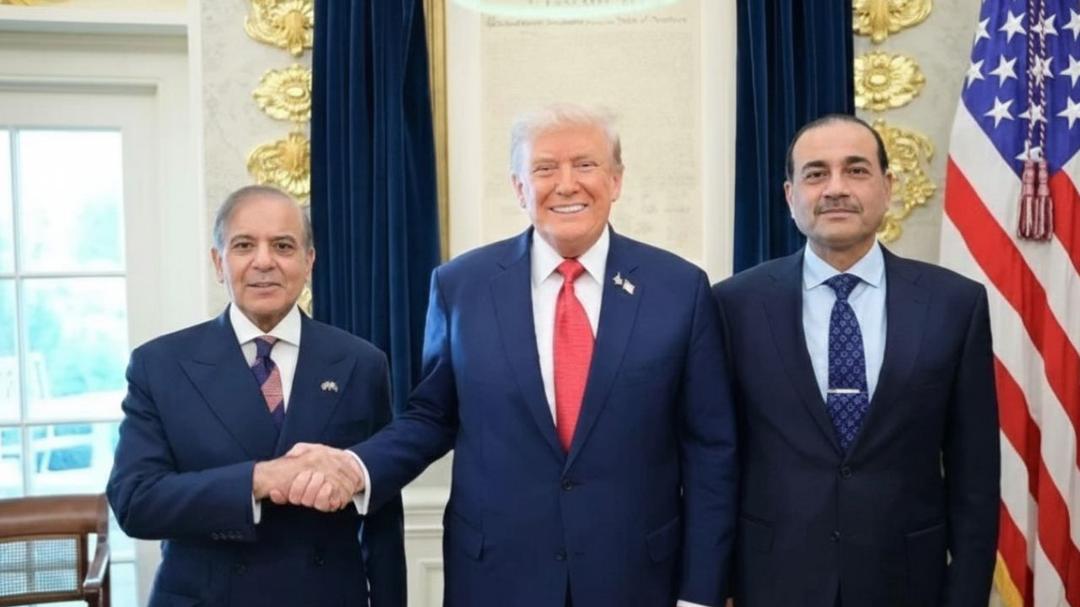
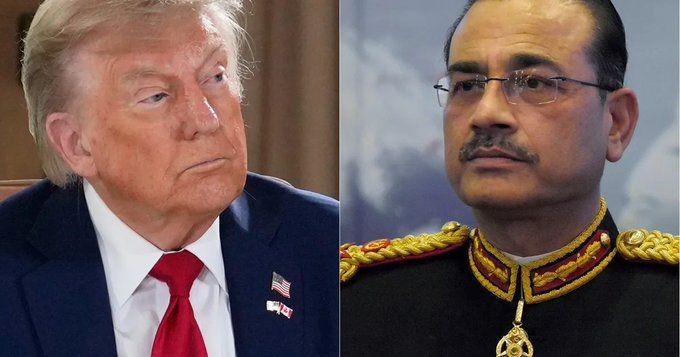
Army chief Field Marshal Asim Munir spoke with US President Donald Trump on Sunday, while Prime Minister Shehbaz Sharif held talks with Iranian President Masoud Pezeshkian on Monday. The back-to-back calls were no coincidence. Senior Pakistani officials were back-channelling communications between Tehran and Trump's envoys Steve Witkoff and Jared Kushner, according to two people briefed on the matter.
The immediate result was tangible. Trump announced a five-day postponement of planned major strikes against Iranian power plants, citing "very good and productive" conversations with Tehran. Oil prices dropped on the news. Whether Pakistan's mediation and Trump's announcement were directly linked remains unclear, but the timing wasn't lost on anyone.
How Pakistan's Mediator Position Between the US and Iran Works
Why Pakistan? The answer lies in a rare combination of access and trust.
Pakistan does not host any American military bases, making it one of the few US allies in the region spared from Tehran's missiles and drones. That neutrality matters enormously right now. Iran has publicly warned Muslim-majority countries against allowing the US to use their territory for attacks. Pakistan sidesteps that pressure entirely.
A senior Pakistani diplomat, speaking anonymously, described Islamabad's approach as "deliberately quiet but calculated." Pakistan is not trying to replace traditional mediators like Oman or Qatar, the diplomat said, but is positioning itself as a bridge at a moment when trust deficits are high and communication channels are fragmented.
The diplomat put it plainly: "What makes Pakistan relevant here is access. Washington listens to Rawalpindi, and Tehran does not see Islamabad as hostile. That combination is rare in this conflict."
There is also the personal dimension. Sharif and army chief Munir were both in Riyadh earlier this month and met Crown Prince Mohammed bin Salman. At the same time, Islamabad condemned the killing of Iran's Supreme Leader Ali Khamenei and sent congratulations to his son and successor, Mojtaba. Pakistan managed to stay on speaking terms with everyone.
Islamabad Peace Summit Talks on US-Iran War Gain Momentum
The diplomatic activity is now pointing toward something bigger.
Reports suggest Islamabad may host a summit later this week, potentially bringing together the US Vice President and the Speaker of the Iranian Parliament for truce talks. Israeli official sources told Axios that Vice President JD Vance may attend alongside White House Special Envoys Steve Witkoff and Jared Kushner, with Iranian Parliament Speaker Mohammad Bagher Ghalibaf on the other side of the table.
Pakistan's foreign ministry confirmed readiness to host. Sharif wrote on X that Pakistan "stands ready and honoured to be the host to facilitate meaningful and conclusive talks for a comprehensive settlement of the ongoing conflict."
But hurdles remain. A US delegation was expected in Pakistan "in a day or two," but Iran was "still not ready" due to mistrust, Pakistani Foreign Ministry sources told Anadolu Agency. Tehran has officially dismissed reports of imminent talks as "psychological warfare" intended to manipulate oil prices.
The gap between Washington and Tehran is still wide. Trump claimed Iran is open to major concessions, including limiting nuclear activity and reopening the Strait of Hormuz, through which roughly a fifth of global oil passes. Tehran has rejected these claims outright.
The broader regional picture adds urgency. The head of the International Energy Agency has warned that the disruption already exceeds the combined oil crises of 1973 and 1979. For UAE residents, that context is immediate. The Gulf's economic stability, energy flows, and daily life all hang on what happens next in a conflict now in its second month.
Pakistan's play is high-risk, high-reward. If Islamabad succeeds in getting both sides to the table, it cements itself as an indispensable regional power. If talks collapse, it risks being seen as the country that raised hopes and couldn't deliver.
For now, the phones keep ringing between Islamabad, Washington, and Tehran. That, at least, is more than most countries can say.