
Pakistan's Kinnow and Basmati Rice Exports Hit Record Numbers
Pakistan climbs to third place in global rice exports while kinnow shipments earn $40 million in 45 days despite Afghan border closure.
Feb 13, 2026
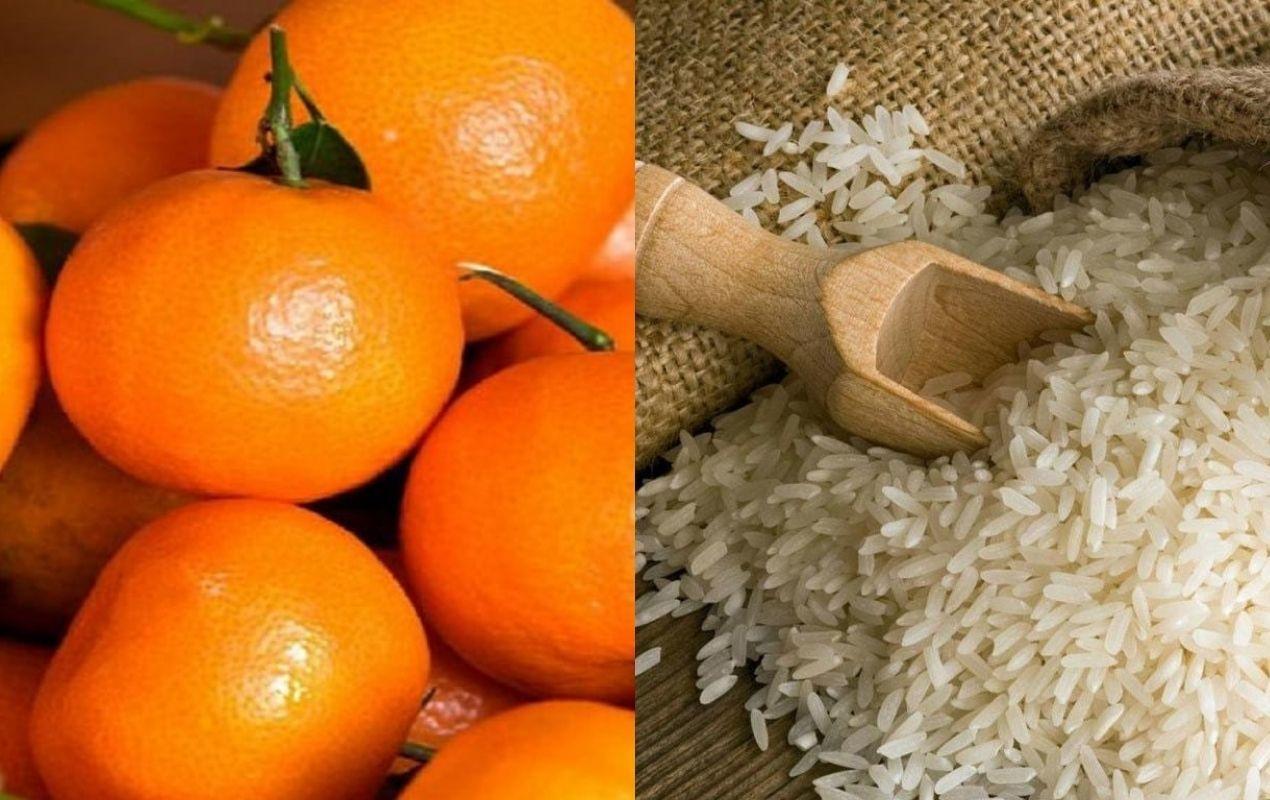
Pakistan exported 489,000 tonnes of rice in December 2025, ranking third globally behind India and Thailand, while kinnow exports brought in $40 million during December and the first half of January 2026.
According to Gulf News, Pakistan exported 489,000 tonnes of rice in December 2025, compared to Vietnam's 387,000 tonnes. The country ranked third globally for the month, behind India and Thailand.
Basmati shipments rose over 50 percent month-on-month in December. The UAE imported 74,897 tonnes of Pakistani rice in December, including 16,850 tonnes of Basmati. China purchased 74,685 tonnes.
Other major markets included Tanzania (62,900 tonnes), Kenya (60,300 tonnes), Ivory Coast (41,700 tonnes), Guinea-Bissau (31,850 tonnes), Malaysia (23,930 tonnes), Madagascar (17,800 tonnes), Kazakhstan (17,050 tonnes), and Saudi Arabia (16,032 tonnes, including 5,350 tonnes of Basmati). The European Union and UK combined purchased 21,100 tonnes, including 15,600 tonnes of Basmati.
Central Asia Market Expansion
Kazakhstan imported over 17,000 tonnes of Pakistani rice in December, including 10,300 tonnes of Basmati, while Uzbekistan purchased 10,382 tonnes.
According to Dawn, Pakistan now exports directly to Kazakhstan, Uzbekistan, Azerbaijan, Turkmenistan, Tajikistan, and Kyrgyzstan instead of routing shipments through Afghanistan.
Exports to Iraq remain minimal. Shipments to Turkey are also low. According to Dawn, rice analyst Hamid Malik cited intense global competition, higher global output particularly from India, weak demand in some markets, rising freight and logistics costs, inconsistent policies, and border security disruptions as challenges.
Demand from Bangladesh remains strong despite high freight costs. A 50 percent US tariff on Indian rice has benefited Pakistan, with shipments to the United States increasing. In Iran, foreign exchange shortages have forced importers to use their own funds, which has favored Pakistan due to proximity, according to Dawn.
Kinnow Exports Earn $40 Million in 45 Days
The Ministry of Commerce announced that Pakistan earned approximately $40 million from kinnow exports within 45 days, covering December 2025 and the first half of January 2026.
The Afghan market, a major destination for Pakistani citrus, has been closed since late 2025 due to border shutdowns following security tensions. Before the closure, bilateral trade between Pakistan and Afghanistan exceeded $1.6 billion annually, with overland routes used for exporting perishables like kinnow.
According to Arab News, exporters redirected shipments to the Gulf and Southeast Asia after losing the Afghan route. The Ministry of Commerce stated that priority was given to expanding access to markets in the Middle East, Southeast Asia, and other non-traditional destinations while ensuring compliance with international quality and phytosanitary standards.
Exporters set a target of 300,000 tonnes for the current season, expected to generate $110 million in foreign exchange. Last year's exports totaled 250,000 tonnes and earned $95 million. Total kinnow production is projected to reach 2.7 million tonnes this year, up from 1.7 million tonnes last season.
Iranian Route Challenges
With the Afghan corridor closed, exporters now use the Iranian route. According to Dawn, growers say the journey through Iran is too long for a perishable fruit, and freight rates have doubled at the start of the season.
The All Pakistan Fruit and Vegetable Exporters, Importers and Merchants Association has presented proposals to the government, estimating that kinnow exports could rise to $400 million within five years if new varieties are adopted and reforms are implemented.
Exporters recommend importing improved kinnow varieties from Egypt, the United States, Morocco, and China for local cultivation. They also suggest shifting toward low water consuming citrus types like lemon, grapefruit, orange, and mandarin.
Prime Minister Shehbaz Sharif has directed authorities to formulate a comprehensive strategy to boost rice exports and reduce the trade deficit, according to Gulf News.
Punjab Chief Minister Maryam Nawaz secured federal approval for alternative export routes for kinnow and potatoes from Punjab. Punjab accounts for approximately 95 percent of Pakistan's total kinnow and potato production. During the current year, potato output in the province is expected to reach around 12 million tonnes, while kinnow production is projected at 4 million tonnes.
Rice exporters face policy inconsistencies, high logistics costs, and competition from India. Kinnow growers deal with outdated varieties, water scarcity, and the need for climate-resilient farming techniques.
The All Pakistan Fruit and Vegetable Exporters association has stressed the need for research and development, modern irrigation techniques, and a national strategy to support these exports.