Pakistan Expands Defense Exports as Indonesia Eyes JF‑17 Jets and Drones
Pakistan and Indonesia are exploring a potential defense partnership involving over 40 JF‑17 fighter jets and armed drones, highlighting growing military collaboration between the two nations.
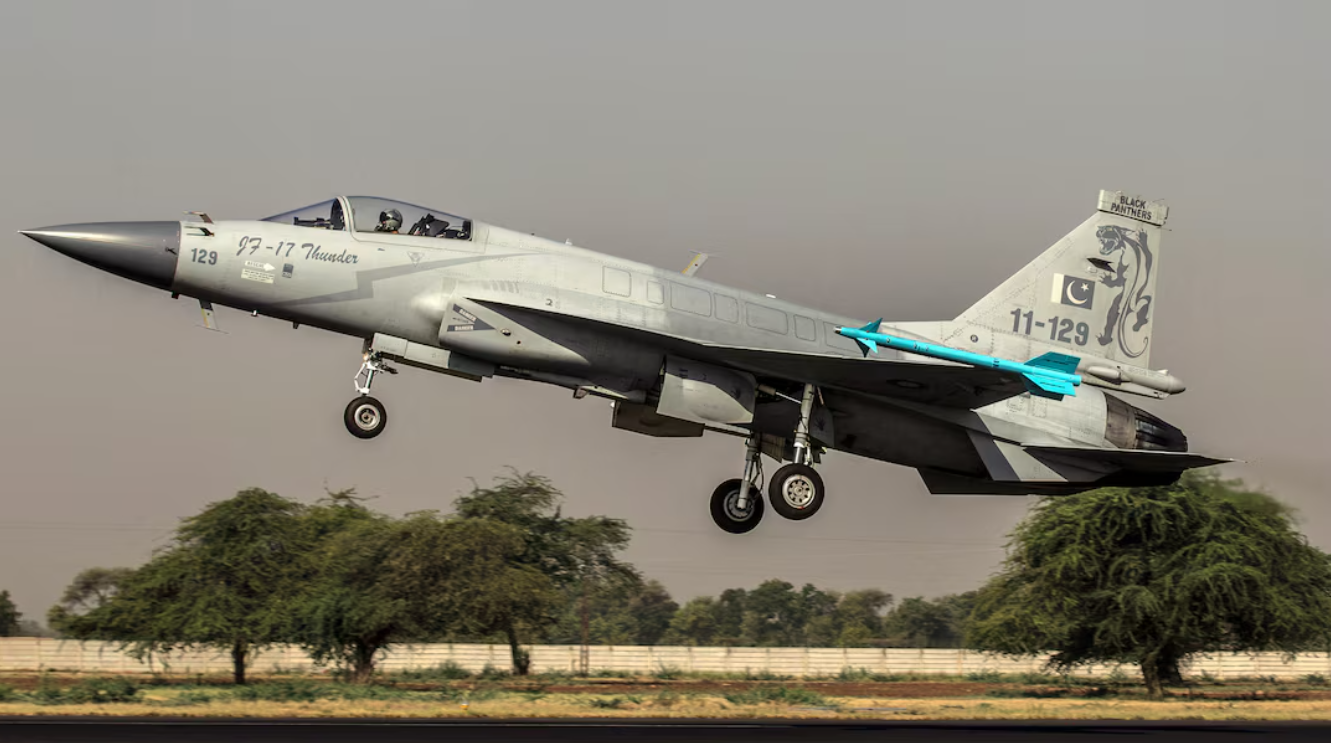
Recent developments in regional defense diplomacy have placed Pakistan and Indonesia at the center of an emerging defense cooperation narrative that could reshape military procurement dynamics in South and Southeast Asia. According to multiple credible media reports, Indonesia and Pakistan are in advanced discussions over a potential defense deal involving the sale of more than 40 JF-17 Thunder fighter jets and armed drones.
Pakistan–Indonesia Defense Talks
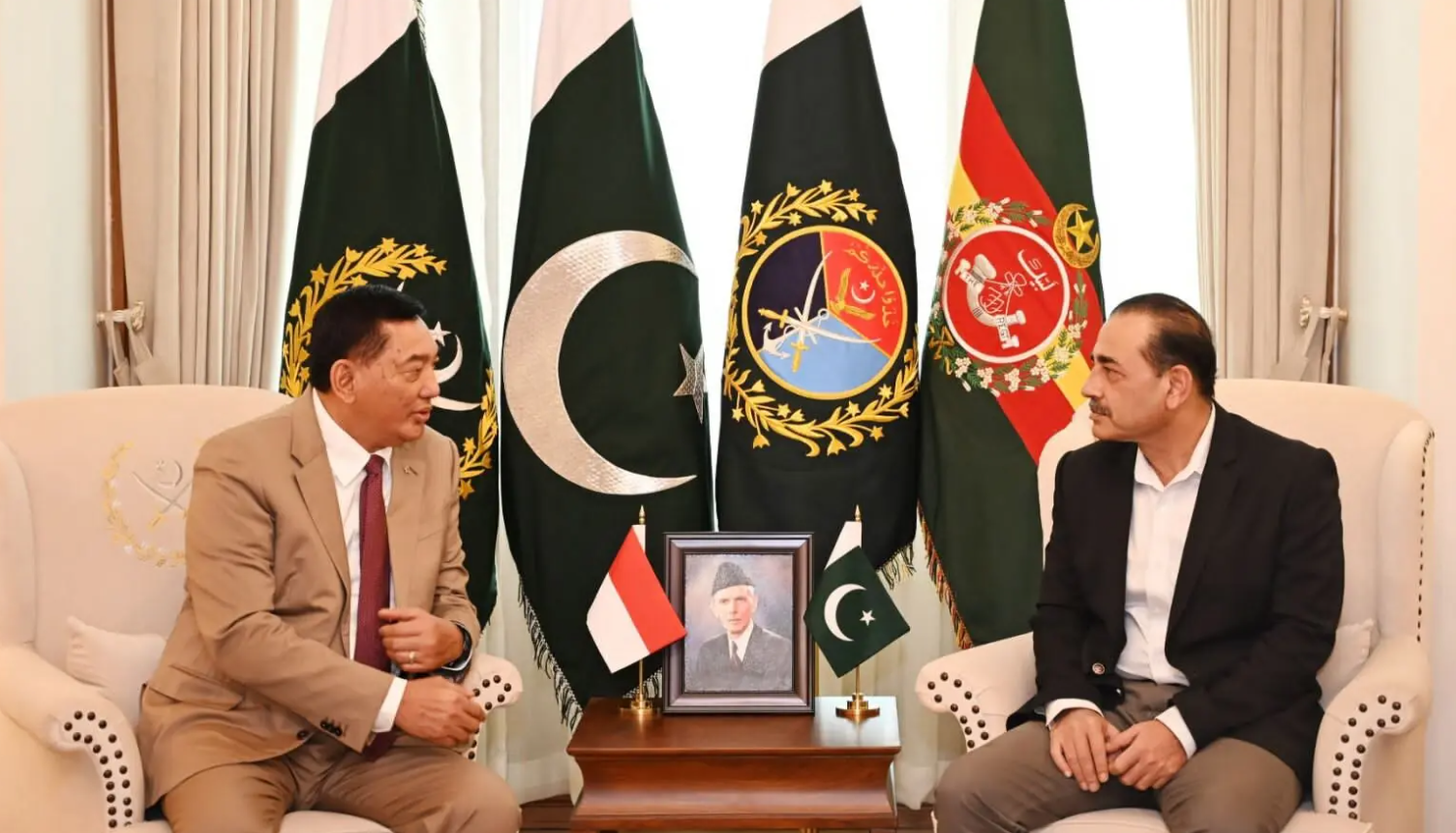
On January 12, 2026, Indonesia’s Defense Minister Lieutenant General (Retd) Sjafrie Sjamsoeddin met with Pakistan’s Air Chief Marshal Zaheer Ahmed Baber Sidhu in Islamabad. The meeting focused on expanding defense cooperation, including strategic discussions, strengthening institutional ties, and opening opportunities for long-term collaboration across defense sectors.
According to multiple sources familiar with the discussions, talks have reached an advanced stage on a package that could include:
- Over 40 JF-17 Thunder fighter jets, a multi-role combat aircraft jointly developed by Pakistan and China.
- Armed drones, such as Pakistan’s Shahpar UAVs, capable of surveillance and precision strike roles.
While no concrete agreement has been signed, and delivery timelines or contract specifics have not been detailed publicly, the fact that both sides are discussing operational and training components alongside hardware sales is significant.
Indonesia’s Strategic Context
Indonesia is amidst a major military modernization drive as its ageing air force fleet needs renewal. Over the past few years, Jakarta has placed significant orders with foreign manufacturers, including:
- 42 Dassault Rafale fighters from France in 2022
- 48 KAAN fighters from Turkey in 2025
- Ongoing talks with Western and non-Western suppliers, such as the U.S. F-15EX aircraft and Chinese J-10 jets
The potential interest in JF-17 aircraft comes as Indonesia seeks a balanced force mix that includes cost-effective yet capable platforms suitable for its defense needs.
Why This Matters for Pakistan
For Pakistan, this negotiation represents a potential milestone in its ambition to be a major defense exporter, a sector that has attracted increased attention following several significant contracts in recent years. Pakistani military and diplomatic sources say Islamabad is increasingly positioning its defense industry as a reliable supplier of advanced military hardware to regional and global markets.
Pakistan’s Recent Defense Deals & Exports
Over the past few years, Pakistan has secured or advanced multiple high-value defense agreements, showcasing its growing footprint in global arms markets:
- Azerbaijan - JF-17 Block III Fighter Jets
Pakistan finalized a deal to supply 40 JF-17 Block III multi-role combat aircraft to Azerbaijan’s Air Force. The contract, reportedly valued between $1.6 billion and $4.2 billion, marks one of the largest aircraft export deals in Pakistan’s history.
- Libya - Multi-Billion Dollar Defense Agreement
In late 2025, Pakistan concluded a $4 billion defense pact with the Libyan National Army, encompassing JF-17 jets, Super Mushshak trainer aircraft, and various land and air defense equipment, a landmark moment for Pakistan’s defense exports.
- Sudan - Near-Final Arms Supply Contract
Reports from early January 2026 indicate Pakistan is close to signing a $1.5 billion deal to supply weapons, light attack aircraft (such as Karakoram-8), over 200 drones (including reconnaissance and kamikaze types), and advanced air defense systems to Sudan’s military.
- Bangladesh - Defense Cooperation Talks
Islamabad and Dhaka have discussed a potential defense pact that could involve the sale of JF-17 jets and Super Mushshak trainers, alongside expedited delivery terms for allied systems.
- Saudi Arabia - JF-17 Jets for Loan Conversion Talks
Negotiations are underway between Pakistan and Saudi Arabia to convert roughly $2 billion in Saudi loans into military purchases of JF-17 aircraft and related equipment. The potential deal could be valued between $2 billion and $4 billion, strengthening ties with Riyadh.
The Broader Strategic Impact
If the talks with Indonesia culminate in a formal agreement, it would represent a significant endorsement of Pakistan’s defense manufacturing capabilities. The JF-17 platform, co-developed with China, has been actively promoted internationally as a cost-effective yet combat-proven fighter, an attribute likely appealing to developing air forces with budget constraints.
Furthermore, expanding defense cooperation with Indonesia, a key member of the Association of Southeast Asian Nations (ASEAN), could open new markets and strategic partnerships for Pakistan, diversifying its export destinations beyond traditional buyers.
Challenges and Considerations
Although the negotiations are described as advanced, analysts caution that several hurdles remain:
- Competing suppliers: Indonesia has multiple ongoing procurement talks with global manufacturers.
- Financing: The scope of any purchase including price, payment structure, and support terms remains unclear.
- Technology transfer and training: Long-term cooperation would likely hinge on training and sustainment packages that meet Jakarta’s requirements.
The potential Pakistan–Indonesia defense deal, involving around 40 JF-17 Thunder jets and armed drones, offers a timely and compelling subject for analysis on military diplomacy, defense economics, and strategic relations. With Pakistan actively expanding its defense industry’s global footprint and Indonesia modernizing its air capabilities, this negotiation highlights evolving patterns in international arms trade and collaboration between developing countries.