Pakistan Cuts Salaries, Fuel Allowances Amid Oil Crisis
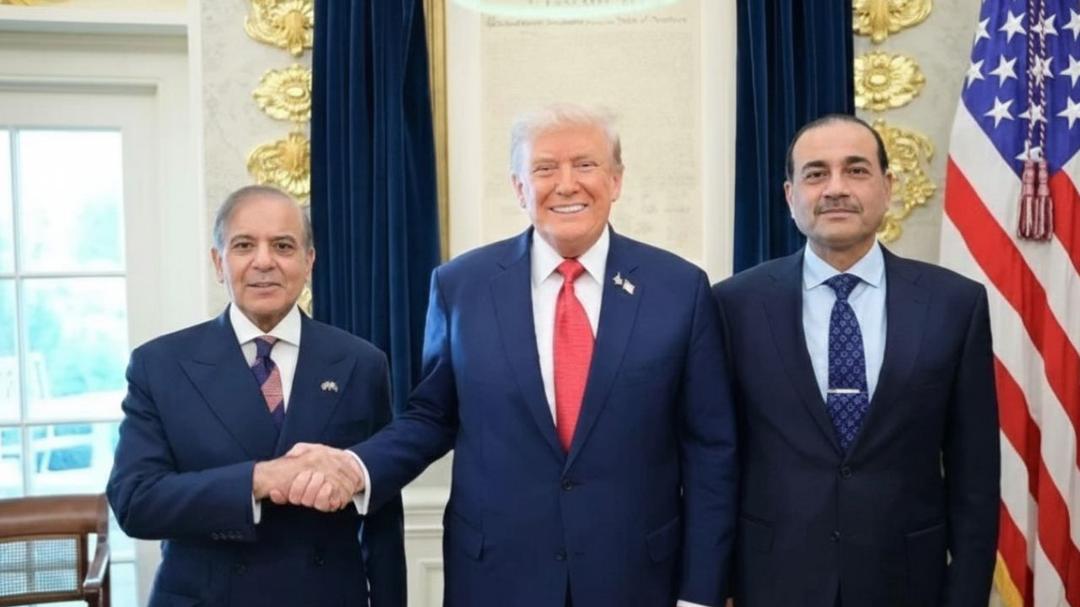
Prime Minister Shehbaz Sharif has announced more than a dozen emergency steps to conserve fuel and cut government spending as global oil prices surge past $100 per barrel.
Mar 10, 2026
Pakistan is tightening its belt. In a televised address to the nation on March 9, Prime Minister Shehbaz Sharif laid out a sweeping package of austerity and fuel conservation measures in response to the global oil crisis triggered by the US-Israel war on Iran.
"The entire region is currently in a state of war," the prime minister said, warning that the fallout was already reaching Pakistan's economy. Before the conflict, crude oil was trading at around $60 per barrel. It has since surged past $100, according to Sharif's address, putting severe pressure on a country that depends heavily on Gulf imports for fuel, transport, and daily energy needs.
Cabinet Salaries Cut, Government Vehicles Off the Road
The measures announced are immediate and broad-ranging. For the next two months, the federal cabinet will forgo its salaries entirely. Members of parliament will face a 25% salary reduction. Fuel allowances for official government vehicles will be cut by 50%, and 60% of vehicles used across government departments will be taken off the roads. Ambulances and public buses are excluded from the vehicle restrictions.
Non-salary expenditure across all government departments will be reduced by 20%. Official dinners and iftar parties have been banned outright, and seminars and government events will only be held at government-owned venues going forward, according to reporting by The News.
Four-Day Work Week, School Closures, and Work From Home
Beyond the financial cuts, Sharif announced a broader set of energy-saving measures. Government offices, excluding banks, will shift to a four-day work week. Half of the workforce in both the public and private sectors, except those in essential services, will move to work-from-home arrangements to reduce fuel consumption.
All schools will close for two weeks starting March 16. Higher education institutions will shift to online formats immediately.
The prime minister said he had been in contact with leaders of friendly countries and that Pakistan was pursuing active diplomatic efforts to help ease regional tensions. He also addressed Pakistan's security situation, noting that the armed forces were managing ongoing threats along the western border.
Pakistan's Economy Under Pressure
The measures follow a record PKR55 per litre increase in petrol and diesel prices on March 7, the largest single fuel price hike in Pakistan's history, which pushed petrol to PKR321.17 per litre. The government has also arranged alternative fuel import routes, rerouting some supplies through Saudi Arabia's Red Sea port of Yanbu to bypass the Strait of Hormuz, which Iran has effectively closed to shipping.
According to the Oil and Gas Regulatory Authority, Pakistan held roughly 28 days of fuel stock at the time of the crisis, though two crude cargoes were delayed due to the Hormuz disruption. An 18-member cabinet committee chaired by the finance minister has been holding daily reviews of the fuel situation.
Sharif acknowledged the difficulty of the decisions, saying the price hike was made with a "heavy heart," but that economic realities left the government little choice. He assured citizens that the measures would not affect the industrial or agricultural sectors and that the government would work to minimise the burden on ordinary people.