Pakistan-Born Newspaper Hawker Gets French National Award in Paris
A Pakistan-born newspaper hawker who spent over five decades selling papers on the streets of Paris has been awarded one of France’s highest national honors
Jan 30, 2026
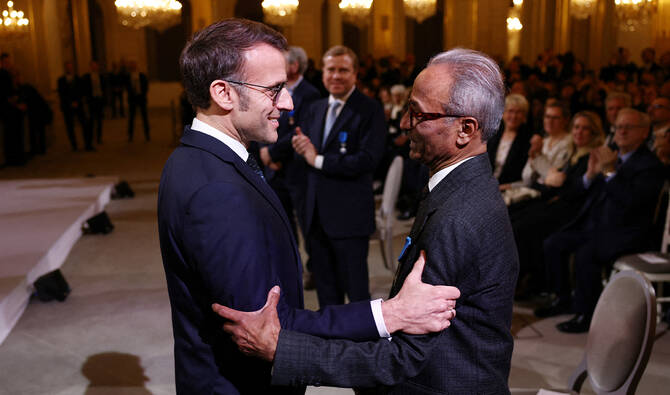
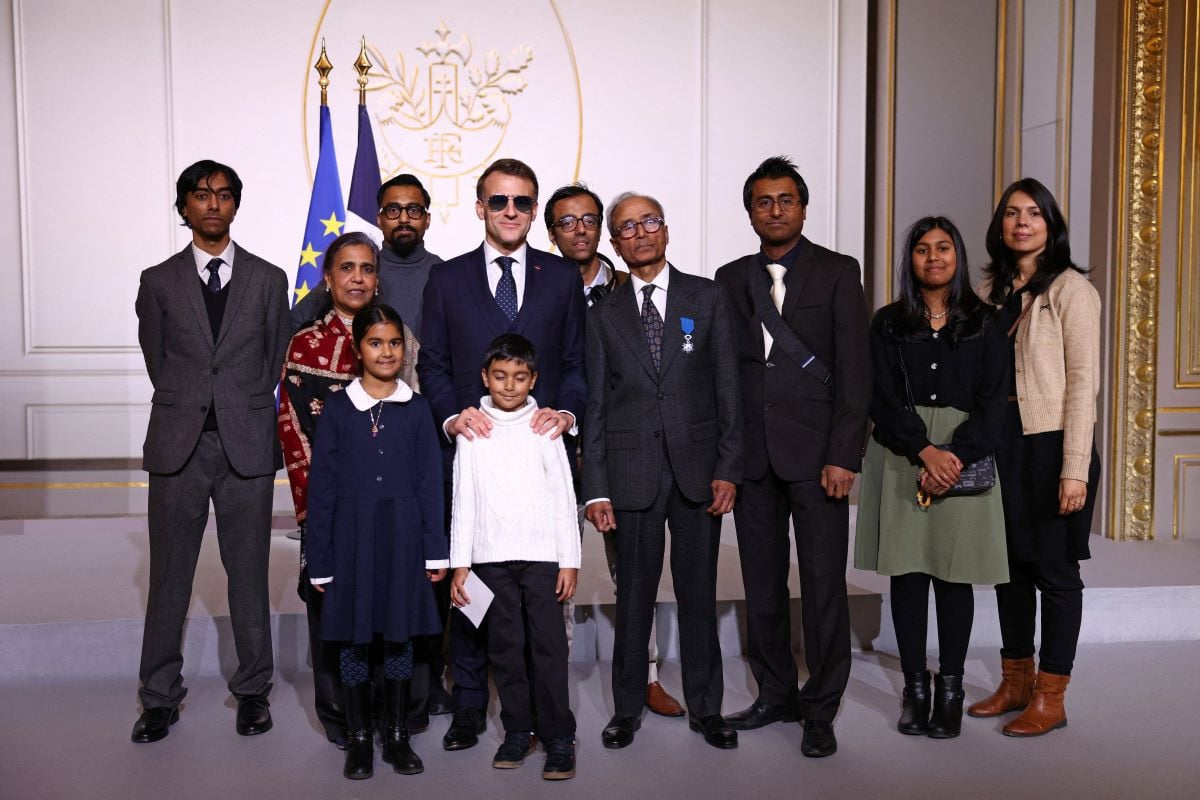
In the age of digital news and silent smartphones, Paris has honored a man whose voice once helped define its daily rhythm. On January 28, 2026, Ali Akbar, a Pakistan-born newspaper hawker who has been a fixture on the streets of Paris for more than 50 years, received one of France’s most prestigious honors, the Ordre National du Mérite, at a ceremony in the Élysée Palace. The moment celebrated not only his remarkable personal journey, but also a fading cultural tradition that his spirited presence helped to sustain.
A Life Shaped by Street Corners and Headlines
Ali Akbar’s story begins far from the boulevards of the French capital. Born in the early 1950s near Rawalpindi, Pakistan, he came to France in the early 1970s in search of work and opportunity. Like many immigrants of his generation, he navigated hardship and uncertainty, finding his way into one of Paris’s oldest, and by then most threatened, professions: the street newspaper hawker.
By 1973, Akbar had staked a claim on the sidewalks around Saint-Germain-des-Prés, a historic district in Paris’s 6th arrondissement. For decades, he was a familiar figure to commuters, café patrons, students and tourists, a man in a modest jacket, with a stack of newspapers under one arm and an unmistakable voice that would slice through the morning hush with cries of “Libération! Le Monde! L’Équipe! Lisez!”
More Than a Seller, A Performer of the Street
Unlike a conventional vendor who merely exchanges goods for money, Akbar’s approach was theatrical. He didn’t simply call out newspaper names; he infused them with character, humor and a kind of improvised poetry. Locals remember him shouting imagined headlines to amuse passers-by, a cheeky way of turning a transactional act into a kind of performance art. Over time, his presence became woven into the fabric of the neighborhood’s daily life.
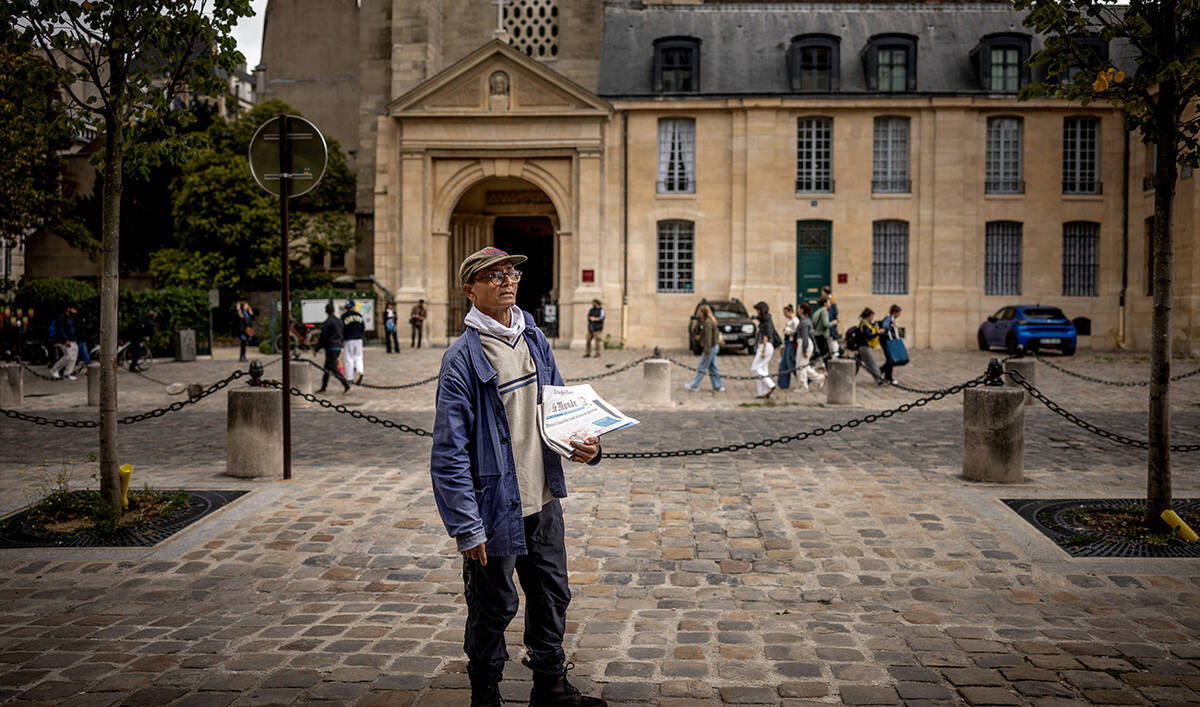
Many young Parisians came to know him before they knew the city’s famous landmarks. Writers and café owners cited his voice as part of their morning rhythm, a ritual that connected them, in a very human way, to the daily flow of news, even as those same papers struggled with declining print sales worldwide.
Survival Through Change
The business of selling newspapers on the street has not been easy. As digital news consumption surged and print circulation collapsed in the 21st century, street hawkers faded from view across France and much of Europe. Reporters covering Akbar’s story in 2025 and 2026 noted that he may well be the last traditional newspaper hawker left in Paris, a living relic of a once-vibrant urban soundscape.
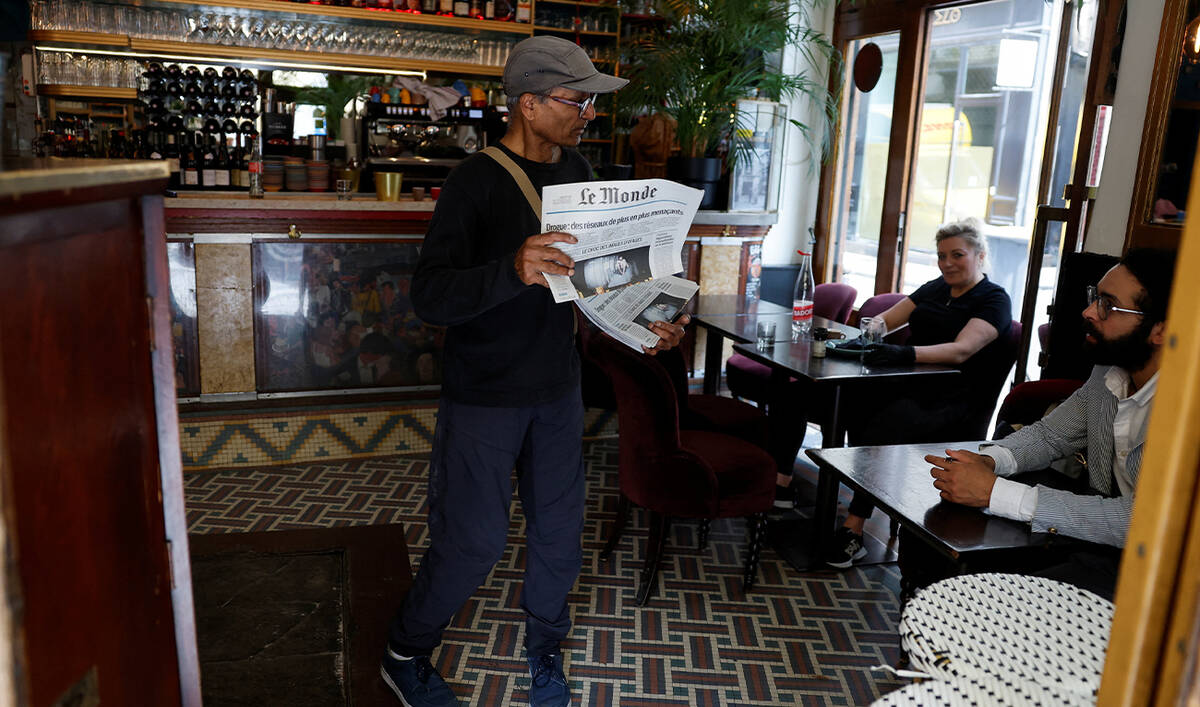
Though sales dwindled, from hundreds of papers a day at the height of print’s influence to just a handful in recent years, Akbar kept showing up. He persisted not out of stubbornness alone, but because his livelihood, identity, community and sense of purpose were bound up with the simple act of selling news. Despite his advanced age and modest pension, he continued to work daily, donning his familiar attire and staking his corner on the boulevard.
A Presidential Tribute
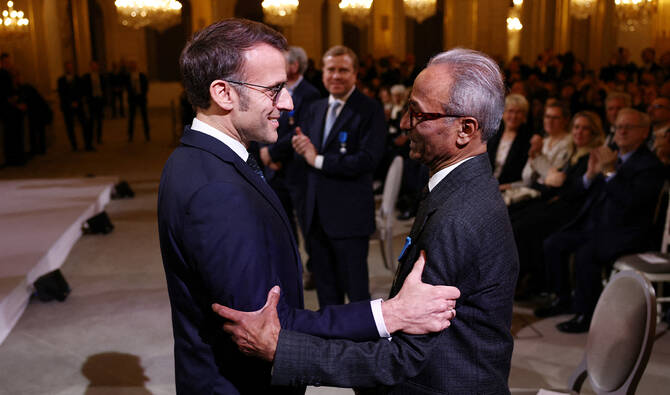
The turning point came in early 2026 when the French President Emmanuel Macron invited Akbar to the Élysée Palace and awarded him the Ordre National du Mérite, making him a Chevalier (Knight) of this distinguished civilian order. The award, often reserved for decades-long contributions to French society, was conferred in recognition of Akbar’s enduring presence, his role in maintaining a cultural tradition, and his embodiment of the immigrant experience in France.
At the ceremony, President Macron praised Akbar’s “incredible destiny”, noting that the hawker had become an institution in his own right, a figure whose daily grind brought a human face to the news and to the city itself. Macron reportedly told guests that he first encountered Akbar as a customer decades earlier, long before either of them stood at the Élysée steps.
Symbolism Beyond the Medal
For many observers, the recognition carries deeper significance. In a time of heated debates about migration and integration in France, Akbar’s story has become a reminder of the quiet contributions immigrants make to everyday life. His long tenure on Paris’s streets, resilience in the face of adversity, commitment to his work and warmth in personal interactions, echoed larger themes of belonging and community.
Akbar himself spoke of the honor with pride and humility. In interviews following the award, he expressed hope that the recognition might also help his long-pending application for French citizenship, a milestone that would affirm a lifelong commitment to the country he chose decades ago.
Today, the presence of newspaper hawkers is rare, replaced by silent apps and digital alerts. But for many Parisians and visitors, Ali Akbar’s voice, once a daily sound-track of the city, still resonates in memory. His story is not merely about nostalgia for a vanished profession, but about the way small, persistent acts can stitch together community life.
In an era marked by fast news cycles and fleeting digital attention, his half-century on the street stands as a testament to continuity. Whether pressed between the pages of a morning paper or echoed in an official honor from the head of state, Akbar’s contribution speaks to the intersection of work, culture and human connection, and to the idea that the simplest jobs, done with commitment and character, can leave a lasting imprint on a city’s soul.