Pakistan at Davos 2026: Peace Plans And Breakthrough Investments At The Forefront
At Davos 2026, Pakistan successfully pivoted from a passive observer to a key global stakeholder. Formally joining the US-led Gaza Board of Peace and securing significant foreign investment from corporate giants, the nation presented a unified front of diplomatic relevance and economic stability under Prime Minister Shehbaz Sharif.
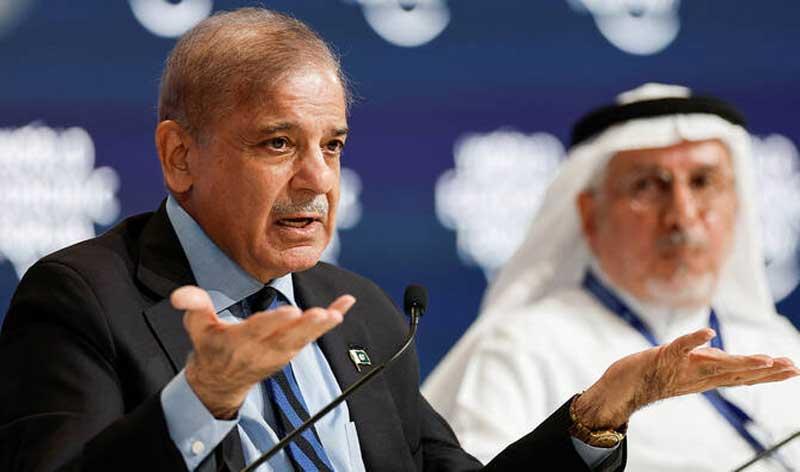
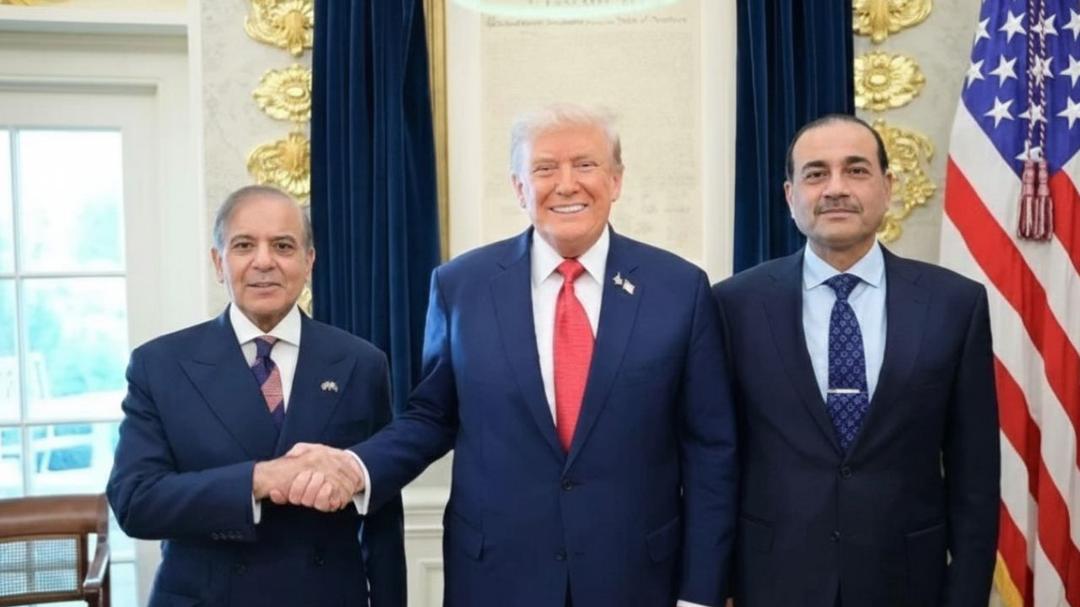
The 56th Annual Meeting of the World Economic Forum (WEF) in Davos marked a significant turning point for Pakistan’s global positioning. Moving beyond its traditional role, Pakistan emerged at Davos 2026 as a proactive diplomatic player and a stabilizing economic force in the region. The delegation, led by Prime Minister Shehbaz Sharif and accompanied by Chief of Army Staff General Asim Munir, executed a dual-track strategy: securing a seat at the table for global peace and locking in tangible foreign investment.
Joining the Gaza Board of Peace
The defining moment of Pakistan's participation was its formal entry into the "Gaza Board of Peace," a major geopolitical development that placed Islamabad at the center of Middle East crisis management. According to Arab News, Prime Minister Shehbaz Sharif attended the official signing ceremony at the Congress Center in Davos, where Pakistan became one of the founding members of this critical body.
The Board of Peace is a US-led initiative spearheaded by President Donald Trump to oversee the implementation of the Gaza Peace Plan. The initiative aims to resolve conflicts and ensure a permanent ceasefire in the region. By accepting the invitation to join this body, Pakistan aligned itself with other key stakeholders, including the United Arab Emirates and Egypt, to guarantee a credible political process for Palestinian self-determination.
The significance of this move cannot be overstated. Arab News reported that the Board brings together states to support dialogue and stability linked to the ongoing crisis in Gaza. The ceremony was attended by high-profile global figures, including US Secretary of State Marco Rubio and former British Prime Minister Tony Blair. For Pakistan, this was not just a diplomatic formality but a strategic victory. It signaled that major global powers view Pakistan as a necessary guarantor of peace in the Muslim world. The Prime Minister's Office stated that joining the Board reflects Pakistan's commitment to regional stability and its desire to play a constructive role in ending humanitarian crises.
"Trade, Not Aid"
While the diplomatic breakthrough grabbed headlines, the economic agenda was equally robust. The government’s narrative of "trade, not aid" was validated by a major announcement from one of the world’s largest food companies.
According to The Express Tribune, Nestlé announced an additional investment of $60 million in Pakistan during a high-level business roundtable chaired by Finance Minister Muhammad Aurangzeb. This investment is not merely for local operations; it represents a strategic shift in how multinational corporations view the Pakistani market. Remy Ejel, Nestlé’s Executive Vice President and CEO for Asia, Oceania and Africa, stated that the company intends to use Pakistan as a regional manufacturing and export hub.
Business Recorder highlighted that Nestlé plans to export products to 26 countries from its Pakistani facilities. This move effectively integrates Pakistan into the global supply chain, proving that the country’s manufacturing sector can meet international standards. The Finance Minister termed this investment a "strong vote of confidence" in the government’s economic reform agenda. He emphasized that Pakistan offers compelling opportunities in affordable nutrition and export-oriented manufacturing, encouraging other global investors to follow suit.
Strategic Engagements: Technology and Minerals Beyond the consumer goods sector, the Pakistani delegation focused on future-proofing the economy through technology and mineral development. Finance Minister Aurangzeb held a pivotal meeting with Microsoft co-founder Bill Gates. The discussions went beyond the traditional topic of polio eradication to include the digitization of Pakistan’s taxation system.
The government is keen to utilize digital solutions to improve transparency and resource mobilization, a key requirement for long-term economic resilience. The meeting also explored opportunities for local vaccine production, aiming to reduce import bills and build national health security.
On the mineral front, Pakistan and Canada explored deeper cooperation regarding the Reko Diq copper-gold project. Federal Minister for Petroleum Ali Pervaiz Malik met with the Canadian High Commissioner to discuss accelerating this massive project. The Reko Diq mine is considered one of the world's largest undeveloped mineral deposits and is central to Pakistan’s strategy to pivot toward a mineral-based economy. The Canadian envoy cited the project as a model for future collaboration, indicating that Western markets are increasingly interested in Pakistan’s natural resources.
Civil-Military Coordination
A unique aspect of this year's Davos participation was the presence of Chief of Army Staff General Asim Munir. Arab News noted that while Pakistani political leaders are regulars at Davos, the presence of a serving army chief is a "rare appearance." This was designed to project a message of absolute stability and unity in decision-making, particularly regarding the Special Investment Facilitation Council (SIFC).
The Army Chief held high-level meetings with world leaders, including US Secretary of State Marco Rubio and Azerbaijani President Ilham Aliyev. These engagements underscored that Pakistan’s security establishment is fully aligned with the government’s economic revival plan. The message to the global community was clear: investors will face no bureaucratic or security hurdles in Pakistan because the state institutions are on the same page.
Pakistan’s trip to Davos 2026 was a calculated exercise in rebranding. The $60 million commitment from Nestlé and the invitation to the peace table serve as evidence that the world is responding to this new positioning. According to Dawn, the Prime Minister’s engagement with global CEOs and leaders was aimed at unlocking opportunities for a "resilient and entrepreneurial workforce." As the summit concluded, Pakistan left Davos not just with promises, but with signed accords and a renewed sense of its place in the global order.