
Orca Warning in Oman: Don't Dive Near Killer Whales to Film Them
Oman's Environment Authority has issued a public safety warning after a viral video showed a man diving near an orca whale off the coast of Qantab in Muscat, calling the act dangerous and irresponsible.
Feb 20, 2026
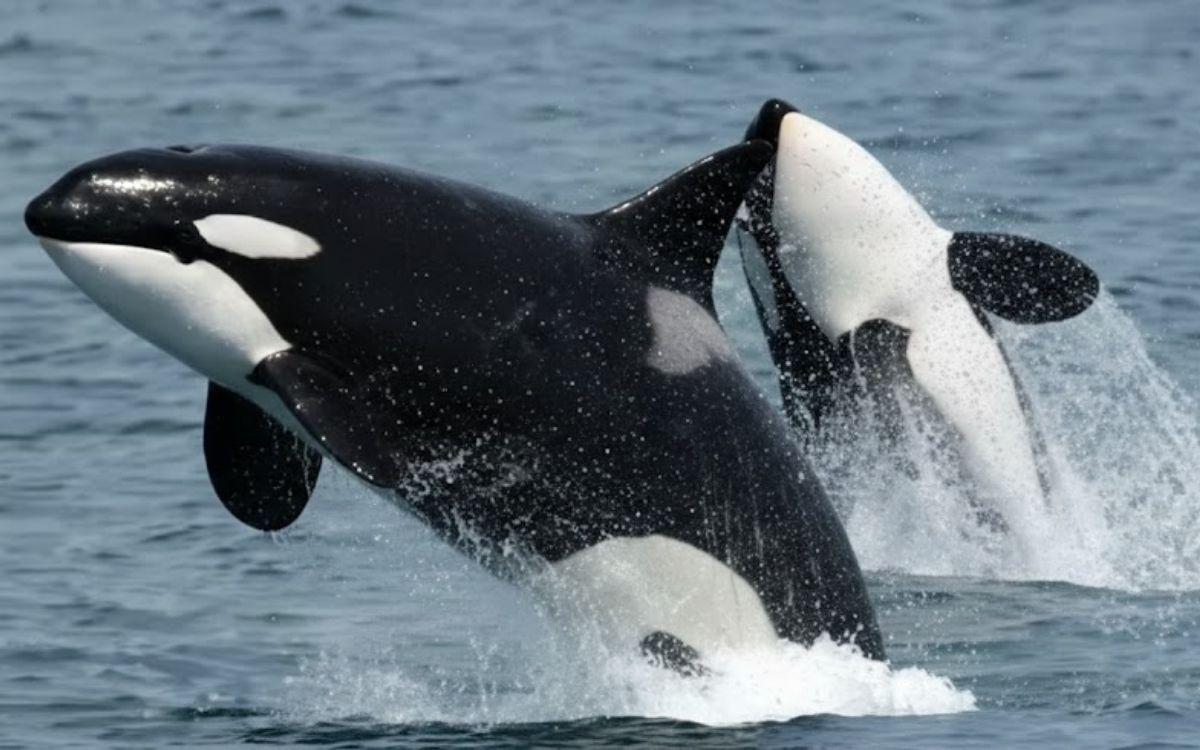
A viral video of a man diving near an orca off the coast of Oman has prompted authorities to issue a public safety warning, reminding residents and visitors that getting too close to wild marine animals is both dangerous and irresponsible.
The Environment Authority (EA) of Oman released a formal advisory on February 12, 2026, following the circulation of the footage showing an individual diving near an orca whale off Qantab, a coastal area in Muscat Governorate popular with divers and marine enthusiasts. The video spread quickly online, capturing public attention for the wrong reasons.
Oman Environment Authority Issues Urgent Orca Safety Warning
The EA did not mince words in its warning. According to the Times of Oman, the authority stressed that the orca is a powerful wild marine mammal that is not domesticated, making its behavior unpredictable. It noted that the animal may react aggressively if it senses danger, and that approaching or attempting to interact with it "is dangerous and irresponsible."
Officials urged the public to observe marine wildlife only from a safe distance, preferably from boats, and to avoid swimming, diving, or attempting close contact with any marine creature. The authority added that respecting wildlife and maintaining safe distances are essential not only for personal safety but also for preserving biodiversity and protecting natural ecosystems.
The advisory serves as a reminder that the thrill of a close encounter is never worth the risk, and that responsible wildlife watching is both a legal and ethical obligation.
Orcas, also known as killer whales, are not regular inhabitants of Omani waters. According to the Oman Observer, every sighting carries a sense of significance, with their tall dorsal fins and stark black-and-white forms making a striking impression when they do appear. Scientists know that orcas occasionally pass through the region, but the reasons behind these rare visits remain uncertain. They may be following prey, responding to shifting currents, or simply passing through on a wider migratory route.
Oman's coastline is already home to an impressive range of marine life. The Arabian Sea humpback whale, a genetically distinct subspecies found nowhere else on Earth, is among its most remarkable residents. Dolphins, sea turtles, whale sharks, and vibrant coral systems round out an ecosystem that has long attracted divers from around the world. Orca sightings near Muscat and the Hallaniyat Islands further south have been documented but remain rare enough to cause genuine excitement when they occur.
Why Diving Near Orcas in the Wild Is So Dangerous
Orcas are apex predators and among the most powerful animals in the ocean. While there are no recorded cases of wild orcas killing humans, that does not make a close encounter safe. A single tail or fin movement from an adult orca can cause serious injury, and the animals can reach lengths of up to six meters and weigh several tons. Their behavior in the wild is shaped by instinct, not familiarity with humans, and a perceived threat can trigger a fast and forceful response.
The impulse to film wildlife up close, particularly when a rare animal appears nearby, is understandable. Social media has made underwater footage of marine animals incredibly popular, and the desire to capture something extraordinary and share it online is a powerful motivator. But wildlife experts consistently caution that the best wildlife encounters are those observed from a respectful distance, where the animal is undisturbed and the observer is safe.
The dive sites around Qantab, where this incident took place, are among the most accessible in Oman, located just outside the capital and popular with recreational divers of varying experience levels. For those lucky enough to spot an orca in Omani waters, the advice from the EA is simple: stay on the boat, keep a safe distance, and let the moment be what it is. A sighting from the surface is still extraordinary. Getting in the water to film it is a risk that no video is worth.