Operation Muhafiz-ul-Bahr: Pakistan Navy Secures Shipping as Hormuz Crisis Hits Trade
Pakistan's navy has launched Operation Muhafiz-ul-Bahr to escort merchant vessels and protect energy imports as the Strait of Hormuz crisis disrupts global shipping.
Mar 10, 2026
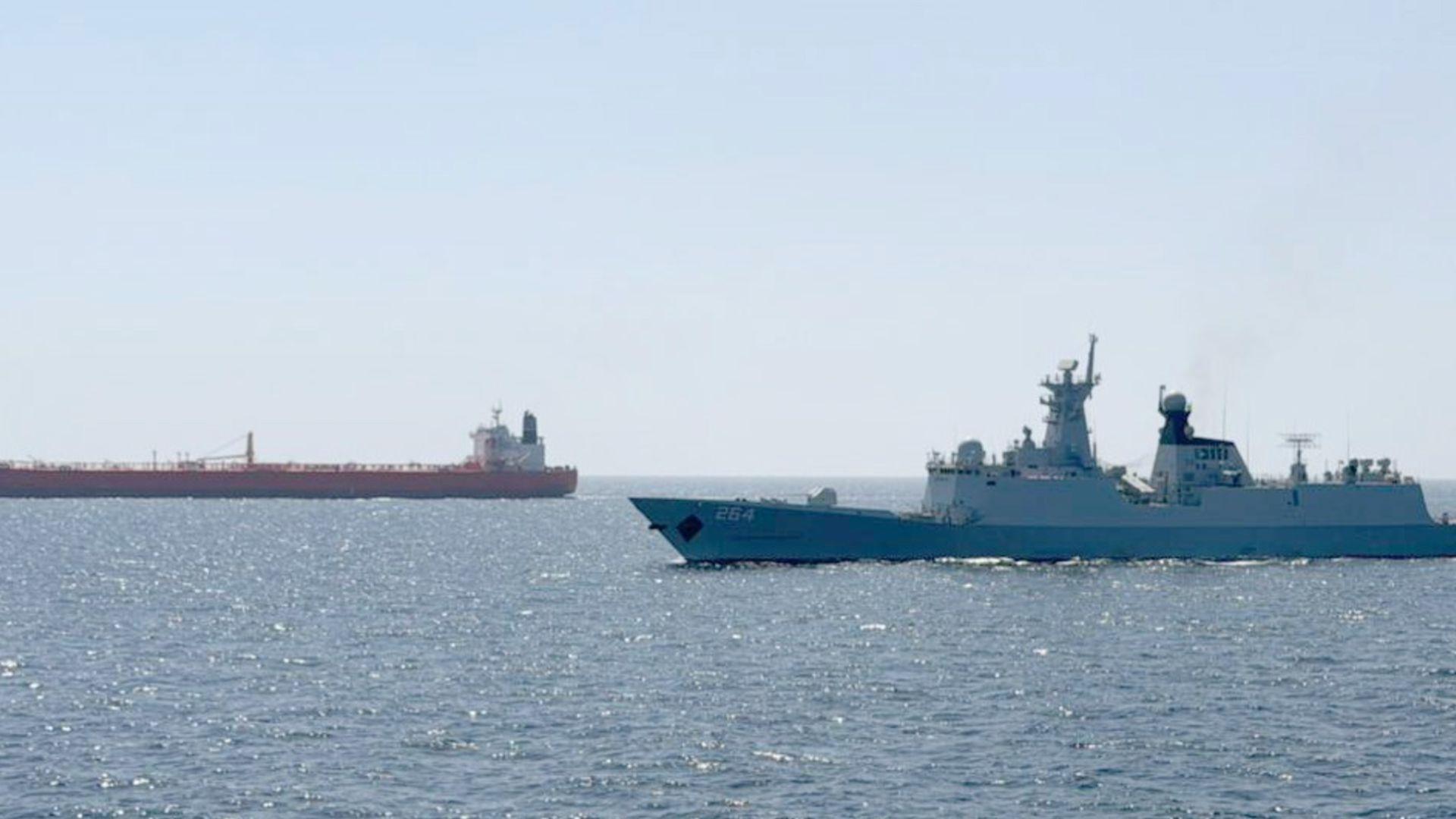
Pakistan's navy has launched a dedicated maritime escort mission as Strait of Hormuz disruptions threaten the country's energy supply and trade routes.
With a war raging in the Middle East and one of the world's most critical shipping lanes effectively shut down, Pakistan has mobilized its naval forces to protect the merchant vessels that keep the country running.
The Pakistan Navy officially launched Operation Muhafiz-ul-Bahr on March 9, 2026. According to a statement from the Inter-Services Public Relations (ISPR), the operation was initiated to counter what it described as "multidimensional threats to national shipping and maritime trade" amid an evolving regional security environment.
The name translates roughly to "Guardian of the Sea." The mission focuses on two core objectives: securing Sea Lines of Communication (SLOCs) and ensuring the uninterrupted flow of Pakistan's energy imports. Navy warships are conducting escort operations for merchant vessels in close coordination with the Pakistan National Shipping Corporation (PNSC). As of the operation's launch, two merchant vessels were already under naval escort, with one scheduled to arrive at Karachi port the same day.
Pakistan Navy Escorts Merchant Vessels Through Dangerous Waters
The timing of the operation is directly linked to the ongoing crisis in the Strait of Hormuz. Following coordinated US and Israeli airstrikes on Iran on February 28, 2026, which resulted in the death of Supreme Leader Ayatollah Ali Khamenei, Iran's Revolutionary Guard Corps moved to effectively close the strait to shipping traffic. The IRGC declared it a closed zone and attacked multiple vessels attempting to transit, with tanker traffic dropping sharply and dozens of ships stranded outside the waterway.
The Strait of Hormuz carries roughly one-fifth of the world's daily oil supply. For Pakistan, the impact has been immediate and severe. Nearly 90% of Pakistan's trade moves by sea, and a large share of its fuel imports, particularly diesel, passes through the strait. According to OGRA, Pakistan held around 28 days of fuel stocks at the time the crisis escalated, but two crude cargoes were already stuck due to the closure.
The government moved quickly. Pakistan State Oil floated import tenders for petrol and diesel routed outside the strait, and officials approached Saudi Arabia about rerouting crude shipments through the Red Sea port of Yanbu. An 18-member cabinet committee on the oil situation, chaired by the finance minister, began holding daily reviews.
Fuel Prices and Austerity Measures Follow Energy Shock
The economic fallout hit fast. On March 7, 2026, the government announced a Rs55 per litre increase in both petrol and diesel prices, the largest single fuel price hike in Pakistan's history, according to reporting by The Nation. The move pushed petrol to Rs321.17 per litre, up from Rs266.17. Petroleum Minister Ali Pervaiz Malik described the decision as unavoidable, citing petrol trading at around $106.80 per barrel and diesel climbing to nearly $150 per barrel in global markets.
Prime Minister Shehbaz Sharif followed up with a broader package of austerity measures on March 9. In a televised address, he announced more than a dozen steps to cut government spending and conserve fuel. These included a temporary halt on cabinet minister salaries, school closures, and a move to a four-day work week, according to Bloomberg.
The broader crisis has exposed the degree to which Pakistan's economy depends on the security of sea routes it does not fully control. Operation Muhafiz-ul-Bahr represents the navy's answer to that vulnerability, at least for the vessels it can directly escort through contested waters.
The ISPR stated that the Pakistan Navy "remains fully prepared to respond to emerging maritime security challenges and is committed to ensuring the safety of national shipping and regional maritime security."