Oil Crisis from Iran War Set to Get Worse: Oil CEOs Warn Trump
Executives from Exxon, Chevron, and ConocoPhillips told White House officials the Strait of Hormuz disruption could keep global oil markets volatile for the foreseeable future.
Mar 16, 2026
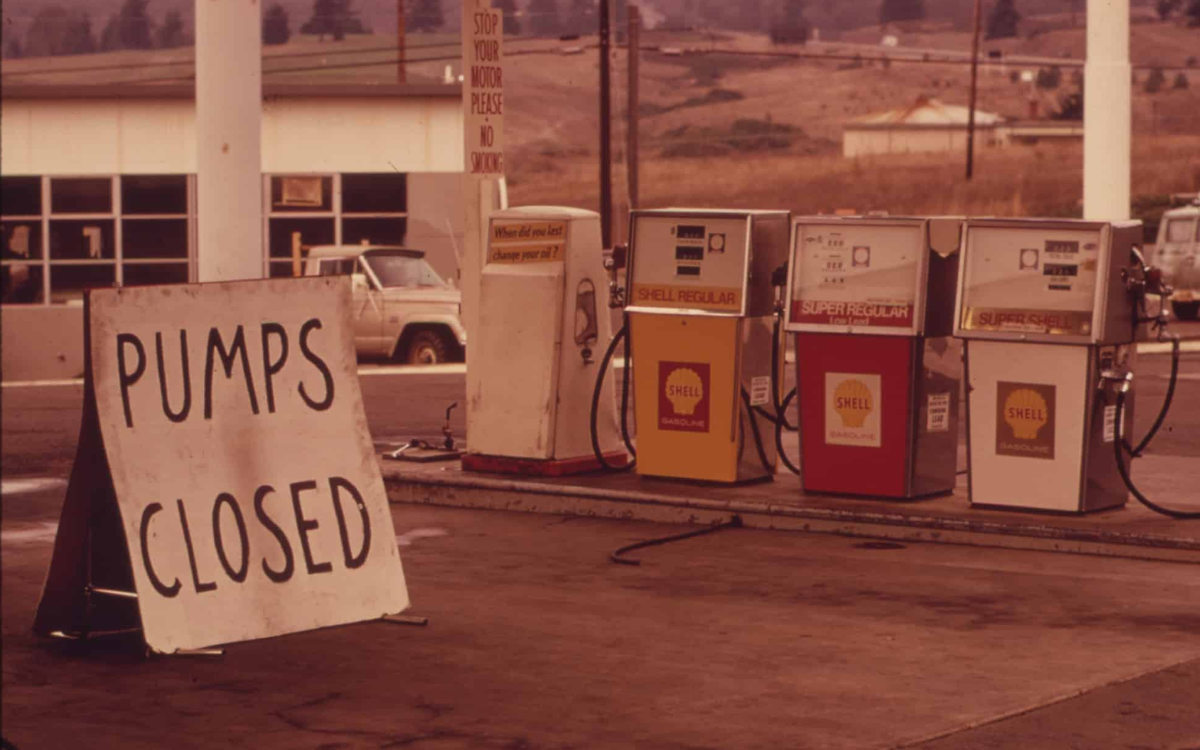
America's top oil executives have told the Trump administration the energy crisis triggered by the Iran war is likely to worsen.
The CEOs of Exxon, Chevron, and ConocoPhillips met with White House officials last Wednesday and held separate conversations with Energy Secretary Chris Wright and Interior Secretary Doug Burgum. They warned that disruptions to energy flows through the Strait of Hormuz would continue to create volatility in global markets.
Exxon CEO Darren Woods warned that if speculative buying picks up, oil prices could rise further from current levels and shortages in refined products could follow. Chevron CEO Mike Wirth and ConocoPhillips CEO Ryan Lance also raised concerns about the scale of supply disruptions.
Brent crude and U.S. West Texas Intermediate surged more than 40 percent this month to their highest levels since 2022. U.S. crude climbed from around $87 a barrel at the time of the meetings to roughly $99 by Friday.
Hormuz Seen as the Only Fix
Industry executives warned that reopening the Strait of Hormuz may be the only lasting solution to stabilize energy markets.
Roughly one-fifth of the world's oil supply passes through the Strait. Ship traffic through the waterway has collapsed to near zero since the conflict began.
Trump has called on Gulf countries to send warships to help secure the Strait. Macron said coordinating escorts will take a few weeks.
White House Reviews Options
Energy Secretary Chris Wright, Treasury Secretary Scott Bessent, and Interior Secretary Doug Burgum have taken the lead in developing new options to address the crisis.
Measures under discussion include easing sanctions on Russian crude, a large-scale release of strategic petroleum reserves, loosening regulations on domestic crude shipments, and expanding supply arrangements with Venezuela.
Industry leaders say domestic or Venezuelan production increases are unlikely to fully offset disruptions from the Strait of Hormuz.