New Drug Cuts Seizures in Children With Severe Epilepsy
A new experimental drug called zorevunersen reduced seizures by up to 91% in children with Dravet syndrome, a rare and devastating form of epilepsy.
Mar 8, 2026
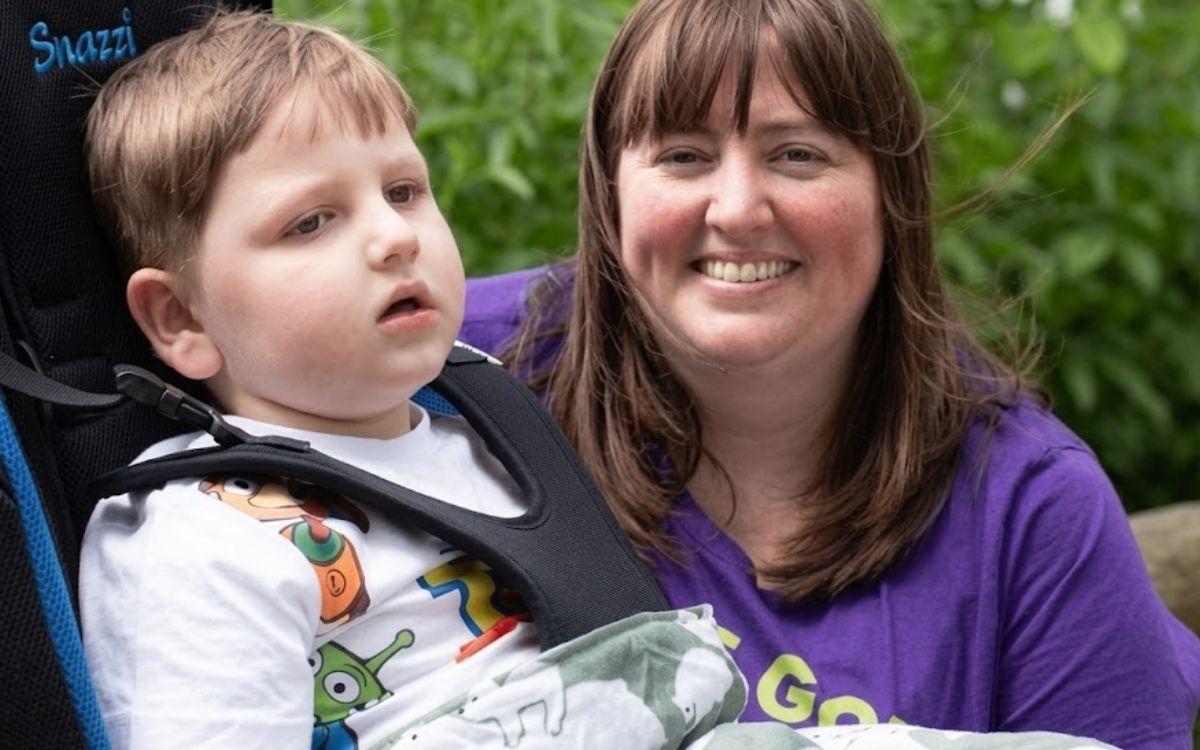
For families living with Dravet syndrome, every day is a medical emergency waiting to happen. The rare genetic condition causes relentless seizures in children, delays their development, and in nearly half of all cases, leads to sudden premature death. For decades, there has been no treatment that could address its root cause. That may be changing.
A new drug called zorevunersen has shown significant results in an early-stage trial, cutting seizures by as much as 91% in children who received the highest doses. The findings were published on March 4, 2026, in The New England Journal of Medicine.
What Is Dravet Syndrome?
Dravet syndrome is a severe childhood epilepsy caused by a genetic mutation in a gene called SCN1A. This gene controls the formation of sodium channels used by interneurons, which are cells that relay signals within the central nervous system. Most people carry two working copies of SCN1A, but in children with Dravet syndrome, one copy is faulty. This disrupts interneuron signaling and triggers frequent, uncontrolled seizures.
Beyond seizures, children with Dravet syndrome face developmental delays, coordination problems, and behavioral difficulties. Around half of those diagnosed die suddenly and prematurely due to the disease. Current anti-epileptic medications and medical devices can reduce seizure frequency to some degree, but none of them address the underlying genetic problem or improve developmental outcomes.
How Zorevunersen Works
Zorevunersen is classified as an antisense oligonucleotide, a type of molecule designed to work at the genetic level. Rather than simply suppressing symptoms, it increases the amount of functional protein produced by the one working copy of the SCN1A gene the child still has. This boosts interneuron signaling and reduces the breakdown that triggers seizures.
Because the drug needs to reach the brain directly, it is administered through a lumbar puncture, which is an injection into the spine that delivers the medication into the cerebrospinal fluid surrounding the brain and spinal cord. While this requires a clinic visit for each dose, trial data shows the effects of a single injection can last several months.
The trial, led by Dr. Helen Cross, a professor of childhood epilepsy at University College London and a pediatric neurologist at Great Ormond Street Hospital, enrolled 81 children between the ages of 2 and 18 at hospitals in the United Kingdom and the United States. Participants received varying doses, with some receiving a single treatment and others receiving a series of injections spaced months apart. After the initial dosing phase, 75 children continued treatment every four months and were followed for a total of three years.
Trial Results and What Comes Next
The primary purpose of this early-stage trial was to assess safety and determine the best dosing range, but researchers also measured seizure frequency, neurodevelopmental progress, and quality of life. After 20 months of treatment, children who received the highest starting dose had between 59% and 91% fewer seizures. According to Dr. Cross, improvements were seen across all measured domains, particularly at the higher doses.
Side effects were mostly mild and linked to the lumbar puncture procedure itself, including headaches, vomiting, and in some cases elevated protein levels in the cerebrospinal fluid. No serious safety concerns were flagged.
The trial does have limitations. The sample size was small and there was no placebo control group, meaning the results need to be confirmed in a larger, more rigorous setting.
A follow-up Phase 3 trial is already underway, enrolling an additional 170 children to compare the drug directly against a placebo group. That trial is expected to be completed in October 2028. If the results hold, zorevunersen could become the first treatment capable of modifying the course of Dravet syndrome rather than just managing its symptoms.
"We're targeting the actual underlying cause of the problem," Dr. Cross told Live Science, "and therefore, not only reducing seizures but improving other aspects of the disease."
For a condition that has long been treated as manageable at best and fatal at worst, that shift in approach could mean everything for affected families.