
Lunar New Year 2026: The Fire Horse Arrived and So Did the Robots
If the first few days of Lunar New Year 2026 are anything to go by, the Year of the Fire Horse is not messing around.
Feb 18, 2026
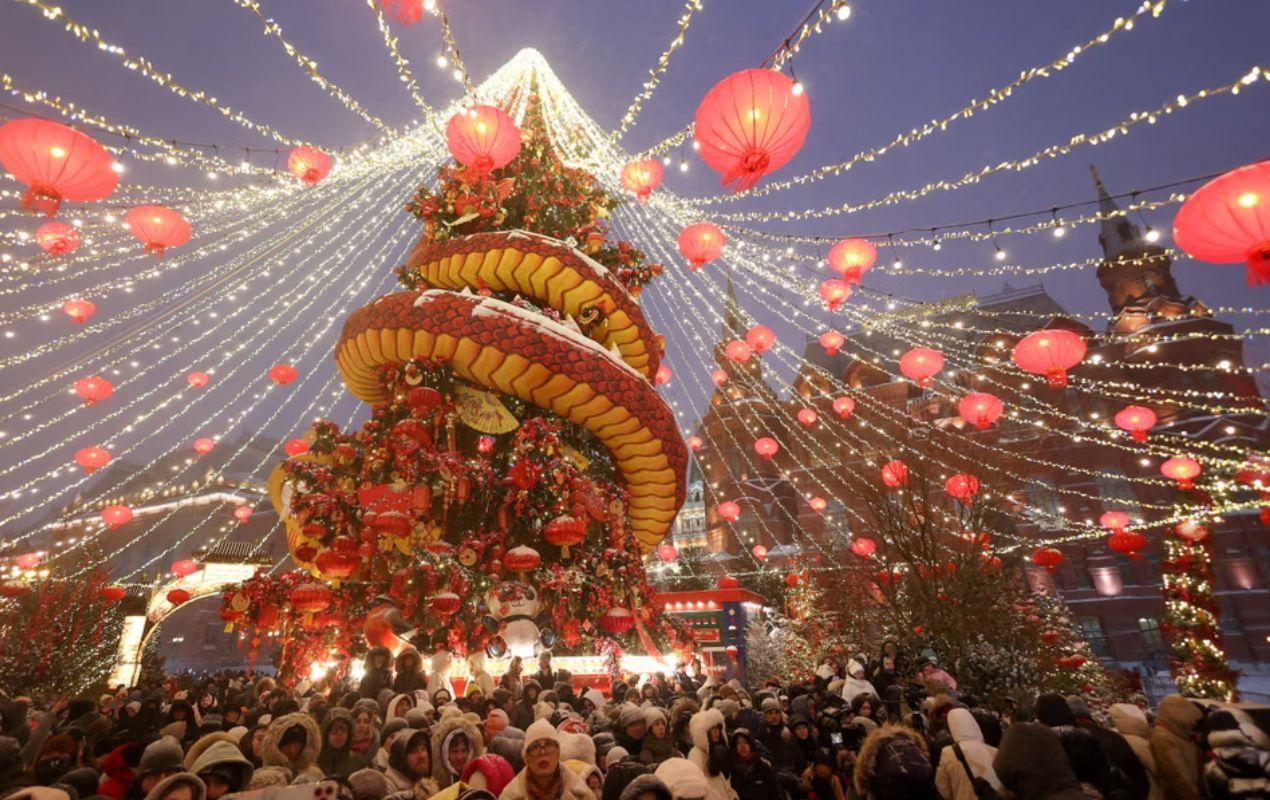
The Chinese Lunar New Year, also known as the Spring Festival, kicked off on February 17, 2026, marking the shift from the Year of the Wood Snake to the Year of the Fire Horse for the first time since 1966.
The 15-day celebration runs all the way to the Lantern Festival on March 3, and it opened with a bang across Asia and around the world. Fireworks, incense, family tables packed with food, and, in a twist no one saw coming, humanoid robots doing kung fu on a stage in Beijing.
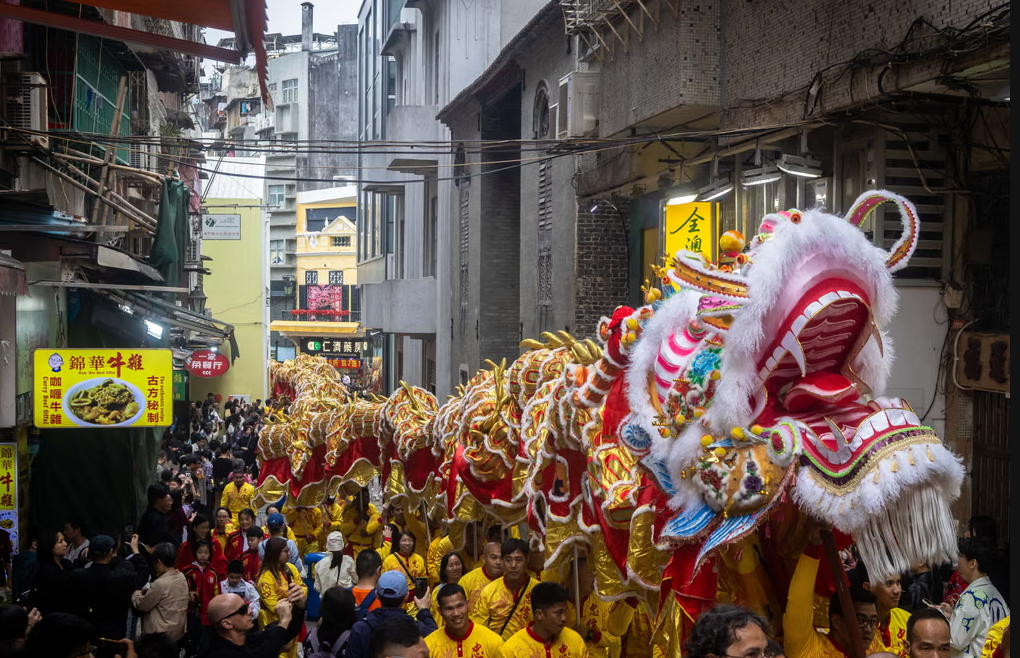
The Year of the Fire Horse is described in cultural tradition as bold, energetic, and action-oriented. So far, it is living up to that.
The Robots That Stole the Gala
At the CCTV Spring Festival Gala in Beijing, the moment everyone kept replaying was not a singer or a dance troupe. It was a group of humanoid robots from Unitree Robotics, the G1 and H2 models, performing a fully autonomous martial arts routine on stage. The performance racked up several world firsts according to Unitree, including the first continuous freestyle table-vaulting parkour, the first launched aerial flip reaching nearly 10 feet (3 meters) in height, and a two-step wall-assisted backflip. The robots also wielded martial arts props and brandished swords.
Anyone who watched last year's Spring Festival Gala will remember the robots looking stiff and awkward, with clunky transitions that made the whole thing feel more like a glitch than a performance. This year was a completely different story.
The improvement came from AI upgrades, new lidar processing, and mechanical changes to the robots themselves. Unitree engineers had been working on the performance since November 2025, building a stunt-motion model trained on extensive data from real stunts. They also overhauled the cluster control platform that coordinates multiple robots at once, achieving millisecond-level synchronization so the machines could move together in real time without human input.
According to Unitree, the performance was designed to fuse the spirit of traditional Chinese martial arts with modern technology, presenting the power and beauty of Wushu while showing kung fu culture and technological progress side by side.
What the Year of the Fire Horse Actually Means
The Chinese zodiac runs on a 12-animal cycle, and each year is also matched with one of five elements, creating combinations that only repeat every 60 years. The Fire Horse last came around in 1966 and is widely considered the most intense pairing in the zodiac. Horse years carry associations of independence, momentum, and bold moves. Add fire into the mix and those qualities get turned up significantly.
The 1966 Fire Horse year is historically linked to a notable dip in birth rates in China, which was later attributed to increased contraception use and rising abortion rates rather than the old superstition that Fire Horse women had difficult temperaments. But the cultural idea of the Fire Horse as a dynamic and unpredictable force has stayed.
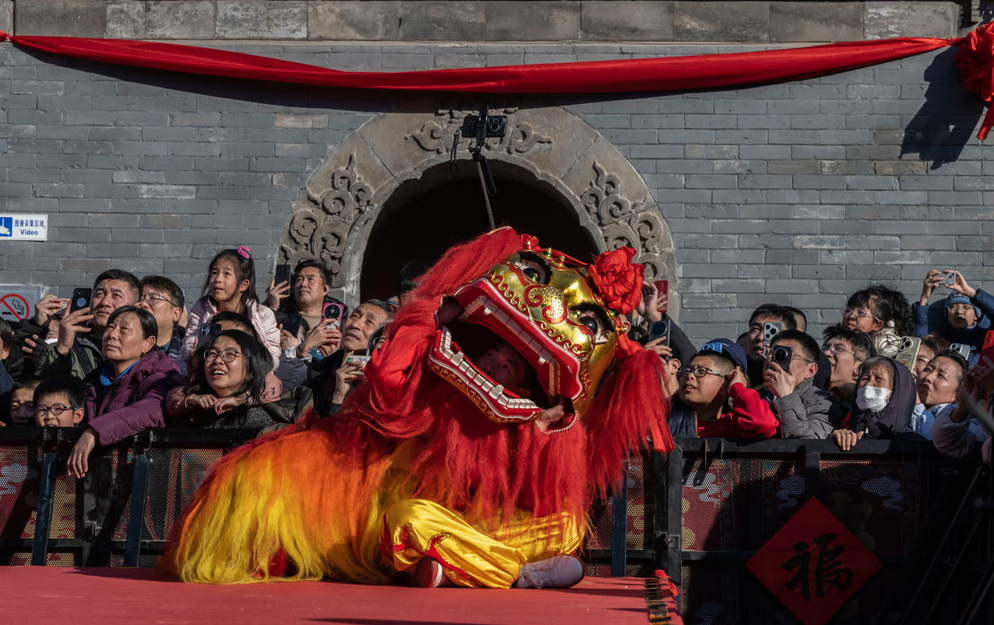
The festival itself follows a familiar rhythm. Homes are cleaned before the new year arrives to sweep out old bad luck, but once the new year begins, sweeping is traditionally avoided for a few days so the incoming good fortune is not accidentally brushed away. The full 15-day cycle closes on March 3 with the Lantern Festival, when lanterns are lit as symbols of hope and guidance.
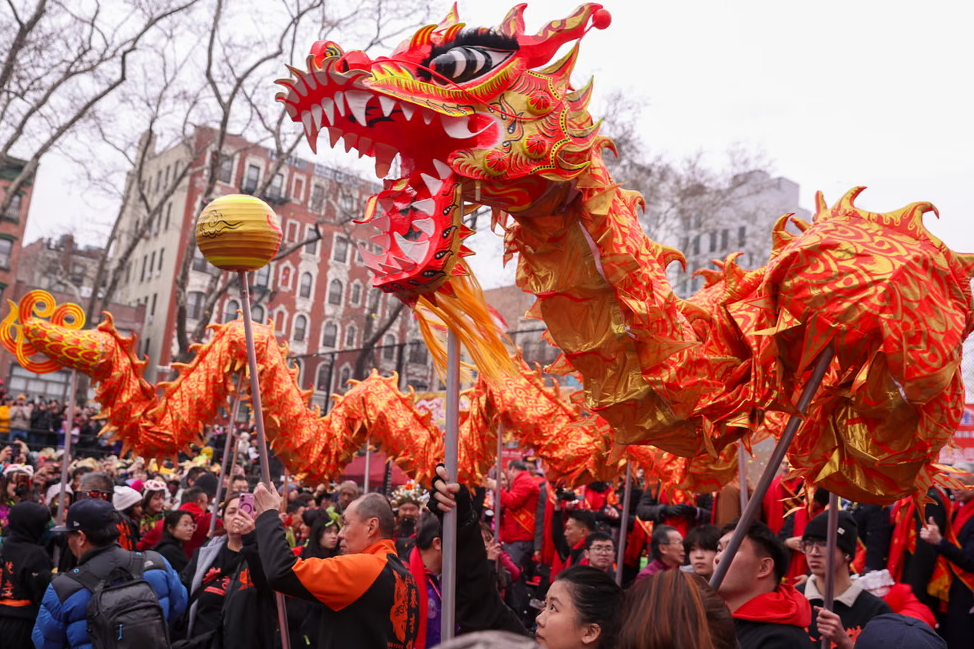
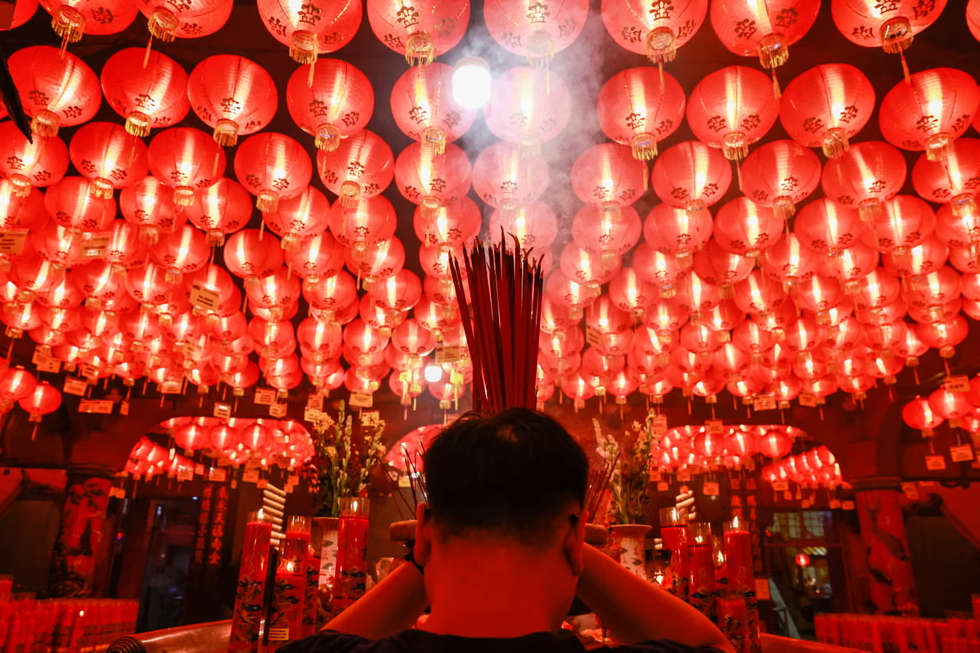
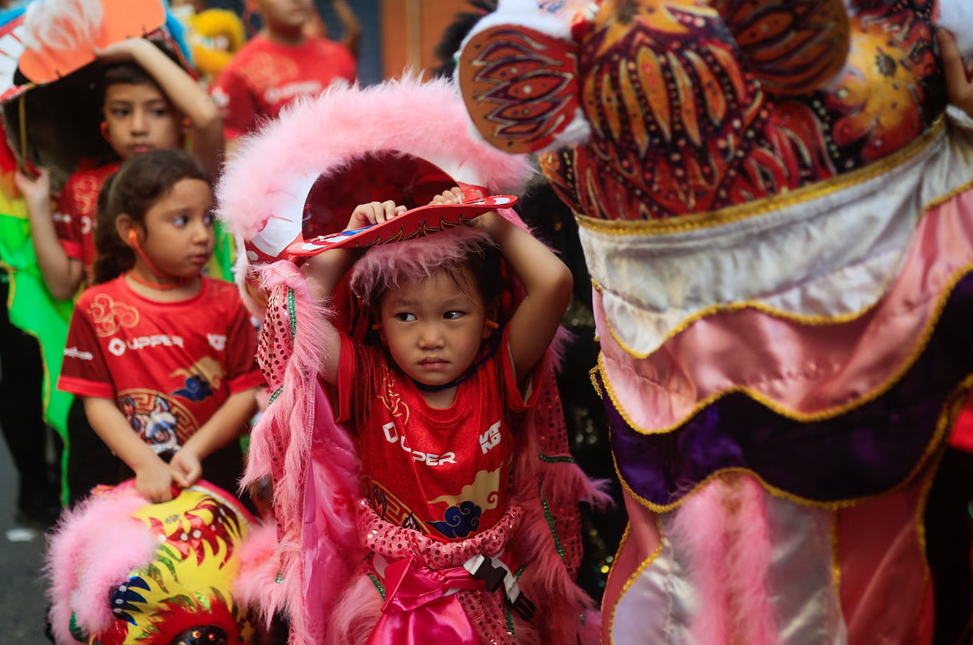
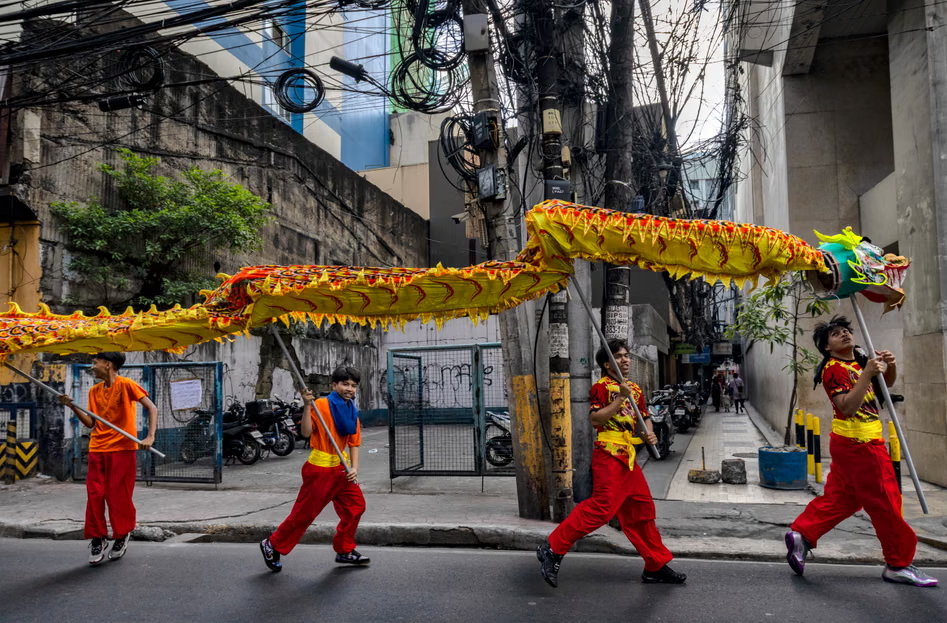
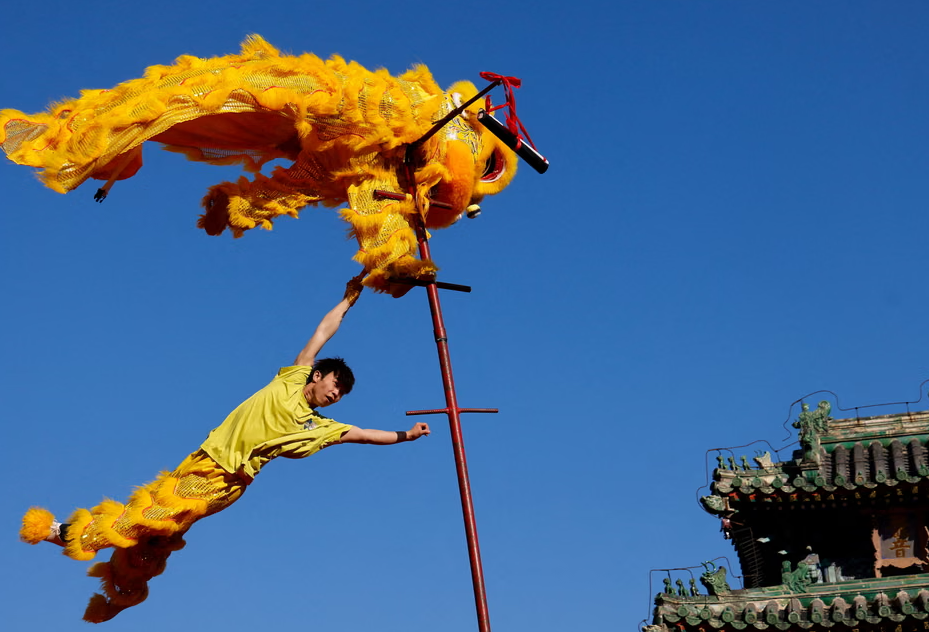
Here are a few glimpses from the festivals:
(Source: "Lunar New Year 2026 in Pictures," The Guardian)
How the World Celebrated
China led the festivities with packed temple fairs, family reunions, and crowds burning incense and praying for good fortune across Beijing and beyond. In Hong Kong, devotees queued at midnight to light incense at temples, bowing repeatedly before placing incense sticks in containers outside temple halls. Vietnam celebrated with musical countdown performances and spectacular Tet fireworks. In Taiwan, worshippers took part in the traditional 108-bell rings and presented floral offerings. In Myanmar, Chinese artists performed dragon dances through Yangon's Chinatown.
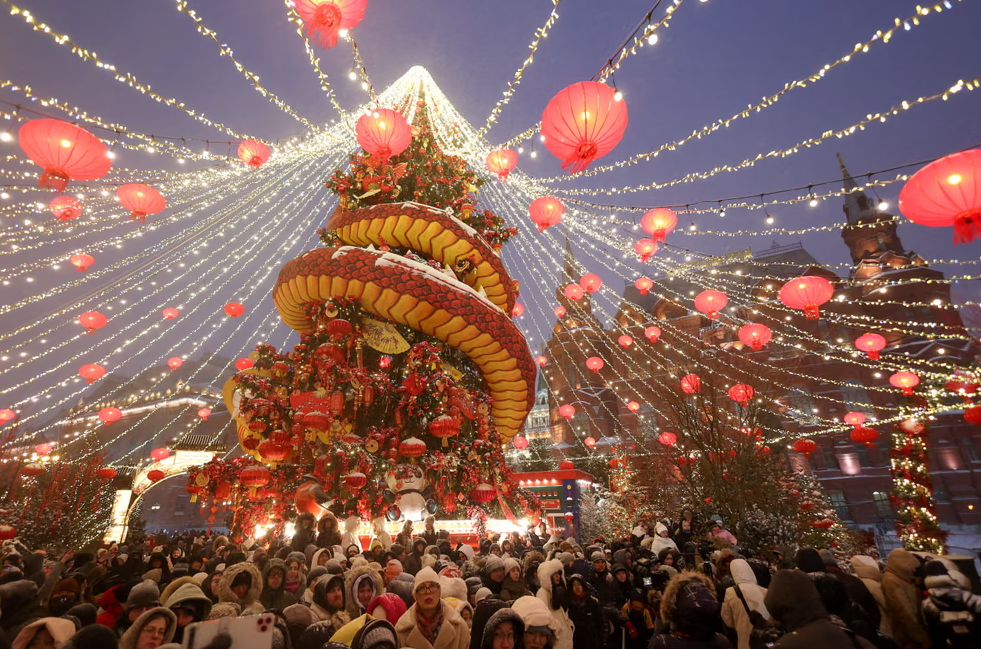
The celebrations spread well beyond Asia too. In the United States, Chinatowns across New York, San Francisco, and Los Angeles filled up with dragon dances, fireworks, and street food. London's Chinatown in Soho drew crowds for lion dances and lantern displays. In Australia, Sydney and Melbourne marked the occasion with large-scale street festivals. Moscow launched a two-week celebration with red lanterns and Chinese food stalls across snow-covered streets. In Buenos Aires, thousands packed Chinatown for dragon and lion dances.
With kung fu robots going viral, a Fire Horse arriving for the first time in 60 years, and celebrations on every continent, Lunar New Year 2026 was one for the books.