Lubna Qazi-Chowdhry Becomes New Jersey’s First Muslim Woman Administrative Law Judge
Lubna Qazi-Chowdhry has been sworn in as New Jersey’s first Muslim woman Administrative Law Judge, marking a historic milestone for representation in the state’s judiciary.
Feb 16, 2026
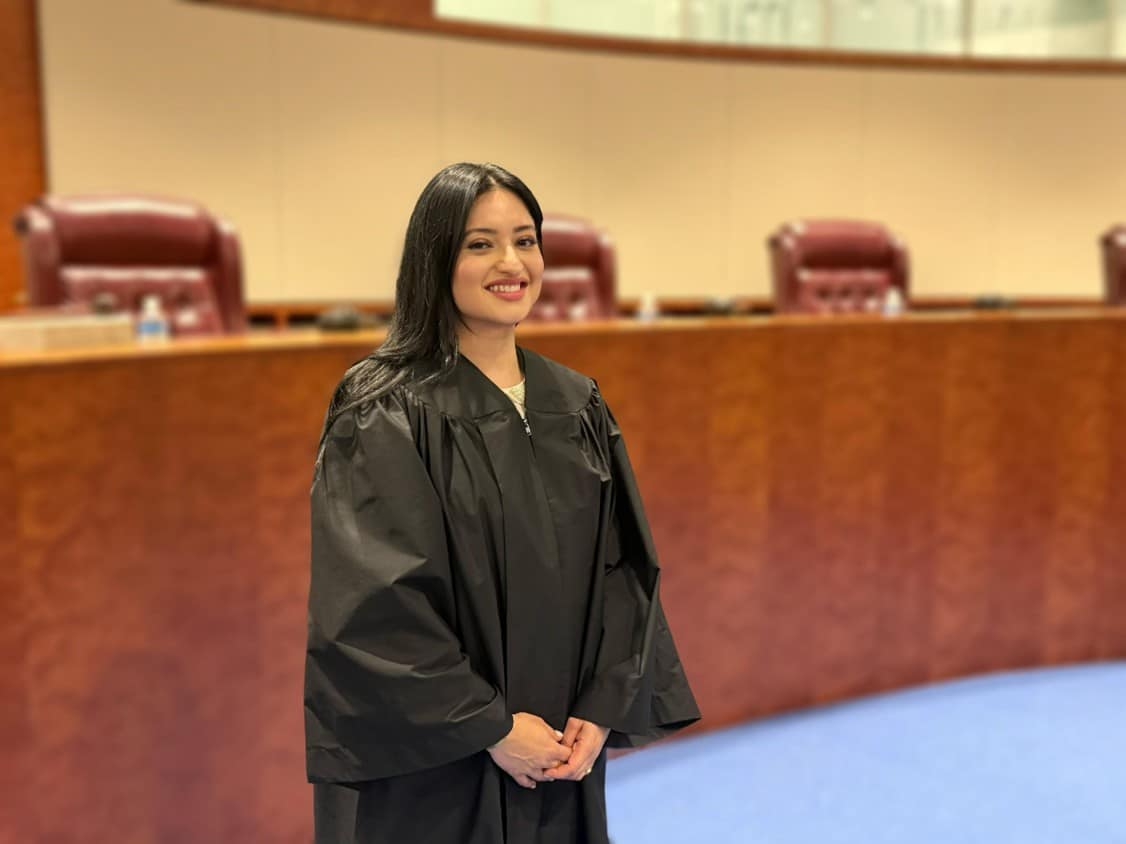
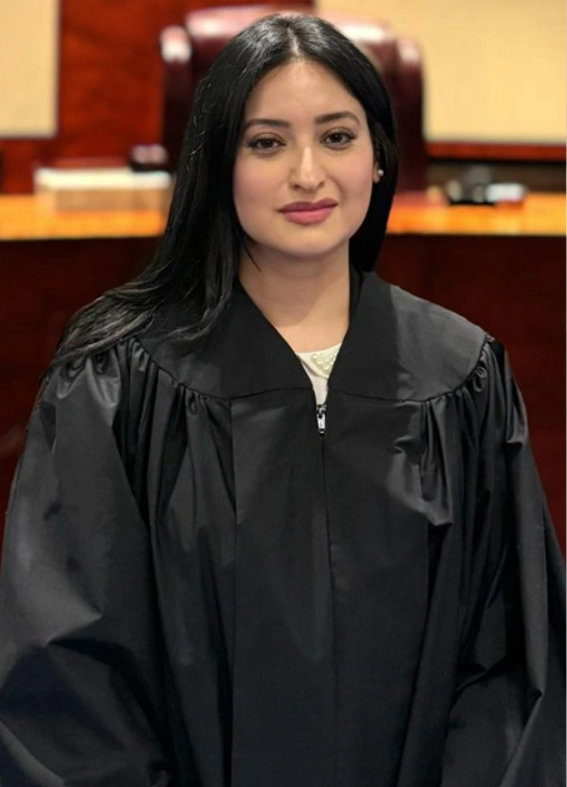
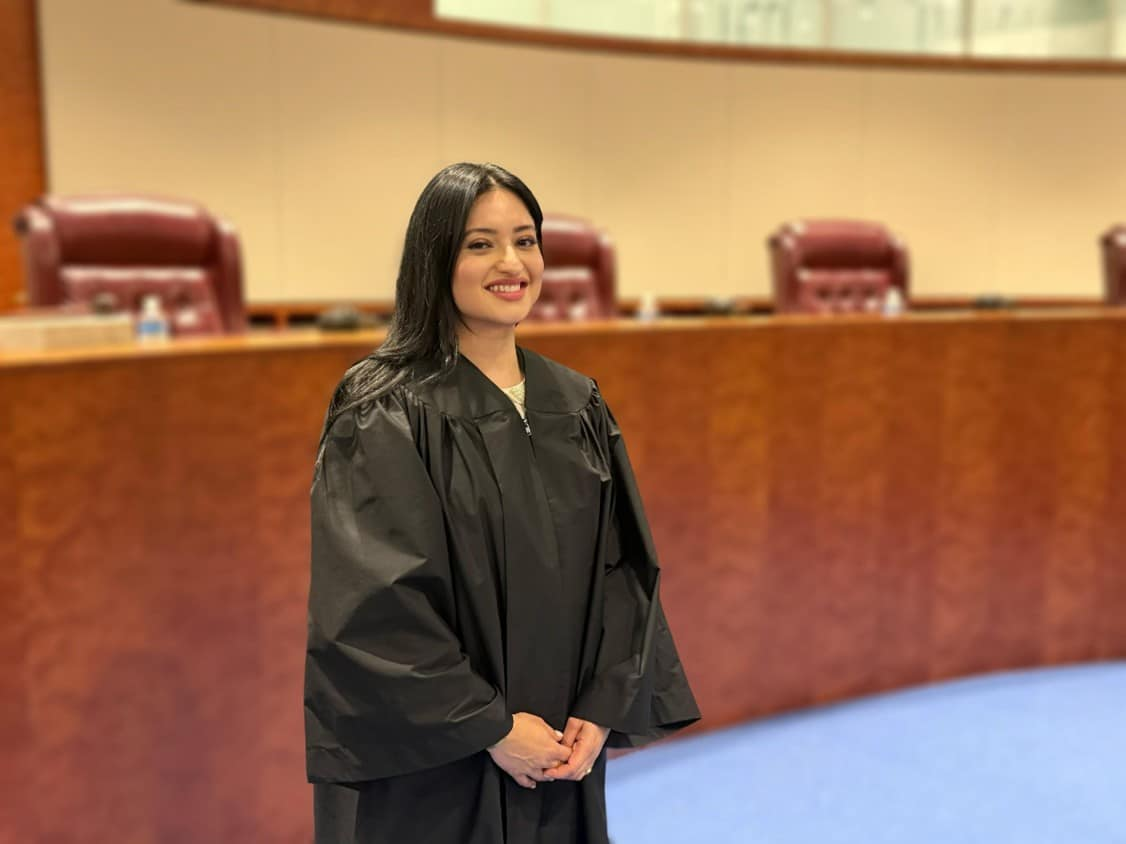
Lubna Qazi-Chowdhry was sworn in as an Administrative Law Judge (ALJ) in New Jersey, a milestone widely reported as the first time a Muslim woman has held that role in the state. Her nomination, confirmation and swearing-in represent both a professional achievement for a longtime attorney and a symbolic step forward for representation in New Jersey’s legal system.
Background and path to the bench
Qazi-Chowdhry’s appointment followed a formal gubernatorial nomination process. She was nominated by Philip D. Murphy and subsequently confirmed by the New Jersey State Senate before taking the oath of office.
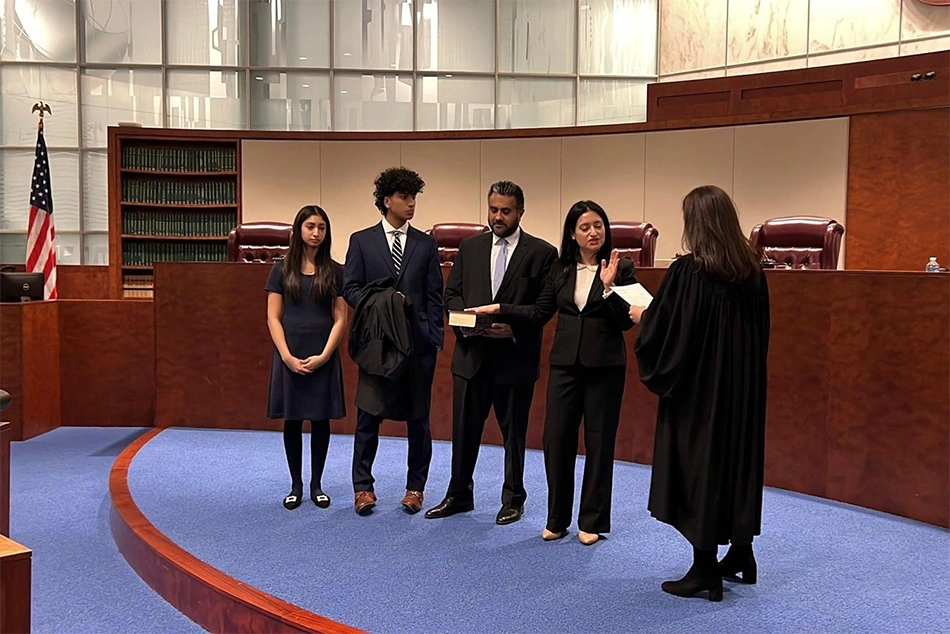
The oath-taking ceremony was administered by Rachel Wainer Apter on January 22, 2026, after which Judge Qazi-Chowdhry began her judicial duties in Newark. These steps, gubernatorial nomination, Senate confirmation and an official oath-taking ceremony, reflect the standard process for filling ALJ positions in the state.
What an Administrative Law Judge does
Administrative Law Judges preside over hearings involving state agencies, reviewing disputes such as licensing, regulatory enforcement, benefits, professional discipline and other matters governed by administrative law. ALJs issue initial decisions based on the law and the record of the hearing; those decisions can affect everyday public services and regulatory enforcement across the state.
The Office of Administrative Law (OAL) where ALJs serve plays a key role in ensuring that agency actions are reviewed fairly and that regulated parties have a forum for adjudication. Judge Qazi-Chowdhry will join that system in handling such matters on behalf of the state.
A personal and professional profile
Originally from Raigad district in Maharashtra, India, Judge Qazi-Chowdhry moved to the United States with her family as they settled and built careers abroad. She completed her higher education in the U.S., earning a law degree and developing a multi-faceted legal career that includes experience in federal and state agencies, private practice and judicial clerkships. She is multilingual, reported to speak English, Urdu, Hindi and Konkani, a capability colleagues say helps her connect with diverse communities in New Jersey. Her legal resume and public-service experience were cited as factors in her nomination.
The oath-taking ceremony and symbolic moments
Media coverage and community posts noted a meaningful moment during the oath: Judge Qazi-Chowdhry placed her hand on a Quran that has personal significance to her family while taking her oath to uphold the law. For many observers this gesture underscored how judges draw on both personal identity and professional duty in serving the public, and it highlighted the importance of recognizing religious and cultural diversity in public life. Community groups such as the New Jersey Muslim Lawyers Association publicly congratulated her on the appointment and the swearing-in.
Why this matters
Appointments like Judge Qazi-Chowdhry’s are important for two related reasons. First, there is symbolic value: seeing people from minority backgrounds and different faiths occupying visible roles in the judiciary can broaden public trust and signal that state institutions reflect the communities they serve. Second, there is practical value: a judiciary with varied life experiences can bring additional perspectives to cases involving culturally or linguistically diverse litigants, improving communication and fairness in hearings. Legal leaders and community advocates celebrated this appointment as strengthening both representation and the administration of justice in New Jersey.
The bigger picture
It’s important to be precise about the “first” being reported. Judge Qazi-Chowdhry’s milestone refers to her status as the first Muslim woman to serve as an Administrative Law Judge in New Jersey; other “firsts” for Muslim jurists in New Jersey’s courts have occurred earlier at different levels (for example, federal judicial milestones have distinct histories). Media outlets covering Qazi-Chowdhry’s appointment mostly rely on state nomination and oath-taking records, alumni profiles, and statements from legal associations, sources that together provide a consistent account of the core facts.
As Judge Qazi-Chowdhry begins hearing cases, observers will likely follow several developments: the types of cases assigned to her docket at the OAL, any published initial decisions she authors, and how she engages with legal-community outreach and bar groups. Her role will be one of many that shape administrative justice in New Jersey; her professional background suggests she will draw on a mix of agency, litigation and clerking experience while on the bench.
The appointment and oath-taking of Lubna Qazi-Chowdhry is both a personal achievement and a community moment: it marks a concrete step toward broader representation on the state’s bench while affirming the formal processes that place qualified candidates into judicial roles. As she assumes her responsibilities at the Office of Administrative Law, her decisions and public service will become part of New Jersey’s evolving story about inclusion, professional merit and public trust.