LPG Shortage in India Forces Restaurant Closures as Iran War Disrupts Supply
India's commercial LPG crisis is shutting down restaurants and hitting wedding season hard, with the root cause sitting thousands of miles away in the Strait of Hormuz.
Mar 12, 2026
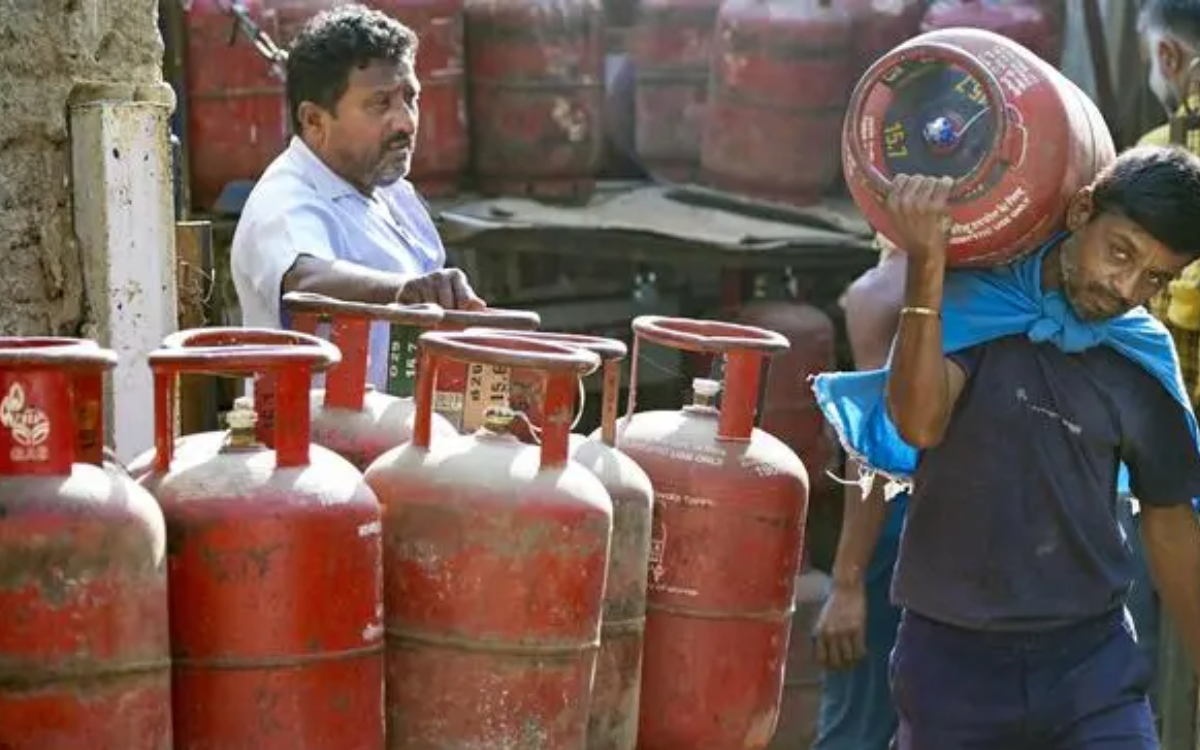
India is facing a cooking gas crisis. Restaurants are shutting down. Banquet halls are scrambling for coal. Households in Mumbai are waiting up to eight days for a cylinder refill. And it all traces back to one chokepoint: the Strait of Hormuz.
The ongoing US-Israel-Iran conflict has disrupted energy shipments through the strait, and India is feeling it fast. The country consumes 31.3 million metric tons of LPG annually. It imports roughly 62 to 67 percent of that, and around 85 to 90 percent of those imports pass through the Strait of Hormuz, mostly sourced from Saudi Arabia. When that corridor tightens, India's kitchens follow.
LPG Shortage Hits Restaurants and Hotels the Hardest
Commercial establishments have taken the biggest hit. The government moved quickly to prioritize household supply, directing oil refineries under the Essential Commodities Act to ramp up LPG production and redirect output to domestic consumers. That left restaurants, hotels, and food vendors at the back of the line.
In Mumbai, suburban dealers confirmed that commercial cylinder supply was stopped entirely as of Sunday, March 8. In Bengaluru, the Bangalore Hotels Association reported that only 10 percent of restaurants received their gas supply on Monday. Chennai Hotel Association president M. Ravi told CNBC that nearly 10,000 establishments in Tamil Nadu alone could shut down within days, with most of those being small and medium-sized restaurants.
The National Restaurant Association of India, which represents over 500,000 restaurants with a combined annual turnover of over 5.7 trillion rupees and 8 million employees, has warned of large-scale closures and job losses if the situation does not stabilize.
It is not just restaurants. The shortage is also cutting into wedding season. Banquet halls and catering services across the country have reported that their LPG stocks may last only a few more days. Some operators are considering switching to coal. Others are pausing new bookings altogether. March is a peak month for Hindu weddings, with auspicious dates running through mid-month.
Government Response to the LPG Crisis
The government has moved on multiple fronts. On March 9, the Ministry of Petroleum and Natural Gas issued directives under the Essential Commodities Act to maximize LPG production at all refineries. The booking interval for domestic cylinders was extended from 21 days to 25 days to curb hoarding and black market activity. Hospitals and educational institutions were placed on priority supply and exempted from the crunch entirely.
As of March 12, Petroleum Minister Hardeep Singh Puri told the Lok Sabha that LPG production had increased by 28 percent over the previous five days. He said the standard delivery time for domestic cylinders remains 2.5 days, unchanged from before the crisis, and attributed the panic largely to consumer anxiety and hoarding at the distributor level rather than an actual supply gap. Joint Secretary Sujata Sharma added that all one lakh retail outlets across the country remain operational, with no dry-outs reported.
The government has also widened its supplier network from 27 countries to 40 to reduce dependence on Gulf routes. A three-member committee has been formed specifically to address supply challenges for the hospitality sector.
Induction cooktops have sold out on quick-commerce platforms like Blinkit, Swiggy Instamart, and Zepto as consumers rush to find alternatives. Stocks of companies like TTK Prestige and Butterfly Gandhimathi surged up to 20 percent on the news.
Authorities have also warned that hoarding LPG cylinders is a criminal offense under the Essential Commodities Act, carrying a penalty of up to seven years in jail.
The crisis underscores a structural vulnerability India has long carried: heavy import dependence for LPG and near-total reliance on a single maritime corridor. Short-term measures may ease the pressure, but the Strait of Hormuz is not getting less important anytime soon.