Lebanese Families Flee Israeli Strikes to Schools, Stadiums and Streets
Israeli strikes have killed more than 600 people in Lebanon and uprooted 800,000 more, according to Lebanese authorities.
Mar 18, 2026
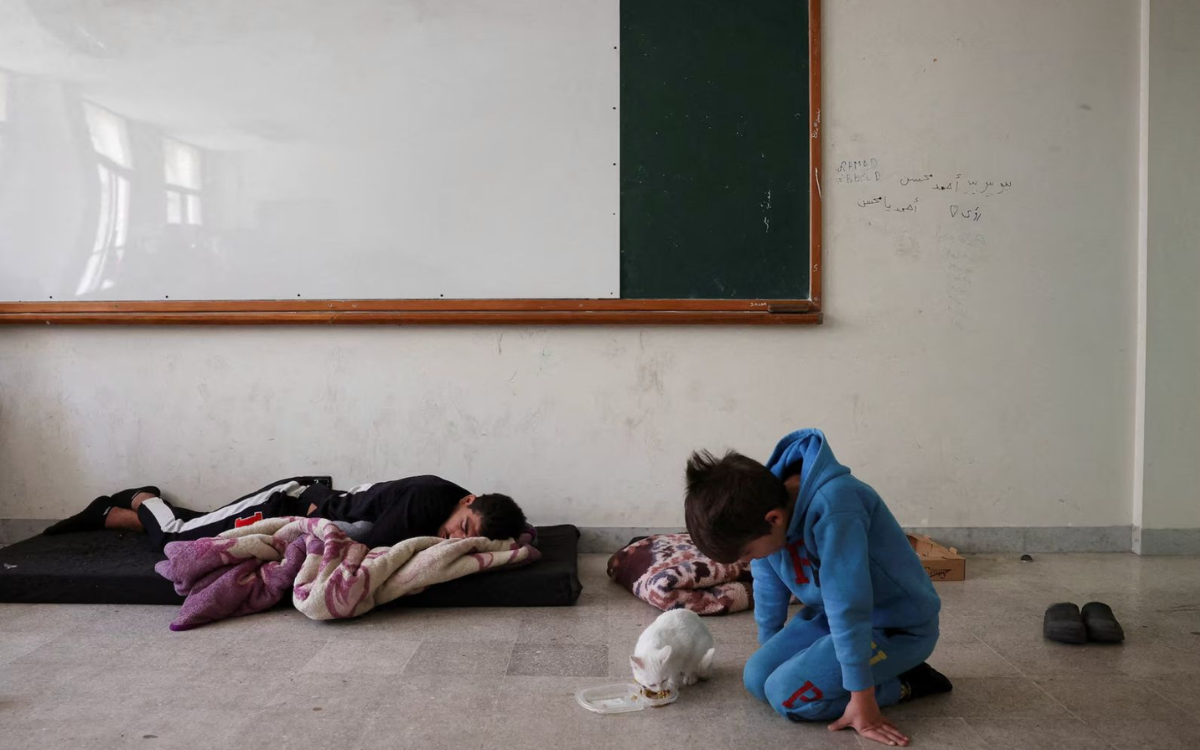
Families are sleeping on the Beirut waterfront. Children are sheltering in stadium tents. Displaced workers are crowding into churches. Across Lebanon, more than 800,000 people have been forced from their homes in under three weeks, and the numbers keep rising.
Israeli attacks have killed at least 850 people and wounded more than 2,100 others in Lebanon since March 2, including 107 children and 66 women, according to the Lebanese Ministry of Public Health. The conflict pulled Lebanon back into a regional war it had barely recovered from.
More than 800,000 people, almost 15 percent of Lebanon's entire population, have been forced to flee their homes since Israel began bombarding the country after Hezbollah launched rockets on Israel in response to the killing of Iran's Supreme Leader Ayatollah Ali Khamenei. Hezbollah had not attacked Israel since the November 2024 ceasefire despite near-daily violations by Israel.
Lebanese Families Seek Shelter in Schools and Stadiums
Only a fraction of the displaced, some 132,000 people according to Lebanese authorities, are in collective shelters. The rest are scattered elsewhere: some staying with relatives, others in half-finished buildings or with host communities, and many sleeping on the streets.
Humanitarian workers say the situation on the ground is chaotic. "People don't really have a place to go to," said Magda Rossman, Country Director for the International Rescue Committee.
"They may stay in their apartments during the day, but at night, when airstrikes happen, they drive to other parts of Beirut and sleep in the car, or they go and sleep on the street, in tents. A lot of people are having to flee at very short notice, and sometimes at night. They leave basically with nothing."
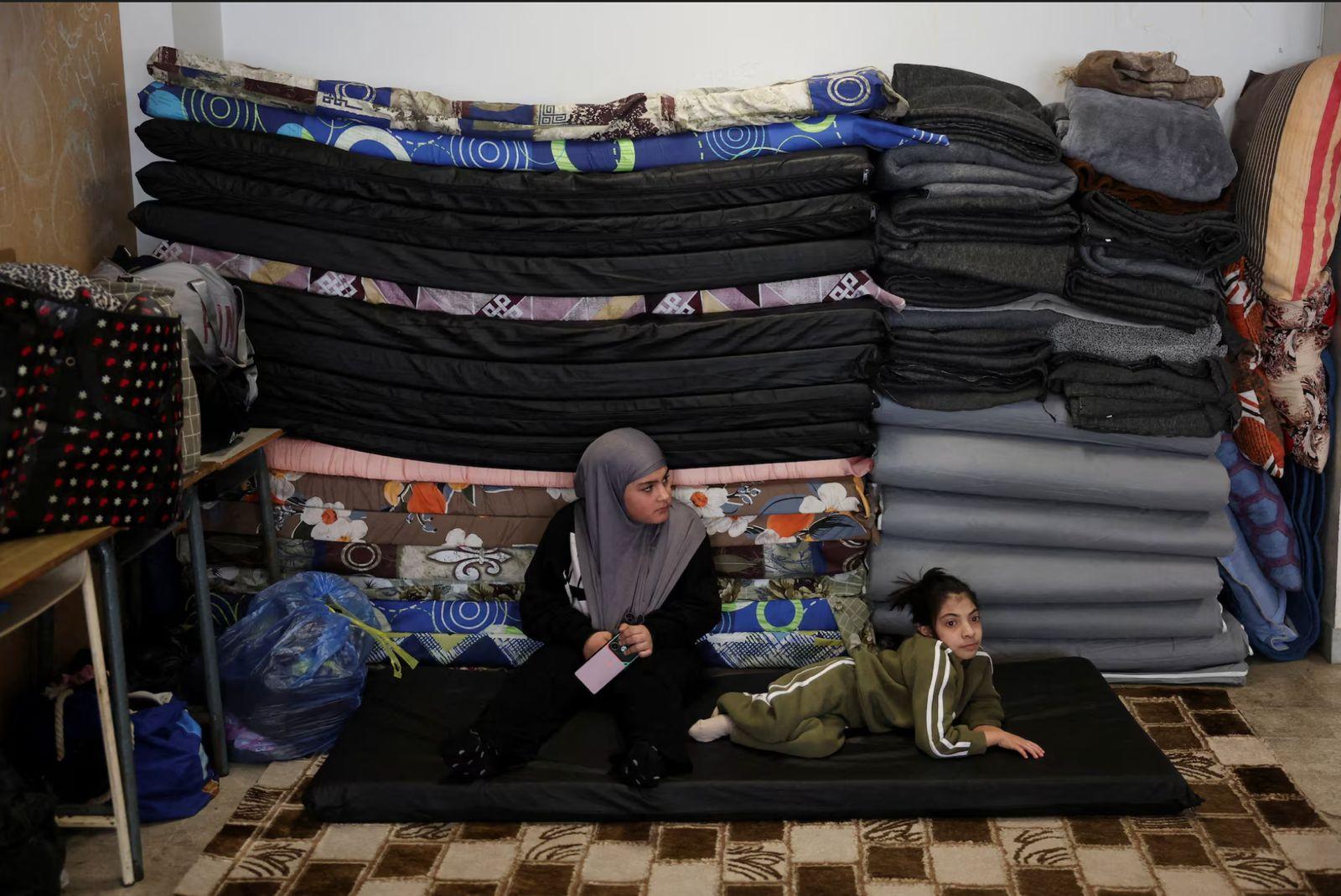
Government shelters are 90 percent full. People whose homes in southern Beirut and southern Lebanon have already been destroyed have nowhere to return to.
The displacement has been driven by sweeping Israeli evacuation orders and waves of intensive bombing covering large areas of southern Lebanon, parts of the Bekaa Valley, and the southern suburbs of Beirut, often forcing thousands to flee at short notice along single roads.
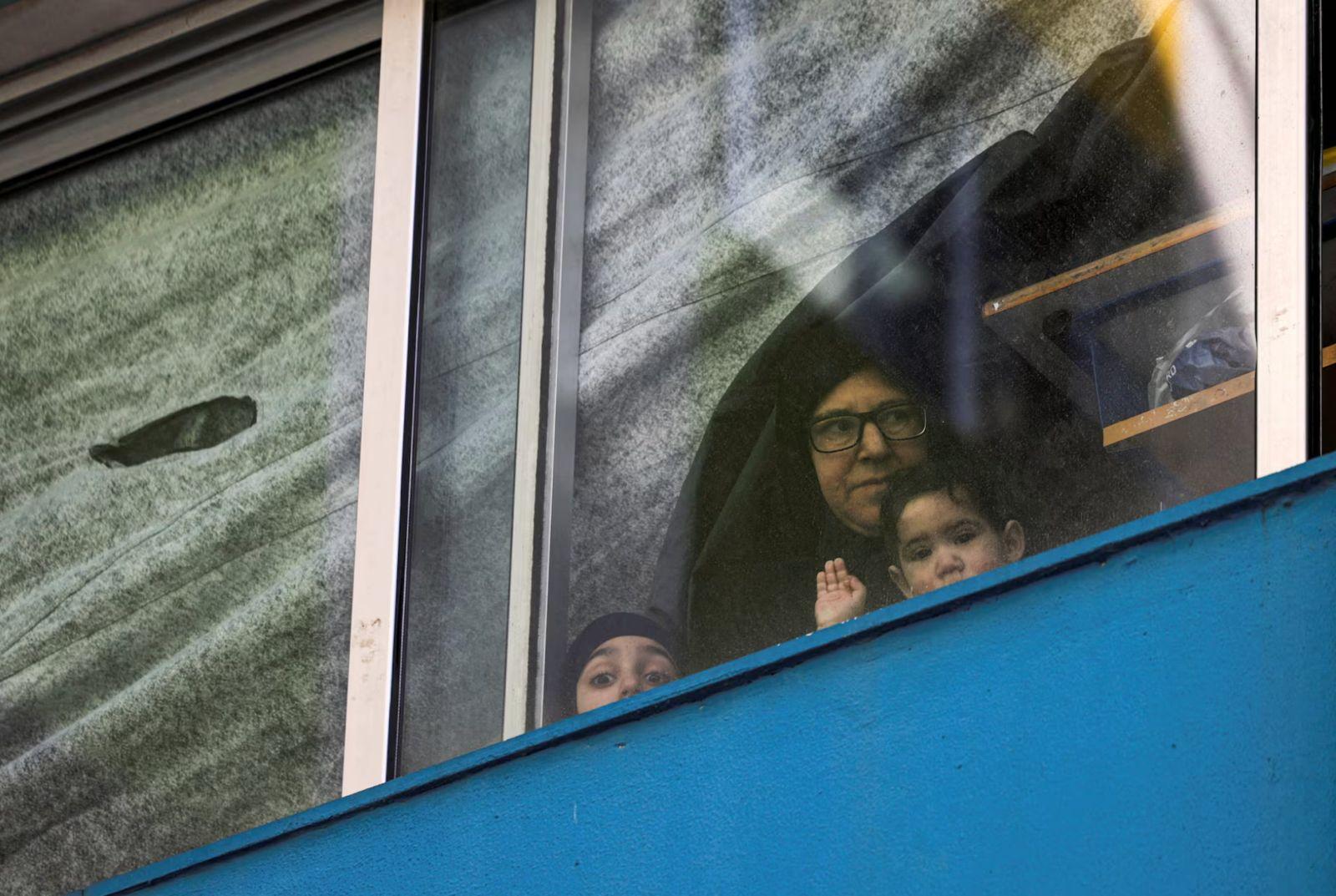
The Israeli military has issued evacuation warnings extending more than 40km from its border to north of the Litani River. Entire towns in the south have emptied out.
UN Launches Emergency Appeal as Lebanon Displacement Accelerates
UN humanitarian chief Tom Fletcher told the UN Security Council that Lebanon faces "a moment of grave peril." He warned that mass displacement is accelerating, with hundreds of shelters overcrowded and lacking adequate sanitation and essential supplies. "These conditions heighten risk of harassment, sexual violence, exploitation, abuse and trafficking, particularly for women and girls," he said.
The United Nations launched a $308 million flash appeal to help Lebanon cope with the fallout of the war.
The UN says about 84,000 Syrians and more than 8,000 Lebanese have crossed into Syria since March 2. Others are seeking refuge in Cyprus, Greece, and Iraq.
"Those numbers are very, very worrying, and every day of the war pushes more people away from their homes and their communities," Fletcher said, adding that Lebanon's crisis is one more consequence of a regional war "spiralling out of control."
The strikes have not been limited to the south. At least 12 people were killed in an Israeli double-tap strike in the seafront area of Ramlet al-Baida, where displaced families were sleeping in tents. An Israeli drone strike on a Lebanese University building in Hadath, near Beirut, killed two academics.
Israeli warplanes also carried out strikes targeting the Kafaat and Haret Hreik areas of Beirut, and another strike hit a residential apartment building in the Doha Aramoun area, which had not been subject to an evacuation order.
The speed of the crisis has stunned even experienced humanitarian workers.
"We're seeing an unprecedented wave of displacement given the amount of time," said Jad El Dilati of the Tahrir Institute for Middle East Policy. "We're only 10 days into this war and south Lebanon is empty."
For Lebanon, a country still rebuilding from the 2024 war, the scale of what is unfolding is almost impossible to absorb.