Kumail Nanjiani Gets Emotional Discussing Treatment of Immigrants in the U.S.
At the Film Independent Spirit Awards, Kumail Nanjiani became visibly emotional while addressing the treatment of immigrants in the United States.
Feb 18, 2026
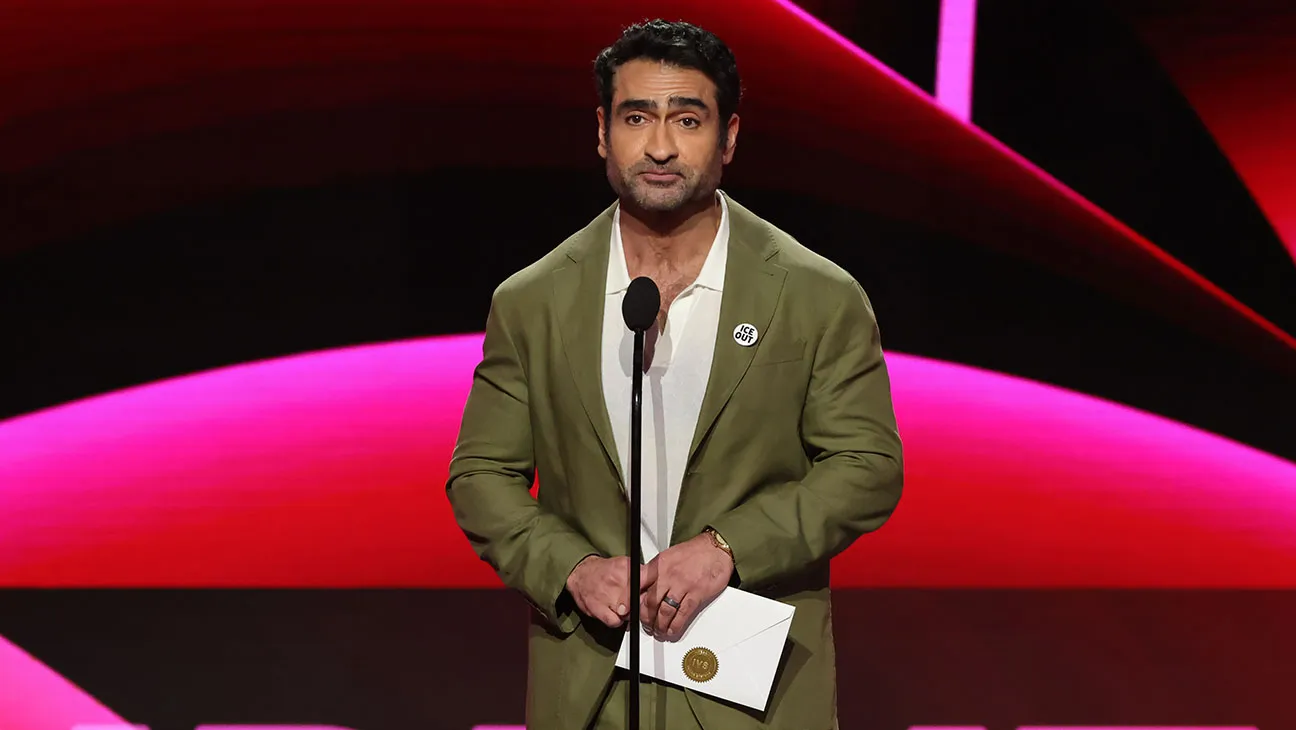
Kumail Nanjiani, the Pakistani-born comedian, actor and writer who rose to wider fame with The Big Sick and later co-created the immigrant-centered anthology Little America, has in recent months used his platform to speak directly about the treatment of immigrants in the United States. His remarks, made publicly at events and in interviews, echo two consistent themes: empathy for people who come to the U.S. seeking safety and opportunity, and frustration at the growing tendency to demonize immigrants in political discourse.
At the Film Independent Spirit Awards in February 2026, Nanjiani became emotional while speaking with an ACLU representative about immigration. He expressed that it is “really, really heartbreaking” to see immigrants, many of whom arrive seeking better lives for themselves and their families, being demonized in public debate. That exchange was captured on video and reported by multiple outlets, and it formed the basis for a wider conversation about celebrity advocacy and the human stories behind immigration headlines.
He also said, “The fact that people can look at their situation and not empathize is really shocking to me.”
Why his perspective resonates
Nanjiani is not speaking only as a public figure; he is speaking from experience. Born and raised in Karachi, he moved to the United States as a young adult, navigated the immigration system, and eventually became a naturalized U.S. citizen. Over the years he has reflected publicly on the complicated nature of belonging, noting in interviews that acquiring citizenship does not automatically erase the sense of being “other” that many immigrants feel, because acceptance often depends on how society sees you. Those personal details give his comments added authenticity and help shift the conversation from abstract policy debates to lived human experience.
From storytelling to advocacy: Little America and beyond
Nanjiani’s work as a storyteller has long been focused on showcasing immigrant stories in their full complexity. ‘Little America ', the Apple TV+ anthology he produced, was explicitly designed to highlight everyday immigrant experiences, the triumphs, the small joys and the painful obstacles, rather than reducing people to stereotypes or political talking points. By bringing real, varied immigrant stories into mainstream entertainment, Nanjiani and his collaborators have helped audiences see immigrants as neighbors, coworkers and friends rather than as a monolithic “issue.”
The stakes of public rhetoric
The concern Nanjiani voiced at the Spirit Awards is not merely rhetorical. Public rhetoric influences policy, enforcement priorities and social attitudes. When prominent figures or political movements paint immigrants as threats, that language can harden into policies that separate families, expand detention or deprioritize due process. Conversely, when trusted voices highlight immigrants’ contributions and human rights, it can build pressure for more humane approaches. Nanjiani’s plea for empathy, that immigrants should be “welcomed with dignity, not demonized,” is therefore a call that connects language, law, and lived outcomes.
What critics and supporters say
Celebrity interventions in political debates often draw mixed responses. Supporters argue figures like Nanjiani can humanize issues for audiences who don’t read policy briefs, using their reach to amplify marginalized voices. Critics sometimes accuse celebrities of oversimplifying complex policy problems or speaking outside their expertise. Yet in Nanjiani’s case, his record, personal immigrant experience, creative work focused on immigrant narratives, and repeated public comments, positions him more as a storyteller and witness than as a detached pundit. That distinction matters for how audiences receive his message.
Why This Matters Now
Nanjiani’s intervention asks a simple but demanding thing: that listeners consider the human consequences of political language and policy. It asks that Americans reckon with the fact that many newcomers come seeking safety, stability, and better futures for their families, motivations that mirror those of earlier immigrant waves that helped build the country. Translating empathy into policy is the harder step: it involves voting choices, advocacy, and civic pressure to ensure laws and enforcement reflect dignity and due process. Nanjiani’s remarks won’t by themselves change statutes, but they can sharpen public sentiment and open space for conversations that center people, not fear.
Kumail Nanjiani’s recent comments about immigrants in the U.S. are rooted in personal experience, creative work, and a moral argument for empathy. Whether one agrees with his politics or not, his public platform helps place immigrant stories in front of broader audiences, a reminder that debates about migration are ultimately about people and families. As the country continues to wrestle with immigration policy, voices that push for dignity and understanding, backed by concrete storytelling, can shift how the public perceives the problem, and, potentially, how policymakers respond.