Inside China’s Huajiang Grand Canyon Bridge: The World’s Highest Bridge
China’s Huajiang Grand Canyon Bridge, the world’s highest, is redefining engineering and transforming travel in mountainous Guizhou.
Feb 26, 2026
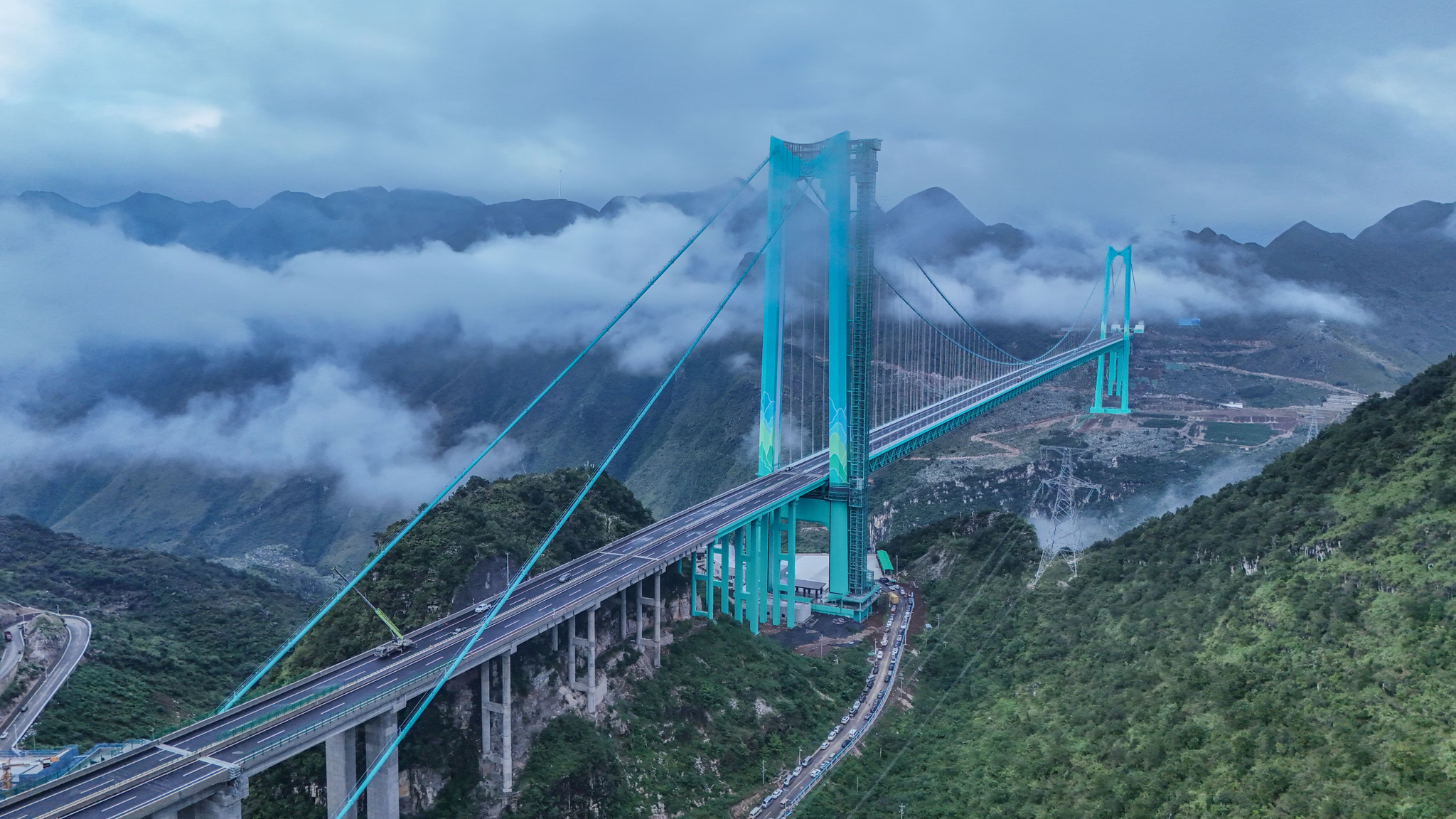
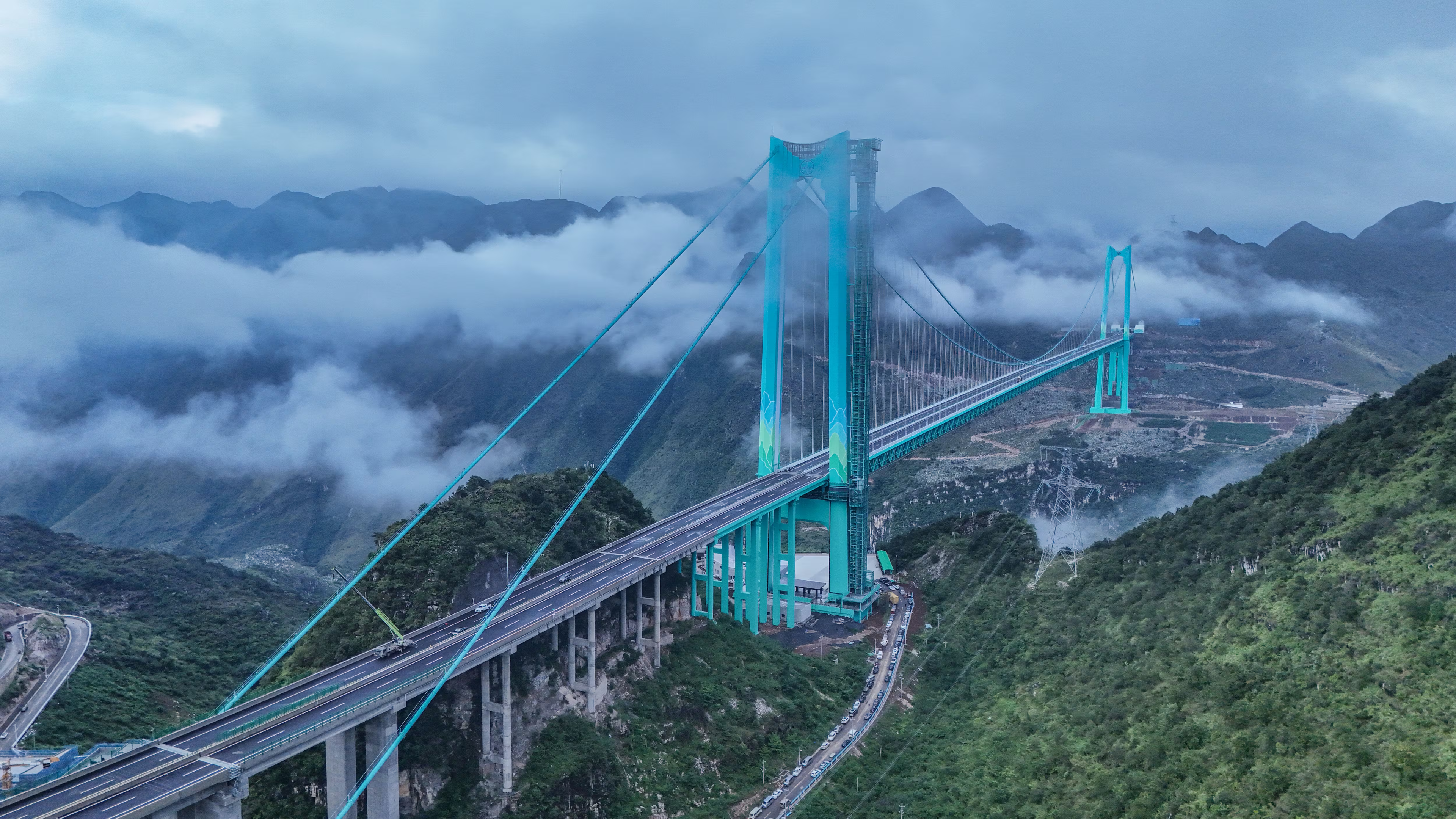
The Huajiang Grand Canyon Bridge is located in Guizhou Province, a mountainous region in southwest China known for its dramatic terrain and deep river valleys. The bridge spans the Beipan River, cutting across the massive Huajiang Canyon, often referred to as an “earth crack” due to its depth and rugged landscape.
Guizhou is already famous for its bridges, with nearly half of the world’s tallest bridges found in this region, making it a global hub for extreme civil engineering.
The World’s Highest Bridge
One of the most remarkable facts about the Huajiang Grand Canyon Bridge is its height. The bridge stands 625 meters (2,051 feet) above the canyon floor, making it officially the highest bridge in the world.
To put this into perspective:
- It is taller than the Eiffel Tower
- Nearly as tall as the Shanghai Tower
- High enough that an entire skyscraper could fit beneath it
This record-breaking vertical clearance surpasses the previous world leader and cements China’s dominance in high-altitude bridge construction.
Key Design and Engineering Features
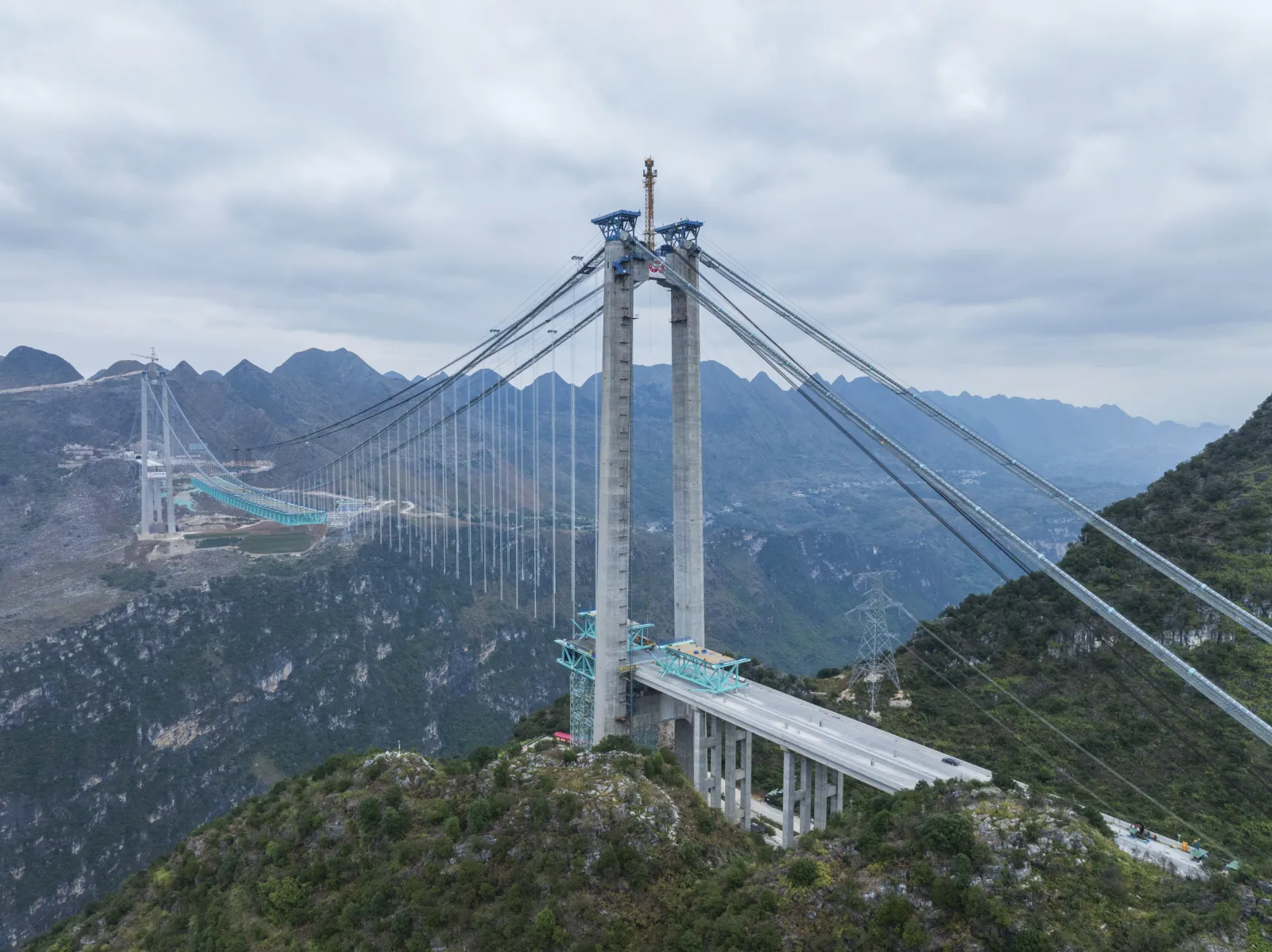
The bridge is a steel truss suspension bridge designed for both durability and efficiency in mountainous terrain. It stretches approximately 2,890 meters (about 2.9 km) in total length, with a main span of 1,420 meters, making it one of the longest suspension bridges in such terrain.
Some standout engineering features include:
- Massive steel trusses weighing around 22,000 tons
- Advanced monitoring systems embedded in the cables
- Construction completed in just over three years
The bridge officially opened to traffic on September 28, 2025, after extensive load testing and construction phases.
Transforming Travel and Connectivity
Before the bridge was built, crossing the Huajiang Canyon could take up to two hours due to the winding mountain roads. Now, the same journey takes just a few minutes, dramatically improving connectivity in the region.
This has significant implications for:
- Local economic development
- Tourism growth
- Faster transport between remote areas
The bridge forms part of the Liuzhi-Anlong Expressway, a key route in southwest China’s infrastructure network.
A Tourism Destination in the Sky
Unlike traditional bridges, the Huajiang Grand Canyon Bridge is designed as a tourist attraction as well as a transport link.
- Visitors can experience:
- A glass walkway suspended high above the canyon
- A glass elevator leading to viewing platforms
- A sky café offering panoramic views
- Planned adventure activities like bungee jumping and paragliding
These features are part of China’s strategy to combine infrastructure with tourism, turning engineering projects into global attractions.
Why China Builds Mega Projects Like This
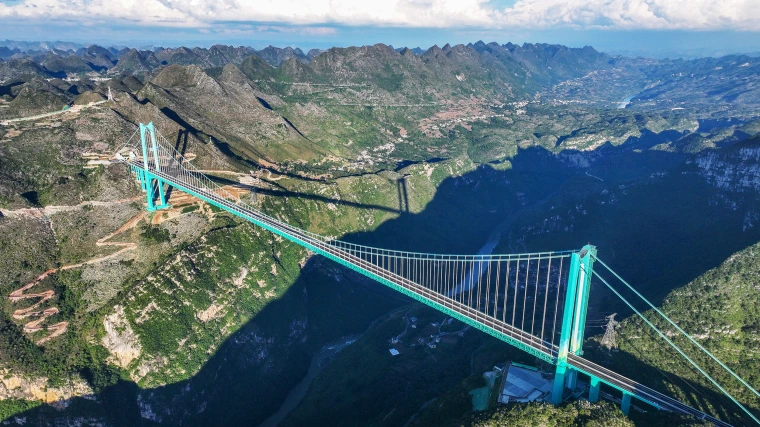
The Huajiang Grand Canyon Bridge reflects a broader trend in China’s infrastructure strategy. These projects are not just about transportation, they are also about:
1. Showcasing Engineering Leadership
China leads the world in building high bridges, especially in difficult terrains.
2. Boosting Tourism
Iconic structures attract both domestic and international visitors.
3. Regional Development
Bridges like this connect remote areas, reducing isolation and improving economic activity.
4. Innovation in Construction
The project introduced new techniques and technologies, including advanced cable systems and structural monitoring.
Challenges and Criticism
Despite its success, the project has not been without criticism. Some experts have raised concerns about:
- The high cost of mega infrastructure projects
- Financial pressure on local governments
- Environmental and sustainability considerations
However, supporters argue that the long-term economic and tourism benefits outweigh these concerns.
The Huajiang Grand Canyon Bridge is undeniably one of the most impressive engineering achievements of the 21st century. Standing higher than any bridge before it, it represents a blend of innovation, ambition, and strategic development. From cutting travel time dramatically to offering sky-high tourist experiences, this bridge is redefining what infrastructure can be.