Indonesia to Ban Social Media for Children Under 16
The country becomes the first in Southeast Asia to restrict minors from high-risk platforms, following similar moves in Australia and Malaysia.
Mar 7, 2026
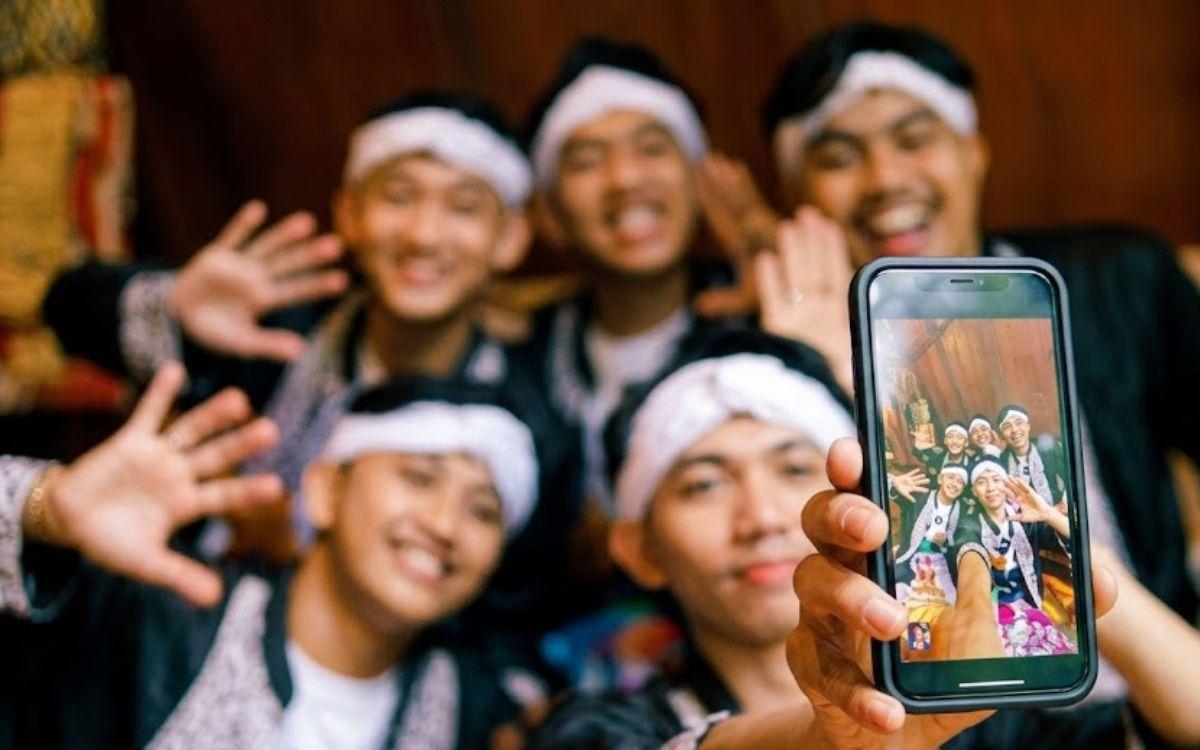
Indonesia has banned children under 16 from social media, making it the first country in Southeast Asia to put age restrictions on digital platforms.
Communication and Digital Affairs Minister Meutya Hafid signed the regulation on Friday. Under the new rule, children under 16 can no longer hold accounts on high-risk digital platforms, including YouTube, TikTok, Facebook, Instagram, Threads, X, Bigo Live, and Roblox. Implementation will begin gradually from March 28 until all platforms meet their compliance obligations.
"The basis is clear. Our children face increasingly real threats," Hafid said in a statement. "From exposure to pornography, cyberbullying, online fraud, and most importantly addiction. The government is here so that parents no longer have to fight alone against the giant of algorithms."
Indonesia Social Media Ban: A Risk-Based Approach
Unlike Australia, which banned all users under 16 from social media altogether, Indonesia is taking a more age-gated approach. Children aged 13 and older will be able to use platforms classified as lower-risk, while higher-risk platforms will only be accessible to users above 16.
The regulation makes clear that sanctions will target platforms, not children or parents. Penalties will apply to digital companies that fail to meet child protection obligations, including effective age verification systems, safer default settings for young users, and tools to limit harmful content.
The announcement came one day after Indonesia's Ministry of Communication conducted a surprise inspection of Meta's Jakarta office, issuing a stern warning over the company's low compliance with national regulations on online gambling and disinformation.
Why Indonesia Is Banning Children From Social Media
The numbers behind the policy are stark. Approximately 299 million Indonesians are connected to the internet, and nearly 80% of the country's children actively use online platforms.
According to UNICEF figures cited by the government, around half of Indonesia's children have encountered sexual content on social media, and 42% said the experience made them feel frightened or uncomfortable.
Beyond explicit content, officials pointed to cyberbullying, contact with strangers, and addictive platform design as drivers of the policy.
Countries Banning Children From Social Media
Indonesia is not acting alone. Australia introduced similar restrictions for teens in December 2025, and since then social media companies have deactivated about 4.7 million accounts identified as belonging to children.
Denmark secured broad parliamentary support in late 2025 for a ban on social media for children under 15. Greece and Italy are also advancing comparable legislation, while Malaysia and Turkey have both drafted bills to restrict access for minors.
Not everyone is convinced that bans are the right tool. Amnesty International has described Australia's ban as an "ineffective quick fix," with its Tech Programme Director Damini Satija arguing it is "out of step with the realities of a generation" that grew up online.
Digital rights groups in Southeast Asia have raised separate concerns about enforcement. Mandatory age verification could require children and families to submit government identification to global tech platforms, raising questions about data privacy and the risk of personal information being exposed.
For now, Indonesia is pressing ahead. The government has said the goal is not to disconnect children from the internet entirely, but to ensure they use it safely and at the right age.