IEA Recommends Work From Home to Combat Global Oil Crisis
The world's top energy agency has a 10-point plan to ease the global oil crisis, and skipping your commute is step one.
Mar 23, 2026
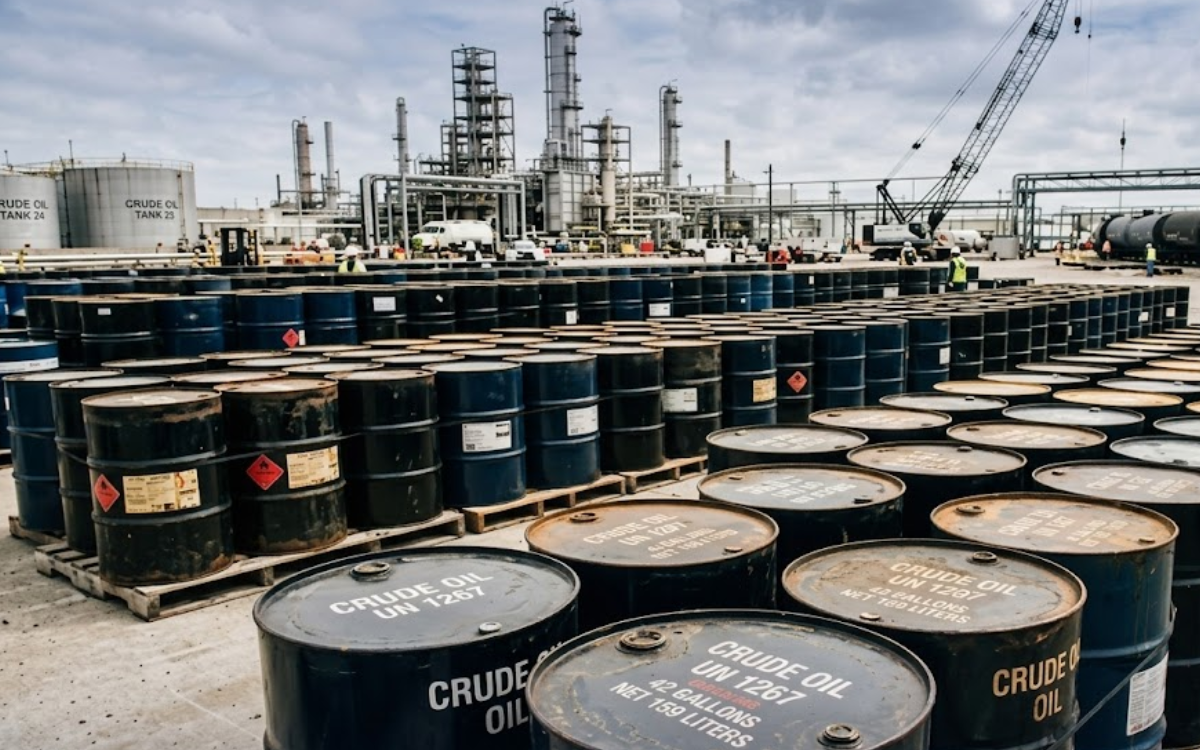
The world's energy watchdog wants you to stay home. With oil prices blowing past $100 a barrel and fuel costs squeezing households worldwide, the International Energy Agency has released a sweeping set of recommendations urging governments, businesses, and individuals to cut fuel use fast.
The IEA's report, titled Sheltering From Oil Shocks, details 10 demand-side options designed to ease the strain on consumers and energy markets. The agency says supply-side fixes alone will not be enough, and that reducing consumption can deliver relief faster than waiting for disrupted production to recover.
The trigger is the ongoing conflict in the Middle East. The crisis has created what the IEA calls the largest supply disruption in the history of the global oil market, with shipping through the Strait of Hormuz, which normally carries around 20% of global oil consumption, reduced to a trickle. Around 20 million barrels per day typically passed through that narrow corridor. Now, barely any do.
Brent crude ended 2025 at around $60 per barrel. Since the conflict escalated, it has nearly doubled, hitting close to $120 before pulling back slightly. Consumers are absorbing the hit at the pump, on their gas bills, and at the airport.
IEA Recommends Work From Home as First Step in 10-Point Oil Crisis Plan
The agency's first and most prominent recommendation is remote work. Three additional remote workdays per week, for those whose jobs allow it, could cut national oil consumption from cars by 2% to 6%, with average potential reductions of around 20% for individual drivers.
The IEA estimates that roughly one-third of jobs in advanced economies could be performed remotely, compared to about one-fifth in developing countries. Governments are being urged to lead by example, including by reducing operations in public buildings on certain days.
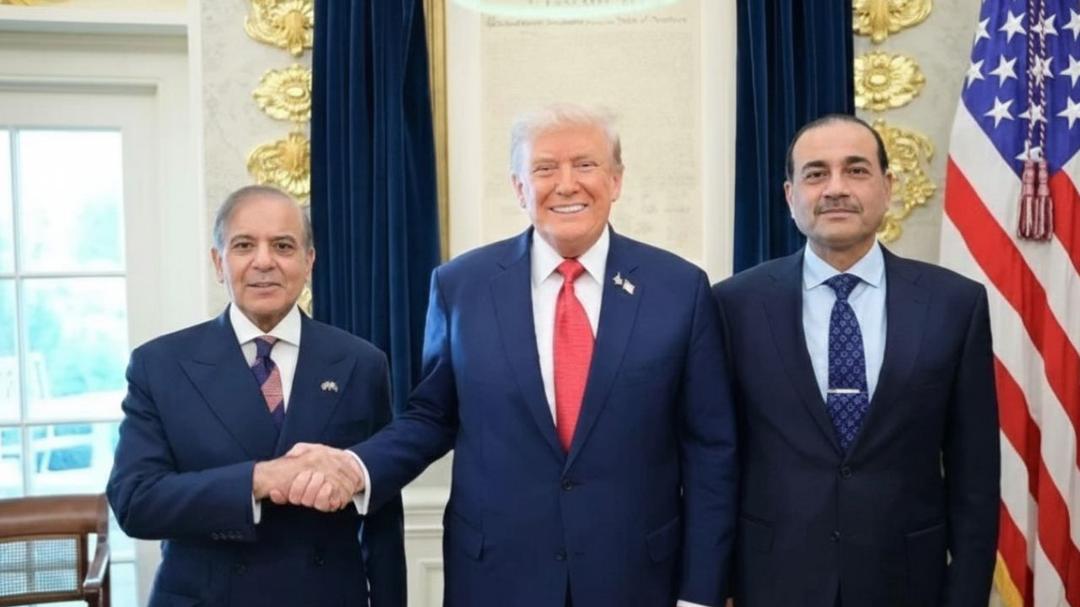
Some countries have already acted. The Philippines and Pakistan have introduced four-day work weeks for government employees, while Sri Lanka has shut public offices on Wednesdays. Thailand, Vietnam, and Lao PDR are actively promoting working from home.
The IEA's other road transport recommendations include lowering highway speed limits by at least 10 km/h, encouraging a shift from private cars to public transport, introducing odd-even number plate schemes to limit urban car access on certain days, and promoting carpooling and more fuel-efficient driving habits.
IEA Oil Crisis Advice: Fly Less, Cook Differently, Cut LPG Use
Beyond the daily commute, the IEA is asking people to rethink how they travel and cook.
Business flights could be reduced by around 40% in the short term, and if widely adopted through corporate travel reduction efforts, this could lower jet fuel demand by between 7% and 15%. Jet fuel accounts for about 7% of global oil demand, and the market has looked particularly vulnerable to an extended loss of Middle East production.
On cooking, the IEA recommends shifting LPG use away from vehicles and toward essential household applications like cooking, while encouraging uptake of electric cooking and other modern alternatives to reduce reliance on LPG altogether. This matters most in developing regions where LPG cylinders are a daily necessity for millions of families.
For industry, the agency suggests leveraging flexibility with petrochemical feedstocks to free up LPG for essential uses, alongside short-term efficiency and maintenance measures to reduce oil consumption.
IEA Executive Director Fatih Birol warned that without a swift resolution to the Iran conflict, the impacts on energy markets and economies will become increasingly severe. He described the 10-point plan as a menu of concrete, immediate steps that governments, businesses, and households can act on now.
On the supply side, IEA member countries agreed in March to release 400 million barrels of oil from emergency reserves, the largest such stock draw in the agency's history. But officials have been clear that reserves alone cannot fill the gap left by the Hormuz disruption.
Restoring shipping traffic through the Strait of Hormuz remains the single most important step to stabilizing global energy markets, the IEA said. Until that happens, the message from Paris is straightforward: drive less, fly less, and where you can, just stay home.