How Shabana Mahmood Could Become UK’s First Muslim Prime Minister
Shabana Mahmood could become the UK’s first Muslim prime minister if Keir Starmer resigns and she wins a Labour leadership contest.
Feb 9, 2026
British politics has been marked by mounting speculation about the future of Prime Minister Keir Starmer’s leadership following recent controversies and political setbacks. The resignation of Starmer’s chief of staff, Morgan McSweeney, over the handling of the appointment of Peter Mandelson as ambassador to the United States has sparked intense debate and questions about confidence within the ruling Labour Party. This development has heightened media focus on possible successors, with several senior figures mentioned in public and bookmaking circles as potential contenders for the prime ministership.
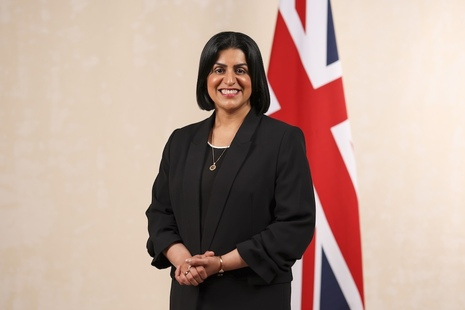
In this context of pressure and leadership uncertainty, Shabana Mahmood, the UK’s Home Secretary, has emerged in discussions as a possible future leader of the Labour Party, and under the constitutional norms of the UK system, a potential candidate to become the United Kingdom’s first Muslim prime minister if Starmer were to step down.
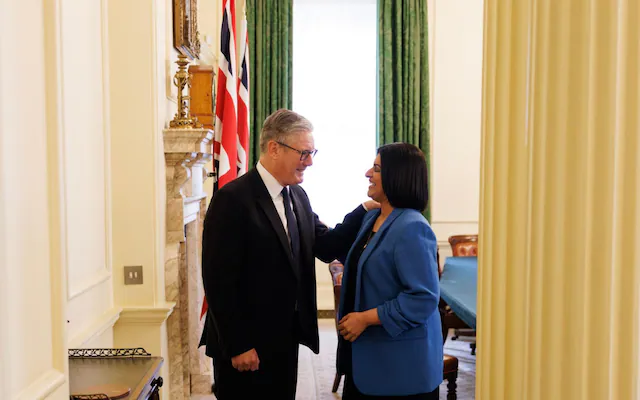
Who is Shabana Mahmood?
Shabana Mahmood is a British politician and barrister who has served as the Secretary of State for the Home Department (Home Secretary) since September 2025. She has represented Birmingham Ladywood in Parliament since 2010 and held several senior posts within the Labour Party, including Secretary of State for Justice and Lord Chancellor.
Mahmood’s appointment as Home Secretary came during a major Cabinet reshuffle that followed the resignation of Deputy Prime Minister Angela Rayner and saw longstanding ministers move to new roles. As Home Secretary, she oversees key national portfolios including policing, national security and immigration, all central to the government’s priorities.
Her career trajectory into senior government roles reflects longstanding involvement in Labour politics, first as a shadow cabinet member during years in opposition and then moving into government after Labour’s victory in the 2024 general election.
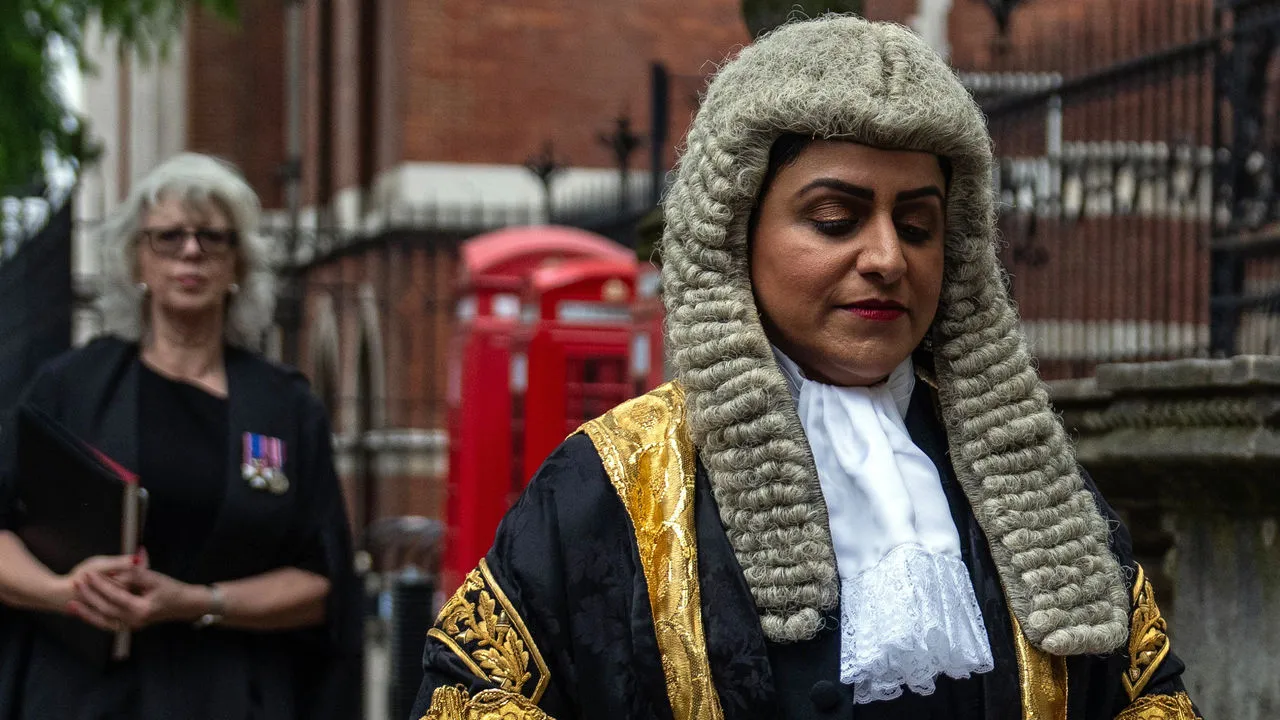
Mahmood is also noted for her background and identity; she is among the UK’s most prominent Muslim politicians and was one of the first female Muslim MPs when first elected in 2010.
Understanding the UK Leadership Process
In the United Kingdom’s parliamentary system, the prime minister is not elected directly by the public in a separate executive vote. Instead, the prime minister is typically the leader of the political party that holds a majority in the House of Commons. If the sitting prime minister resigns, either voluntarily or under pressure, the governing party conducts an internal leadership election, and its chosen leader is then invited by the monarch to form a government as prime minister.
For the Labour Party, this process involves candidates securing a minimum number of nominations from Labour MPs to appear on the leadership ballot, followed by a vote among the wider party electorate, generally including party members and registered supporters. The winner of that contest becomes the next leader of Labour and, so long as Labour still holds a majority in the Commons, the next prime minister.
This means that even if Starmer were to resign, no single individual automatically becomes prime minister; instead, prospective candidates, including Mahmood, would need to compete in the party’s leadership process and secure sufficient political support to prevail.
Why Mahmood Is Being Discussed as a Potential Successor
Media speculation linking Mahmood with the possibility of succeeding Starmer has grown amid political turbulence within Labour. Commentary and reporting highlight her senior Cabinet role, her public profile, and her record as a high-profile MP as factors contributing to her being mentioned among likely contenders should a leadership contest arise.
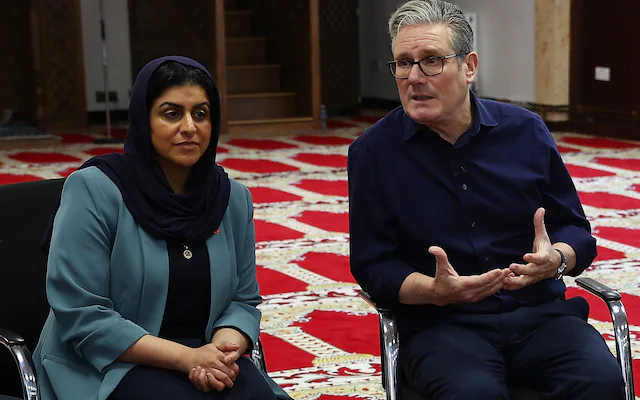
Bookmakers and political analysts have placed her among a shortlist of figures that also includes other senior Labour ministers and Deputies, reflecting an assessment by some observers of her standing within the party and government.
It is important to note, however, that speculation in news media is reflective of political commentary and odds-making, not formal party decisions. Actual leadership outcomes depend on internal party mechanisms and support from Labour MPs and party members.
If Labour Chooses a New Leader
If Mahmood were to win a Labour leadership contest and Labour remained in government, she would become the United Kingdom’s first Muslim prime minister, an unprecedented milestone in British politics. No person of Muslim background has held the UK’s highest political office to date, making such a development historically significant.
Such an event would reflect broader trends toward greater diversity in UK political leadership but would also hinge on electoral and party outcomes, not just individual ambition.
Constraints and Political Realities
While media coverage and speculation can elevate figures into public discourse, several practical constraints shape actual leadership prospects:
- Party Nominations: Mahmood would need to secure the requisite number of nominations from Labour MPs to enter a leadership contest, a threshold designed to show broad parliamentary backing.
- Party Vote: Winning the wider Labour membership and any affiliated electorates is essential to succeeding in a leadership contest, and this is not guaranteed even for sitting Cabinet ministers.
- Competition for Leadership: Other senior Labour figures may also contest and attract significant support, making any leadership race competitive rather than predetermined.
Thus, while Mahmood’s name appears in discussions about possible successors, substantive political processes remain the determining factors.
In the context of current political uncertainty within the UK’s governing Labour Party, Shabana Mahmood’s profile has risen in public and media discussions about potential successors should Prime Minister Keir Starmer resign. Under the UK’s constitutional practice, any new prime minister following a resignation emerges from the governing party’s internal leadership process, not through a direct public election for the prime ministership. Mahmood’s seniority, experience and public profile mean she could, in theory, become Labour leader and, if successful, the UK’s first Muslim prime minister. However, this outcome is contingent on internal party support and the results of a leadership contest, rather than being an automatic consequence of a resignation.