Heathrow Scraps the 100ml Liquid Rule After Dubai: What It Means for Travelers
After nearly two decades, the 100ml liquid rule is being phased out at major airports, with Heathrow following Dubai’s lead in using advanced scanners to simplify airport security.
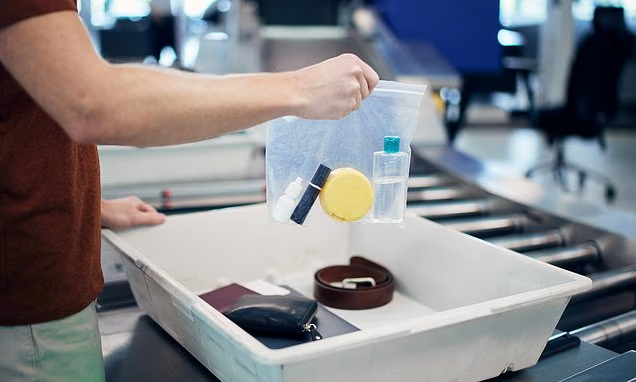
For nearly two decades the ritual was the same: wrestle your toiletries into a tiny clear bag, pray the bottle tops don’t leak, and line up for the x-ray with your laptop flashing its lonely blue glow. That ritual, the 100-millilitre limit on liquids in hand luggage, was a practical response to a very specific security threat uncovered in 2006. But new imaging technology has now made the rule far less necessary: Heathrow Airport has completed a full rollout of advanced computed-tomography (CT) scanners and ditched the 100ml restriction for departing passengers, after Dubai became one of the first major international hubs to roll out similar systems.”
Why 100ml was introduced and why it’s changing now
The 100ml rule was born from a foiled terrorist plot where liquid explosives were to be disguised in everyday containers. The response, a global standard that limited container size and required liquids to be placed in a clear resealable bag, was effective, but cumbersome. CT scanners now provide high-resolution 3D images of a bag’s contents, allowing security officers (and automated software) to inspect liquids, electronics and other items without requiring them to be removed. That shift in capability is what’s behind the policy change at major airports.
What’s different for travelers
At Heathrow, passengers travelling through lanes equipped with the new scanners can keep liquids and large electronics in their hand luggage, and the airport has said containers of up to about two liters are now acceptable in a single bag for departing passengers. The practical result is less unpacking, fewer torn clear plastic bags, and a speedier flow through security for those using CT-enabled lanes. However, this relaxed limit currently applies to departures from airports that have completed the upgrade; arrival, and transfer rules at other airports. Specific airline or national rules may still require the 100ml packaging, so travelers are wise to check before they fly.
Dubai: An early adopter for passenger convenience
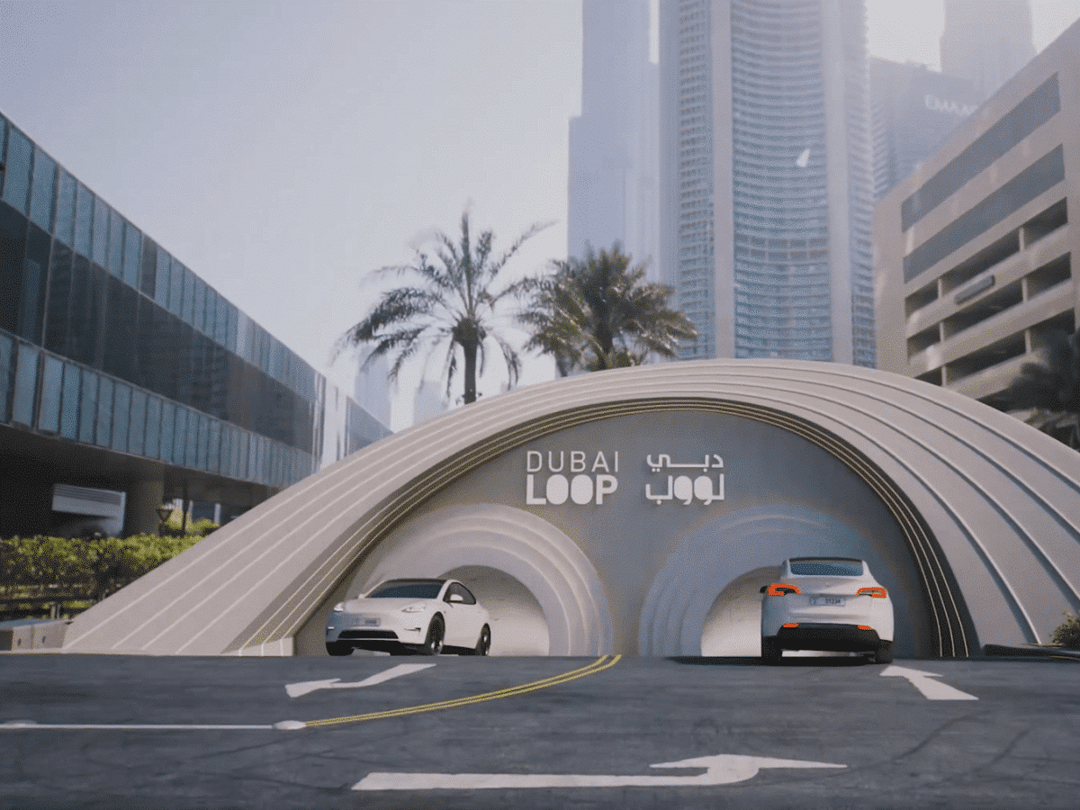
Dubai International Airport (DXB) has been a high-profile adopter of CT technology. Over the past year Dubai implemented scanners across key terminals with the stated goals of reducing queues and eliminating the need to remove laptops and liquids during screening. The UAE’s aviation agencies contracted established security manufacturers and ran large-scale deployments, which helped build the operational case for other airports, including Heathrow, to push ahead with full rollouts.
The tech underneath: CT scanners, AI and 3D imaging
These are not medical CTs exactly, but computed-tomography baggage scanners that create a three-dimensional view of a bag. The software can rotate the image, highlight suspicious items, and pair automated detection with trained officers’ judgement. Many vendors now include object-recognition algorithms that reduce false positives and speed decision making. The improvements translate into two practical benefits: enhanced threat detection and smoother passenger flow. Critics and privacy advocates still want clear transparency on how algorithms flag items and how images are used, but manufacturers and airports stress that the systems are tested and certified to aviation security standards.
What this means for sustainability and passenger experience
Removing the 100ml requirement does more than save time. Millions of tiny plastic bags were used every year to hold liquids at security; allowing liquids to remain in bags could dramatically cut that single-use plastic waste. From a passenger experience point of view, the change reduces “security friction,” fewer forgotten bottles confiscated, less last-minute panic at checkpoints, and fewer flat-out re-packing jobs while dozens of people stare. Airports hope the combined effect will be shorter queues and happier travelers.
What to know before you pack
Not yet universal. Many airports worldwide still require the 100ml limit because they have not completed CT rollouts or because national rules differ. If you have a connection, the onward airport’s rules can apply. Always check the departure and transit airports’ published guidance.
Exemptions remain. Medicines, baby food and dietary items often have separate allowances and may still require declaration or proof.
Security is adaptive. A change in technology or in the threat picture could prompt different rules later. The new scanners reduce friction but do not eliminate security checks; if an item looks suspicious it will still be inspected or confiscated.
What to do before you fly
Before travelling, check the official airport pages for the departure and any transfer airports. Airports that have completed CT rollouts (Heathrow among them) will advertise the change; others may still enforce 100ml limits. Keep essential medicines and baby food accessible and carry prescriptions if applicable. If you pack more liquids than you believe other airports will allow, consider placing them in checked luggage, especially on complex, multi-stop journeys.
Heathrow’s £1 billion investment in next-generation screening is a signal: aviation security is entering a phase where smarter imaging and automated analysis make older, blunt instruments (like the 100ml rule) less necessary. That does not mean security is being relaxed, rather, it’s being made more targeted. If more airports follow suit, passengers will likely enjoy simpler packing and shorter queues. But the transition will be patchwork: for now, the familiar clear bag still has a role on many itineraries.
The 100ml bottle was never glamorous, but it became one of travel’s defining rituals. Its removal at major hubs is a small change with outsized everyday impact, less hassle, less plastic, and more time to enjoy the airport coffee. Just don’t toss your travel checklist yet: with global rules still in flux, a final glance at the airport website before you go will keep your toiletries, and your sanity, intact.