
GLP-1 Drugs Like Ozempic May Help Treat Substance Use Disorders
A study of 600,000 people found that GLP-1 medications reduced the risk of addiction across alcohol, opioids, cocaine, nicotine, and cannabis.
Mar 7, 2026
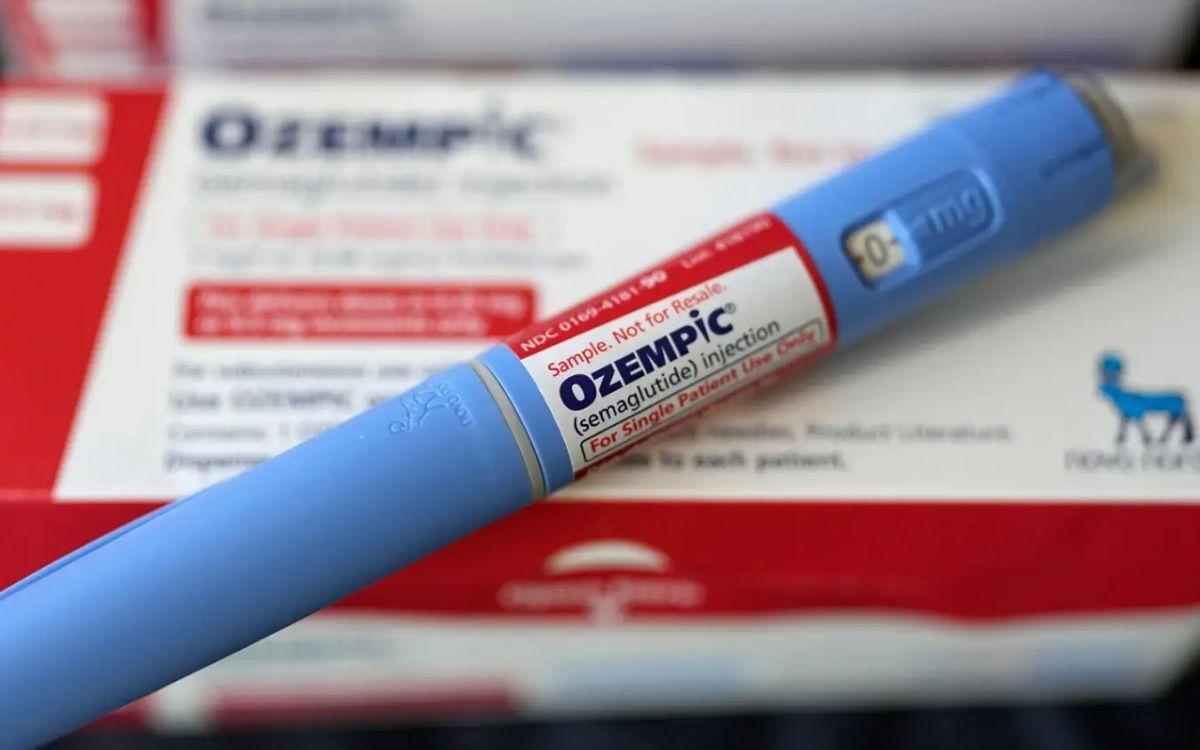
Drugs like Ozempic and Wegovy were designed to treat diabetes and obesity. A major new study suggests they may also help fight addiction across every major substance, from alcohol to opioids to cocaine.
The results, published March 4 in the BMJ, come from an analysis of more than 600,000 US veterans with type 2 diabetes at the VA health care system. Researchers at Washington University School of Medicine in St. Louis compared people who took GLP-1 medications with those on a different diabetes drug and tracked outcomes over three years.
The findings were striking on both fronts: the drugs appeared to prevent addiction from developing in people who had no prior history of substance use disorder, and they significantly reduced serious harms in those who already had one.
GLP-1 Drugs and Addiction Risk Reduction
Among people with no prior substance use disorder, GLP-1 use was associated with a 14% reduced risk of developing any substance use disorder. The risk dropped by 18% for alcohol, 14% for cannabis, 20% for cocaine and nicotine, and 25% for opioids. This translated to seven fewer new substance use disorder diagnoses per 1,000 GLP-1 users.
The protective effects emerged within the first year and held steady through the third year of observation.
For people already struggling with addiction, the results were even more dramatic. After three years, there was a 30% reduction in emergency department visits, a 25% reduction in hospitalizations, a 40% reduction in overdose, and a 50% reduction in drug-related deaths. That translated to 12 fewer serious harm events per 1,000 GLP-1 users.
"In addiction medicine, a lot of treatments target just one thing," said lead author Dr. Ziyad Al-Aly, a clinical epidemiologist at WashU Medicine and chief of research and development at the VA Saint Louis Health Care System. "The revelation about GLP-1 medication is that it really works against all major substances, and it works uniformly."
How GLP-1 Drugs May Silence Cravings
The hormone's receptors are found in the brain's mesolimbic system, the circuits that control reward, motivation, impulse control, and stress. If GLP-1 drugs act on this system in humans, they may dampen cravings across all substance types, not just one.
People taking GLP-1s for weight loss have long described a quieting of "food noise," the persistent mental pull toward eating. Researchers say something similar appears to be happening with addictive substances. Patients have reported losing interest in alcohol, cigarettes, and other drugs without making any deliberate effort to quit.
A Swedish nationwide study of 227,000 people with alcohol use disorder found that those on GLP-1 drugs had a 36% lower risk of alcohol-related hospitalizations, more than double the benefit seen with naltrexone, currently the best-performing approved medication for alcohol use disorder.
What Still Needs to Be Proven
Researchers are cautious about overstating the findings. The study was observational, not a randomized controlled trial, meaning it shows association, not definitive causation. The population studied was mostly older male veterans, though a subset analysis of women showed similar trends.
More than a dozen randomized trials are already underway or enrolling to test GLP-1 drugs directly for addiction. Novo Nordisk, the maker of Ozempic, has said it will study its drug's effects in a trial involving people with alcohol-related liver disease. Eli Lilly is testing an experimental drug called brenipatide on alcohol, tobacco, and opioid use disorders.
About 50 million people in the United States are living with a substance use disorder, according to the National Institute on Drug Abuse, and only a small fraction receive medication-based treatment. If GLP-1 drugs prove effective in controlled trials, their wide availability through primary care doctors could make them the most broadly prescribed addiction treatment in history.