
Elon Musk’s Tesla Semi Begins Commercial Operations After Years of Delays
After years of setbacks, Tesla’s Semi is finally entering real commercial service, marking a major step forward for electric freight and heavy-duty transport.
Feb 6, 2026
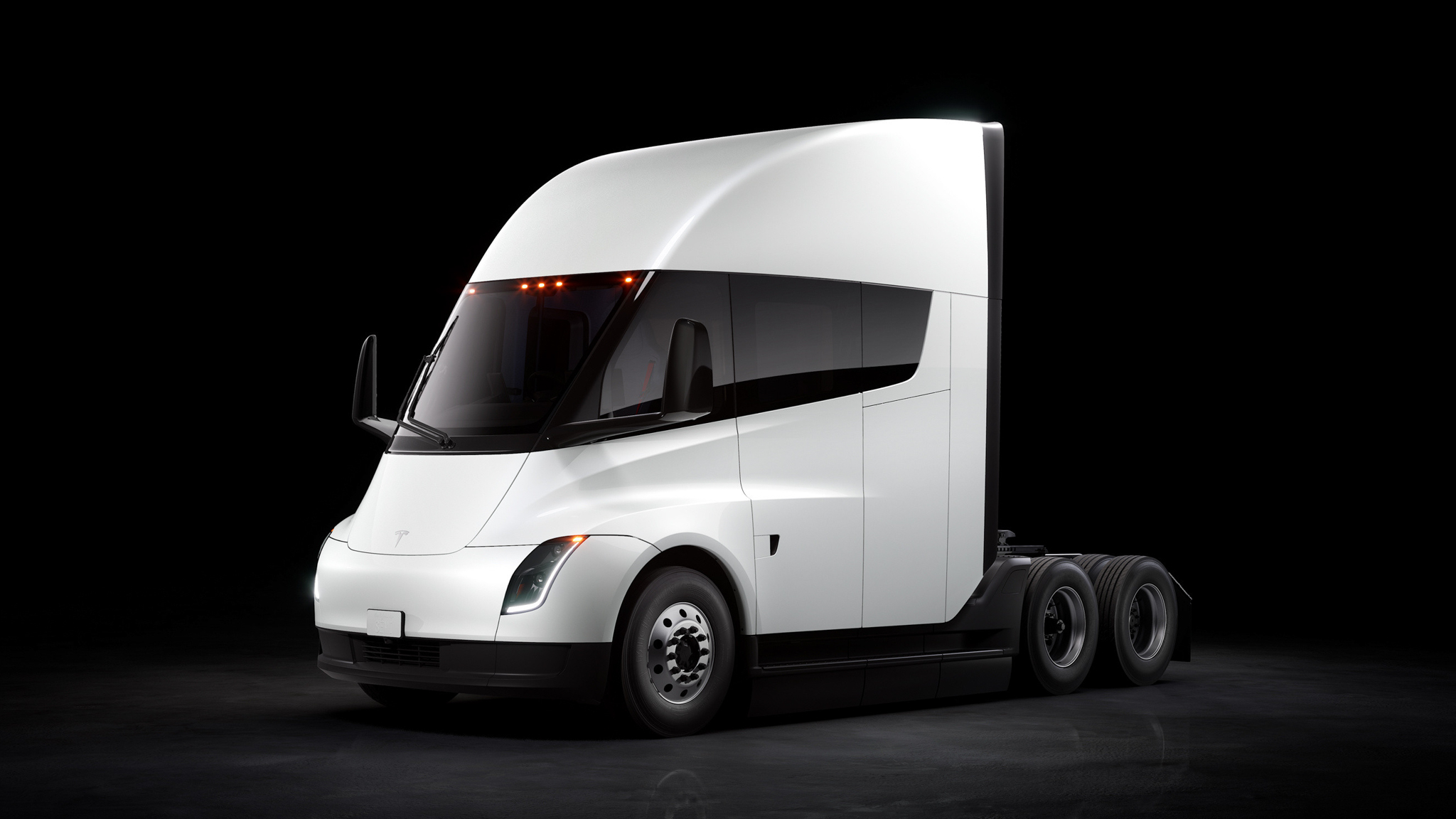
For nearly a decade, Elon Musk’s Tesla Semi has been one of the most anticipated, and most delayed, vehicles in the electric mobility world. First unveiled as a concept truck in 2017, the all-electric Class 8 tractor-trailer aimed to revolutionize heavy-duty freight transport with zero emissions, lower fuel costs, and futuristic performance. After countless setbacks, prototype sightings, and production pushbacks, the Semi is finally beginning to hit public roads in real service, marking a watershed moment for electric commercial trucking, and a defining chapter in Tesla Inc.’s broader evolution.
From Vision to Reality
When Musk first revealed the Tesla Semi nearly a decade ago, he promised a truck “like nothing else on Earth,” with faster acceleration, lower operating costs, and industry-leading efficiency. However, more than eight years passed before deliveries began even in limited form. Production initially started in October 2022, and a handful of units were delivered to PepsiCo in late December 2022 as part of early fleet testing.
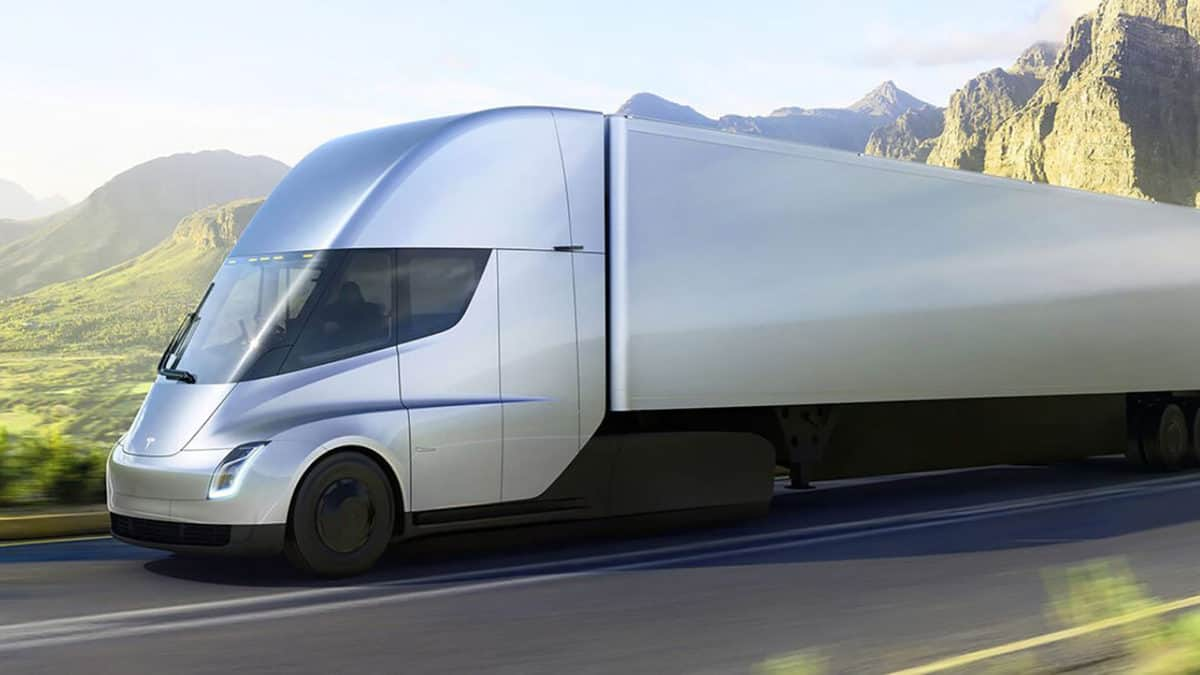
That launch represented a symbolic milestone: the first time Tesla had moved its heavy-duty truck from concept to real equipment, actually rolling off an assembly line. But the story didn’t stop there. While that early delivery was significant, it didn’t mean the Semi was widely on the road, nor did it mark mass production. For years afterward, sightings of the Semi were rare, and the vehicle remained more of a promise than a presence in commercial logistics.
2026 - The Year the Semi Finally Breaks Out
All that changed in early 2026. According to Forbes, the Semi has “finally hit the road,“ not just in isolated test drives, but in actual use cases that signal the truck’s transition to broader operation. These sightings show the Electric Semi in real-world settings, moving freight and engaging in the kind of day-to-day activity that has eluded it for most of its development life.
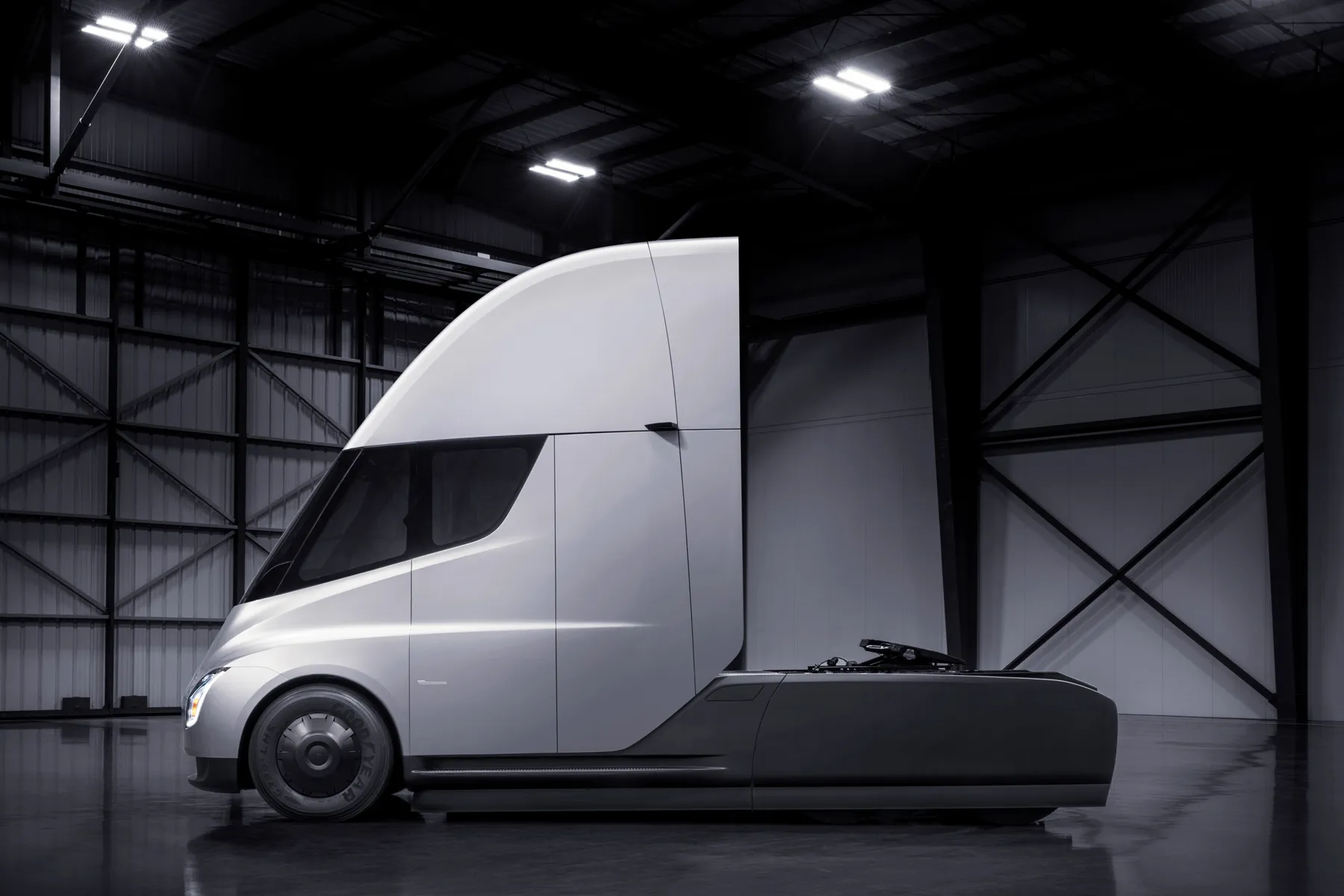
This milestone comes amid an environment that presents both opportunities and challenges. On one hand, the deployment of electric freight trucks like the Semi represents a major leap forward toward decarbonizing a sector long dominated by diesel engines. On the other hand, rising electricity costs and dwindling government support for EV subsidies have complicated Tesla’s narrative around cost-benefit advantages.
But irrespective of the broader economic context, the fact remains: the Tesla Semi is no longer just a future product, it’s a present reality, glimpsed on highways and roads where traditional semis have ruled for decades.
Specs and Performance
While Tesla’s own website lists the Semi’s specs as capable of up to about 500 miles of range on a single charge, and recovering much of that range quickly via high-power charging, new details shared with logistics partners and the industry hint at just how serious Tesla is about performance.

Reports indicate the truck targets about 1.7 kWh per mile of efficiency and peak charging rates of 1.2 MW of power, levels that are transformative compared to conventional diesel trucking. For owners and operators, these figures could translate into significantly lower fuel costs and reduced downtime, two major pain points in long-haul logistics.
Early tests by logistics giant DHL, which has piloted a Tesla Semi in active service, showed consistent performance even under full load and long-distance conditions, reinforcing the truck’s operational potential. In those tests, the Semi achieved efficiency figures similar to what Tesla advertises, even while hauling heavy freight over extended distances.
Commercial Adoption
A unique aspect of the Semi’s introduction is how it has blurred lines between Tesla’s internal uses and external customers. Recent reports note that Tesla itself may be among the first “customers” of the production-intent Semi in 2026, operating trucks within its own logistics and delivery systems as part of an initial fleet.
Beyond Tesla’s own internal deployment, other commercial fleets are expected to begin receiving trucks as volume production scales up. PepsiCo, which was first in line for early deliveries, remains a key reference point for EV heavy-duty adoption, while DHL and other logistics firms have participated in pilot programs that showcase the Semi’s real-world utility.
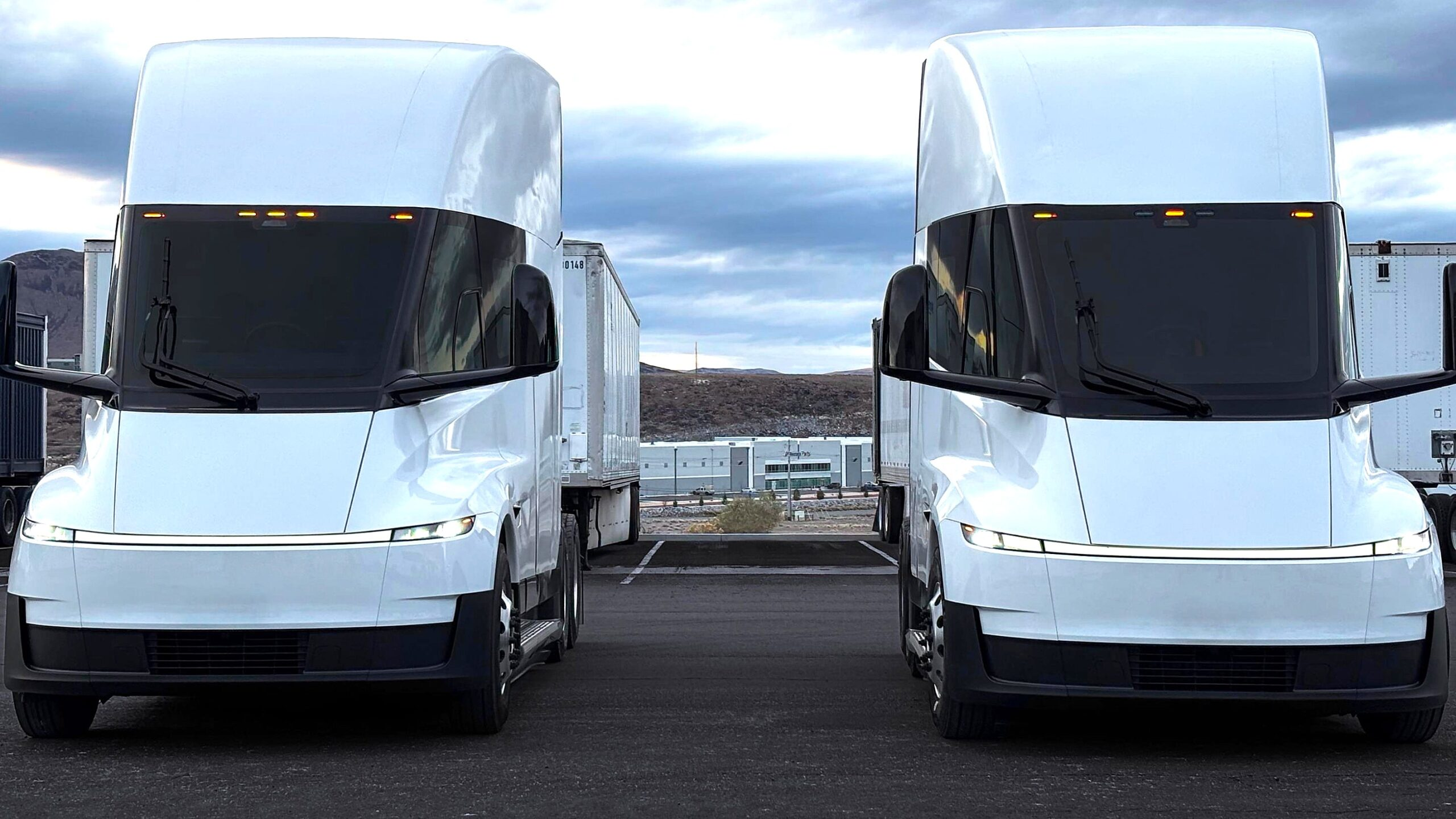
The combined effect is a multi-layered launch strategy that builds both internal confidence and external interest, a contrast to Tesla’s more traditional approach of open public orders for consumer vehicles.
Why Timing Matters
Even as the Semi begins to appear on roads, Tesla faces broader industry and economic challenges. EV incentives in key markets have shifted or shrunk, electricity prices have fluctuated, and infrastructure for high-power charging remains uneven. These factors temper some of the truck’s competitive advantages compared with diesel, or even other electric semis now entering the market from competitors like Volvo and Freightliner.
Still, the road ahead for electrified freight is long, and the Semi’s arrival on public highways, after so many delays, is itself a major statement about the maturity of the technology. It underscores that electric trucking is no longer a distant dream but an emerging reality.
What This Means for the Future
The Tesla Semi’s presence on the road heralds a new era of heavy-duty transport: one defined less by exhaust fumes and more by battery packs and megawatt chargers. For Musk and Tesla, it represents not just another vehicle but a strategic expansion into commercial transportation and energy-efficient logistics.
As volume production ramps up through 2026 and beyond, the Semi could reshape global freight patterns, lower emissions in one of the world’s most polluting industries, and inspire competitors to elevate their electric class-8 offerings.
In a decade that many expected would belong to electric cars, the Tesla Semi’s emergence reminds us that electrification’s greatest impact may be where the wheels are largest, pushing millions of tons of freight across continents with power sourced from electrons instead of oil.