Dubai Property Market Remains Strong Despite Regional Tensions, Says Emaar Founder
Dubai’s property market remains resilient despite rising regional tensions, with Emaar founder Mohamed Alabbar saying strong investor confidence and stable economic policies continue to support the sector.
Mar 7, 2026
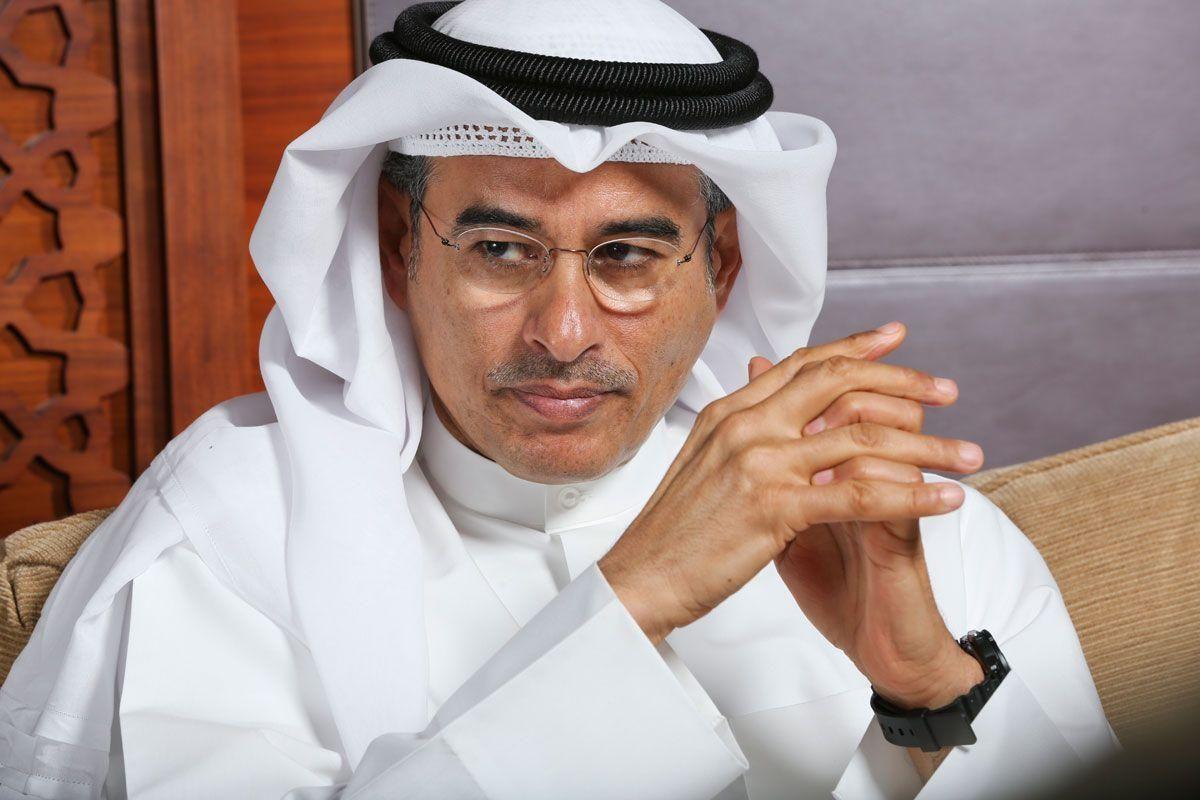
Dubai’s property market remains resilient despite rising geopolitical tensions in the Middle East, according to Mohamed Alabbar, founder of Emaar Properties and one of the most prominent figures in the emirate’s real estate sector. Speaking in a recent interview with CNBC, Alabbar said investor confidence in Dubai continues to remain strong due to the United Arab Emirates’ long-standing policies of stability, economic openness and consistent governance.
His comments come at a time when regional uncertainty and security concerns have raised questions about whether Dubai’s booming real estate market could face a slowdown. However, Alabbar maintained that the emirate’s fundamentals remain intact and continue to attract international investors.
Confidence in Dubai’s economic stability
Alabbar emphasized that the UAE’s economic success is rooted in decades of strategic policymaking and infrastructure development. According to him, the country’s leadership has spent more than 40 years building a stable system that promotes business growth and attracts global capital.
He noted that Dubai has evolved into a global hub for trade, tourism, finance and real estate, offering investors strong infrastructure, a business-friendly regulatory environment and a high quality of life. These factors have helped maintain confidence among international investors even during periods of global or regional uncertainty.
Alabbar also pointed out that social media and speculation can amplify fears during geopolitical events, but the UAE’s long-term record of stability continues to reassure investors. According to him, recent developments have demonstrated the strength of the country’s institutions and its ability to maintain security and economic continuity.
Continued growth in the real estate sector
Dubai’s real estate market has experienced significant growth over the past few years. According to Alabbar, the sector recorded strong expansion in recent years, including approximately 70 percent growth in 2023, followed by around 40 percent growth in both 2024 and 2025.
These figures reflect strong investor demand and a steady flow of capital into the emirate’s property sector. Market data also shows that Dubai’s property market has been reaching record levels of activity. In 2024 alone, the emirate recorded more than 226,000 real estate transactions worth around AED 761 billion, representing a substantial increase in both volume and value compared with previous years.
The upward momentum has continued into recent years. By 2025, total residential sales reached around 203,000 transactions, with overall value rising significantly year-on-year. This sustained activity highlights the strong demand for property across both residential and luxury segments.
In addition, Dubai’s property market achieved a major milestone in 2025, with real estate transactions surpassing $149 billion, reflecting strong global investor interest and continued expansion of the sector.
Demand remains strong despite uncertainty
Addressing concerns about a potential slowdown, Alabbar said there is currently no indication that demand in the property market is weakening. He illustrated this point with a personal example, explaining that while searching for a waterfront apartment in Dubai, he found that sellers were unwilling to offer discounts. According to him, this reflects a market where property owners remain confident and demand continues to support prices.
Alabbar acknowledged that consumer sentiment can sometimes weaken during periods of geopolitical uncertainty. However, he argued that confidence typically returns quickly due to the UAE’s strong economic policies and regulatory framework.
Regional tensions test investor confidence
His remarks come amid rising geopolitical tensions in the Middle East, including recent security incidents that have raised concerns about economic stability in the region. Financial markets in the UAE experienced volatility following these developments, with Dubai’s stock index recording one of its sharpest declines in recent years after regional attacks disrupted trading temporarily.
Despite these challenges, Dubai’s property sector has continued to demonstrate resilience. The emirate has historically positioned itself as a safe haven for global investors and expatriates seeking stability and economic opportunity.
Foreign investment remains a key driver
International investors continue to play a major role in Dubai’s property market. Foreign buyers have increasingly been attracted by the emirate’s tax advantages, long-term residency visa programs and strategic location between Europe, Asia and Africa. Recent reports indicate that investors from several countries remain active in the market. In 2025, Indian buyers emerged as the largest group of foreign investors in Dubai’s residential real estate sector, investing billions of dollars in property across the city.
Such inflows of international capital have been a major factor behind the rapid expansion of the real estate market since the COVID-19 pandemic. Liberal economic reforms, infrastructure development and pro-investment policies have also helped attract global wealth to the emirate.
Long-term outlook and market stability
While some analysts have warned that rising supply could eventually lead to price adjustments in Dubai’s property market, Alabbar has suggested that the focus should remain on maintaining stability rather than rapid price increases. He noted that developers are already generating healthy returns at current price levels and that balanced growth would help sustain Dubai’s long-term attractiveness as a place to live, work and invest. Industry data indicates that residential property prices in Dubai increased by roughly 60 percent between 2022 and early 2025, reflecting strong demand and the influx of foreign investment into the market.
Despite concerns about potential corrections or oversupply in the future, the emirate’s real estate sector remains one of the most dynamic markets globally. Real estate also continues to play a major role in Dubai’s economy, contributing significantly to investment inflows, construction activity and overall economic growth.
A key pillar of Dubai’s economy
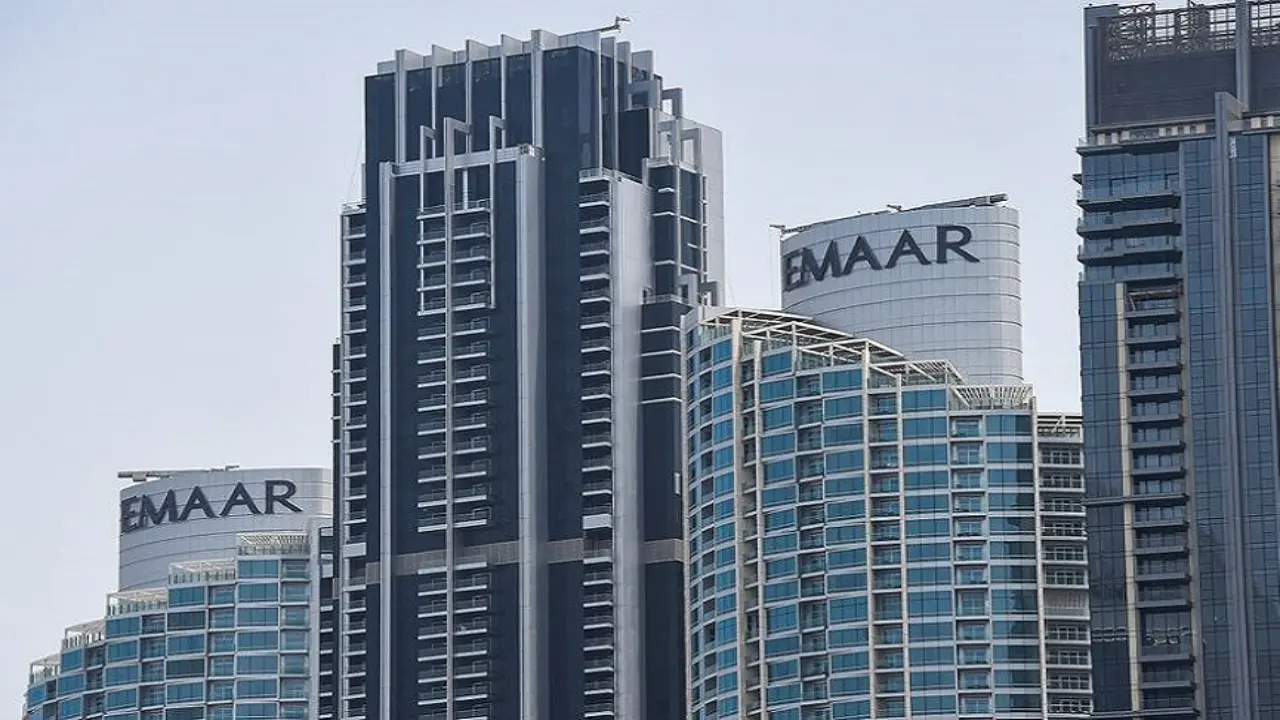
Dubai’s real estate sector has been central to the city’s economic transformation over the past two decades. Major developers such as Emaar Properties have played a crucial role in shaping the skyline with landmark projects including the Burj Khalifa, Dubai Mall and numerous large residential communities.The continued expansion of the property market has also supported growth in related sectors such as tourism, retail, hospitality and infrastructure.
According to Alabbar, the strength of Dubai’s real estate market ultimately reflects broader confidence in the UAE’s economic model and governance. While geopolitical developments may temporarily influence sentiment, he said the emirate’s long-term fundamentals continue to attract investors from around the world. As Dubai continues to position itself as a global business and investment hub, the resilience of its property sector remains a key indicator of investor confidence and economic stability in the region.