Dubai Named World’s Cleanest City for Sixth Consecutive Year
Dubai has been ranked the world’s cleanest city for the sixth consecutive year, achieving a perfect cleanliness score in the Global Power City Index by Japan’s Mori Memorial Foundation.
Mar 10, 2026

Dubai has once again been recognized as the world’s cleanest city, marking the sixth consecutive year the emirate has secured the top position in global cleanliness rankings. The recognition comes from the Global Power City Index (GPCI) issued by the Institute for Urban Strategies at the Mori Memorial Foundation in Japan, which evaluates major cities around the world based on multiple indicators of urban performance.
The latest ranking highlights Dubai’s ability to maintain exceptionally high standards of sanitation, urban planning, and environmental management despite rapid population growth and urban expansion. According to the index, Dubai achieved a 100 percent satisfaction score in the city cleanliness indicator under the Environment pillar of the report, outperforming many major global cities assessed in the study.
Global benchmark for urban cleanliness
The Global Power City Index is considered one of the leading international benchmarks used to assess the competitiveness and attractiveness of global cities. It measures cities across six major functions: economy, research and development, cultural interaction, livability, environment, and accessibility.
Within this framework, the cleanliness indicator falls under the environment category, which evaluates factors such as waste management, urban sanitation systems, and the maintenance of public spaces. Dubai’s perfect score in this indicator demonstrates the emirate’s consistent ability to maintain clean streets, well-managed public facilities, and environmentally responsible waste management practices.
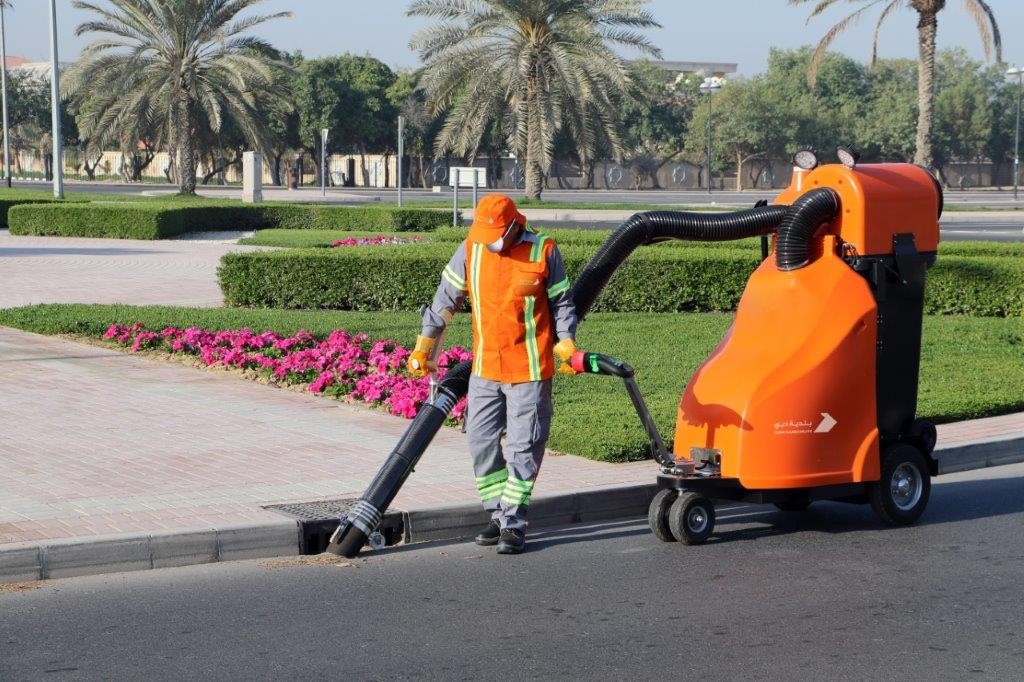
Officials say the achievement reflects years of coordinated planning and execution by various government bodies, particularly Dubai Municipality, which oversees sanitation operations across the city. The ranking also underscores the city’s broader strategy of enhancing public health standards and improving the overall urban environment.
Extensive sanitation and waste management system
A major factor behind Dubai’s continued success in global cleanliness rankings is its extensive sanitation infrastructure and waste management system. The city operates a round-the-clock cleanliness network managed by Dubai Municipality and supported by a large fleet of specialized equipment and personnel.
According to official data, the system includes:
- 785 specialized vehicles and cleaning equipment
- More than 23,300 waste storage and collection units
- Nearly 3,200 sanitation workers, engineers, supervisors, and inspectors
This system covers a wide range of urban areas across the emirate, including 2,400 kilometers of main roads and highways, 1,419 kilometers of investment zones, and 33.4 kilometers of water canals, along with residential communities, beaches, industrial areas, and public markets.
Continuous monitoring and scheduled cleaning operations ensure that public spaces remain clean throughout the day. The municipality also relies on modern cleaning technology, data monitoring systems, and coordinated operational planning to maintain sanitation standards across the city.
Integration with sustainability and circular economy goals
Dubai’s cleanliness initiatives are also closely connected to the emirate’s broader environmental sustainability strategy. The city has introduced several programs aimed at reducing waste production, increasing recycling rates, and promoting circular economy practices.
One of the key initiatives is the Dubai Integrated Waste Management Strategy 2041, which aims to significantly reduce waste generation and divert 100 percent of waste away from landfills by expanding recycling systems and waste-to-energy solutions.
Dubai has already invested in advanced infrastructure to support these goals. The emirate operates the Warsan Waste-to-Energy Centre, one of the world’s largest facilities of its kind, which converts municipal waste into electricity to help power thousands of homes. Additionally, initiatives such as Circle Dubai seek to reduce waste generation at the source. The program aims to lower average daily waste production from 2.2 kilograms per person to 1.76 kilograms while encouraging recycling and environmental awareness across communities and institutions.
Community participation and urban planning
Authorities say that maintaining the city’s cleanliness is not solely the result of government initiatives but also the result of collaboration between government agencies, private sector organizations, and residents. Public awareness campaigns, environmental education, and strict municipal regulations all play a role in preserving the city’s urban environment.
Dubai’s urban planning model also prioritizes well-maintained public spaces such as parks, beaches, waterfront areas, and pedestrian zones. These areas are regularly monitored and maintained to ensure cleanliness and accessibility for residents and visitors.
The emirate’s cleanliness programs are also aligned with the Public Cleanliness Index, which measures the condition of streets and public facilities according to international standards. The index allows authorities to track performance indicators and ensure consistent sanitation across the city.
Sustaining global leadership in urban quality
Dubai’s continued leadership in global cleanliness rankings highlights the emirate’s long-term commitment to building a clean, sustainable, and livable urban environment. Authorities say maintaining high environmental standards is central to the city’s broader vision of enhancing quality of life and strengthening its global competitiveness as a destination for residents, businesses, and tourists.
As cities around the world face challenges related to rapid urbanization, waste management, and environmental sustainability, Dubai’s sanitation model is increasingly viewed as a reference point for integrated urban management.
By combining advanced infrastructure, large-scale operational systems, environmental policies, and community engagement, the emirate has managed to sustain its position as the cleanest city in the world for six consecutive years, a distinction that reflects both long-term planning and continuous improvements in urban management.