
Blood Moon 2026 Total Lunar Eclipse on March 3 Will Be Visible to Billions
A total lunar eclipse on March 3, 2026 will turn the moon blood red for 58 minutes, visible to more than 3 billion people across the Americas, Europe, Asia, and Oceania.
Feb 24, 2026
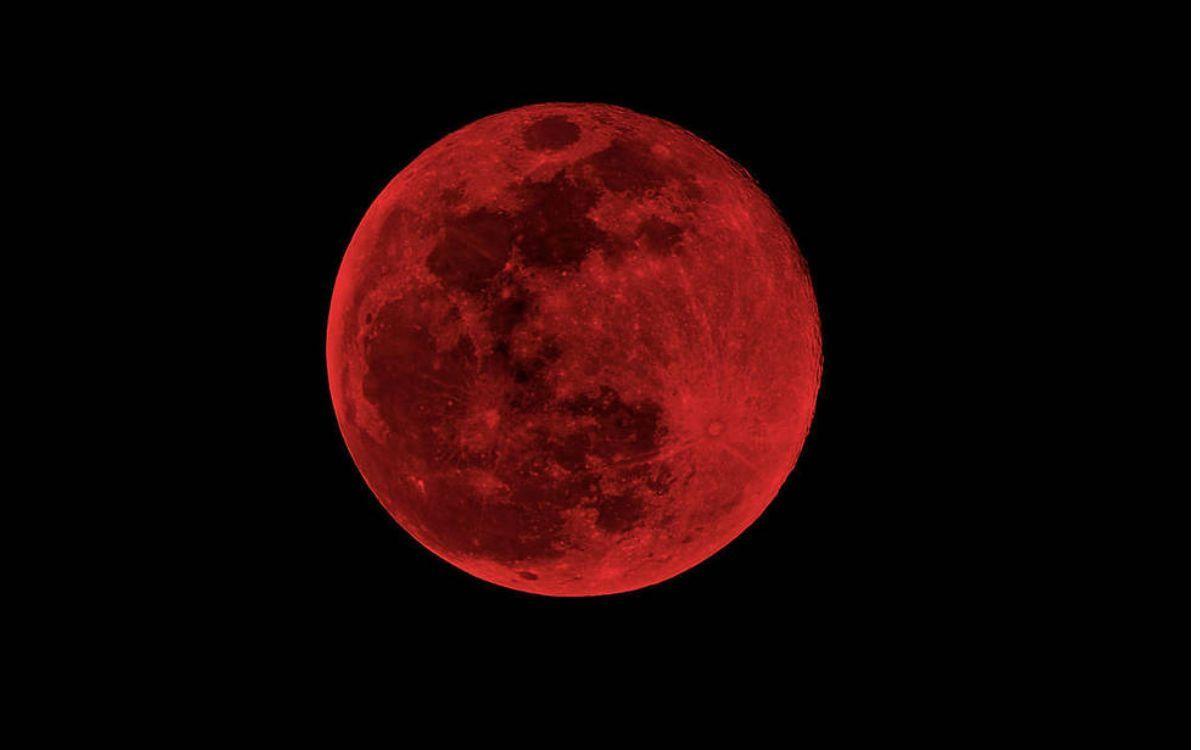
A total lunar eclipse is set to turn the moon a deep shade of red on March 3, 2026, in one of the most widely visible astronomical events of the year. The phenomenon, commonly known as a blood moon, will be observable by more than 3 billion people across parts of the Americas, Europe, Asia, and Oceania, weather permitting.
The eclipse coincides with the March full moon, known as the Worm Moon, named for the time of year when the ground softens and earthworms begin to surface. Totality, the period during which the moon turns fully red, will last 58 minutes.
https://www.instagram.com/reels/DVG0--xk3pa/
What Makes This Blood Moon Special
This total lunar eclipse is particularly noteworthy for observers in North America because of how favorably positioned the continent is for viewing the event in full. West Coast viewers in states including California, Oregon, and Washington will be able to watch the entire eclipse from start to finish, with the full show running through the early morning hours to dawn. It is also the first total lunar eclipse visible from the Americas since 2022, making it a rare opportunity for millions of skywatchers who have been waiting years for a clear, accessible blood moon.
The eclipse comes just two weeks after the annular solar eclipse of February 17, 2026, placing both events within the same eclipse season, a relatively uncommon alignment that has made early 2026 an exceptionally active period for astronomical observation.
What Is a Blood Moon and Why Does It Happen
A total lunar eclipse occurs when Earth passes directly between the moon and the sun during a full moon phase, casting its shadow across the lunar surface. As Earth's shadow gradually engulfs the moon, sunlight filtering through Earth's atmosphere bends around the planet and falls on the moon.
Earth's atmosphere scatters shorter blue wavelengths of light while allowing longer red wavelengths to pass through relatively unhindered, a process known as Rayleigh scattering. This is the same optical effect that produces vivid red and orange skies at sunset. The result is a moon bathed in deep reddish hues for the duration of totality, giving rise to the blood moon name.
Total Lunar Eclipse March 2026 Timings for US Viewers
For viewers in the United States, the eclipse begins at 3:33 a.m. EST on March 3, when Earth's outer shadow, known as the penumbra, begins to encroach on the lunar surface. This early phase is subtle and may be difficult to detect with the naked eye.
At 4:50 a.m. EST, Earth's darker inner shadow, the umbra, will begin to visibly creep across the face of the moon. Totality begins at 6:04 a.m. EST, marking the moment the moon is fully engulfed in shadow and the blood moon phase begins, lasting until 7:02 a.m. EST.
Skywatchers in New York will catch the very beginning of totality in the roughly half hour before the moon sets below the western horizon as the sun rises in the east. Those on the West Coast, including in California, Oregon, and Washington, are better positioned to witness the eclipse in its entirety. Exact timings vary based on location, so checking a resource like Time and Date for a schedule tailored to your area is recommended.
Who Can See the Lunar Eclipse Worldwide
The total lunar eclipse on March 3 will be visible across a broad geographic range. Viewers across the Americas will have the clearest view, along with observers in parts of Europe, Asia, and Oceania, all subject to local weather conditions.
Unlike solar eclipses, which require special protective eyewear, a lunar eclipse is completely safe to watch with the naked eye. No equipment is needed, though binoculars or a telescope will bring out finer detail on the reddened lunar surface during totality.
How to Get the Best View
Because the eclipse is visible to the naked eye across such a wide area, no special preparation is required beyond finding a spot with a clear, unobstructed view of the western sky. For those in eastern parts of the US, timing will be tight, so heading outside before 6:00 a.m. EST on March 3 is advisable to catch at least the opening minutes of totality before moonset.
For those interested in photographing the blood moon, a camera with manual exposure settings and a tripod will produce the best results. Low light conditions during totality require slower shutter speeds than standard nighttime photography, so a stable setup makes a significant difference in image quality.
The March 3 total lunar eclipse is a rare, no-equipment-required sky event that rewards early risers across a large part of the world.