Bangladesh Pakistan Defence Agreement: What We Know So Far
As Tarique Rahman prepares to take oath as Bangladesh's new prime minister on Tuesday, the question of whether a historic defence agreement with Pakistan will move forward under his government remains unanswered.
Feb 16, 2026
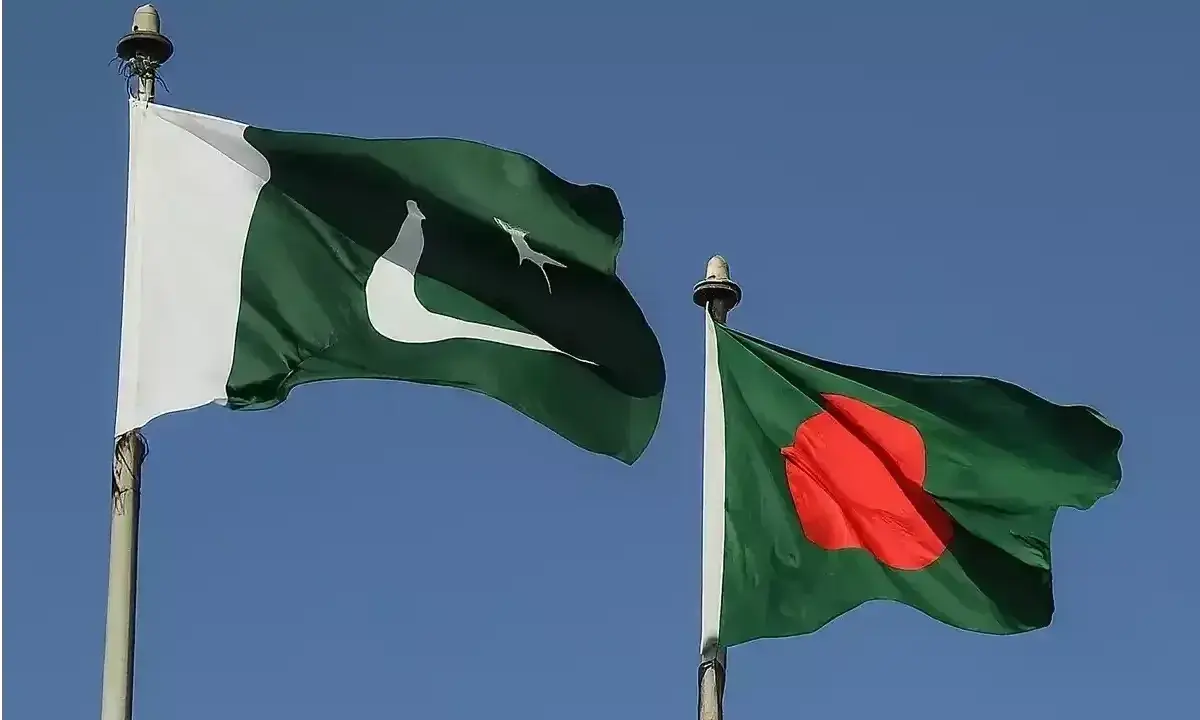
The relationship between Bangladesh and Pakistan is undergoing a dramatic transformation. After decades of minimal engagement, the two countries are now in active discussions over a mutual defence agreement that could reshape the security landscape of South Asia.
The momentum began building after the ouster of former Prime Minister Sheikh Hasina in August 2024 following a student-led uprising. Under the interim government of Nobel laureate Muhammad Yunus, Dhaka began warming up to Islamabad at a pace not seen in the 55 years since Bangladesh's independence from Pakistan in 1971.
According to multiple reports, a joint mechanism has been established between the two countries to finalize the contents and draft of a proposed mutual defence agreement. The pact is reportedly modeled after the Strategic Mutual Defence Agreement signed between Pakistan and Saudi Arabia in September 2025. If finalized, it would cover military-to-military engagement, strategic coordination, joint training, and potentially intelligence sharing and crisis response protocols.
Multiple rounds of talks have already taken place between senior military officials from both sides. Several military memorandums of understanding were signed in 2025 during visits by top officials from both countries' armies, air forces, and navies. Pakistan's ISI Director General also visited Dhaka in what was described as one of the first high-level intelligence engagements between the two countries in decades.
Bangladesh Pakistan Defence Agreement and the JF-17 Fighter Jet Deal
One of the most significant components of the growing defence relationship is the potential sale of Pakistan's JF-17 Thunder fighter jets to Bangladesh. According to Defence Security Asia, the Bangladesh Air Force is reportedly in advanced negotiations with Pakistan Aeronautical Complex for the acquisition of up to 48 JF-17 Block III multirole fighter aircraft. An initial squadron of 16 aircraft is estimated at around USD 720 million.
The discussions gained momentum during the January 2026 visit of Bangladesh Air Force Chief Air Chief Marshal Hasan Mahmood Khan to Islamabad, where he met Pakistan Air Force Chief Air Chief Marshal Zaheer Ahmed Baber Sidhu. According to Pakistan's ISPR, the two sides held extensive talks on procurement of the JF-17 Thunder, as well as expedited delivery of Super Mushshak trainer aircraft and long-term maintenance support.
However, Bangladesh's own military media wing clarified that the procurement process is still at a "very rudimentary level" and remains under evaluation. Dhaka has also been in discussions with China over the J-10CE and with a European consortium regarding Eurofighter Typhoons. The air chief's visit to Pakistan was described as part of a broader evaluation process that also included visits to China and Italy.
The JF-17 itself has seen a surge in international interest following Pakistan's May 2025 conflict with India. Pakistan claims the jet was part of formations that engaged Indian aircraft during the fighting. Since then, Pakistan has finalized or entered into JF-17 deals with Azerbaijan (40 aircraft as part of a $4.6 billion agreement), Libya (16 jets in a deal reportedly worth over $4 billion), and is in discussions with Saudi Arabia as well.
The broader context of the Bangladesh-Pakistan rapprochement includes the resumption of direct flights between Dhaka and Karachi after over a decade, the restart of direct trade between the two countries for the first time since 1971, and eased visa procedures.
Bangladesh Pakistan Defence Agreement After BNP's Landslide Victory
A key question mark over the defence agreement was the outcome of Bangladesh's general elections held on February 12, 2026. The Bangladesh Nationalist Party (BNP), led by Tarique Rahman, won a landslide victory, securing a two-thirds majority with over 212 seats. Rahman, who returned from 17 years of self-imposed exile in the UK just weeks before the election, is set to be sworn in as prime minister on Tuesday, February 18.
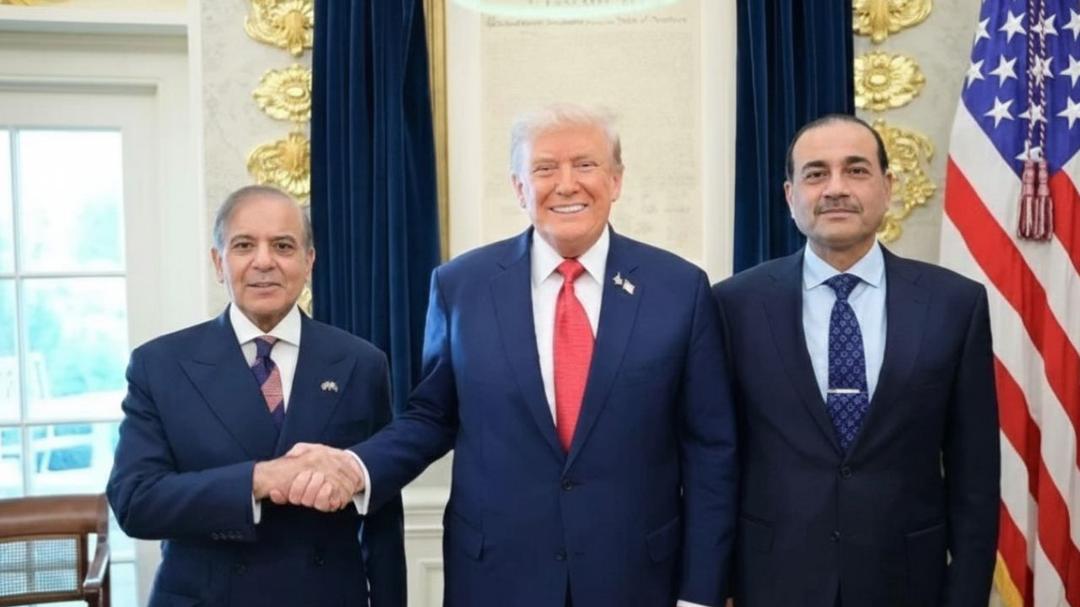
Pakistan's Prime Minister was among the first regional leaders to congratulate Tarique Rahman
Deputy Prime Minister and Foreign Minister Ishaq Dar also congratulated Rahman
Pakistan was officially invited to the oath-taking ceremony. However, according to Dawn, Prime Minister Shehbaz Sharif was unable to attend due to a prior overseas engagement. Federal Minister for Planning and Development Ahsan Iqbal is representing Pakistan at the ceremony instead. Pakistan's Foreign Office stated that its participation "reflects its support for Bangladesh's democratic process and underscores its commitment to further strengthening bilateral relations." Sharif had earlier called Rahman to congratulate him and expressed a desire to strengthen bilateral ties, while Rahman reciprocated by inviting the prime minister to visit Bangladesh.
Rahman has signaled a "Bangladesh First" approach to foreign policy. He stated that his government would pursue balanced relations with India, China, and Pakistan, and would not treat any country as a "master." Analysts expect the BNP to take a "more transactional approach" toward both Islamabad and New Delhi.
Bangladesh Pakistan Defence Agreement: What Happens Next?
Whether the defence agreement and JF-17 deal move forward under the new BNP government remains to be seen. While the momentum built under the Yunus-led interim government was significant, analysts note that fighter jet procurements typically take years to move from exploratory talks to signed contracts. The new government will need to weigh its defence needs, regional dynamics, and relationships with India and China before making any final decisions.
What is clear is that the Bangladesh-Pakistan relationship has entered a new chapter. Whether it culminates in a formal defence pact will depend on the political will in Dhaka and the geopolitical calculations of a region watching closely.