
Avalanche Deaths in Italy Claim 13 Lives in Deadliest Week for Mountain Sports
A record 13 skiers, climbers, and hikers died in the Italian Alps during the Winter Olympics' opening week, with ten victims killed in avalanches triggered by exceptionally unstable snow conditions on backcountry slopes.
Feb 11, 2026
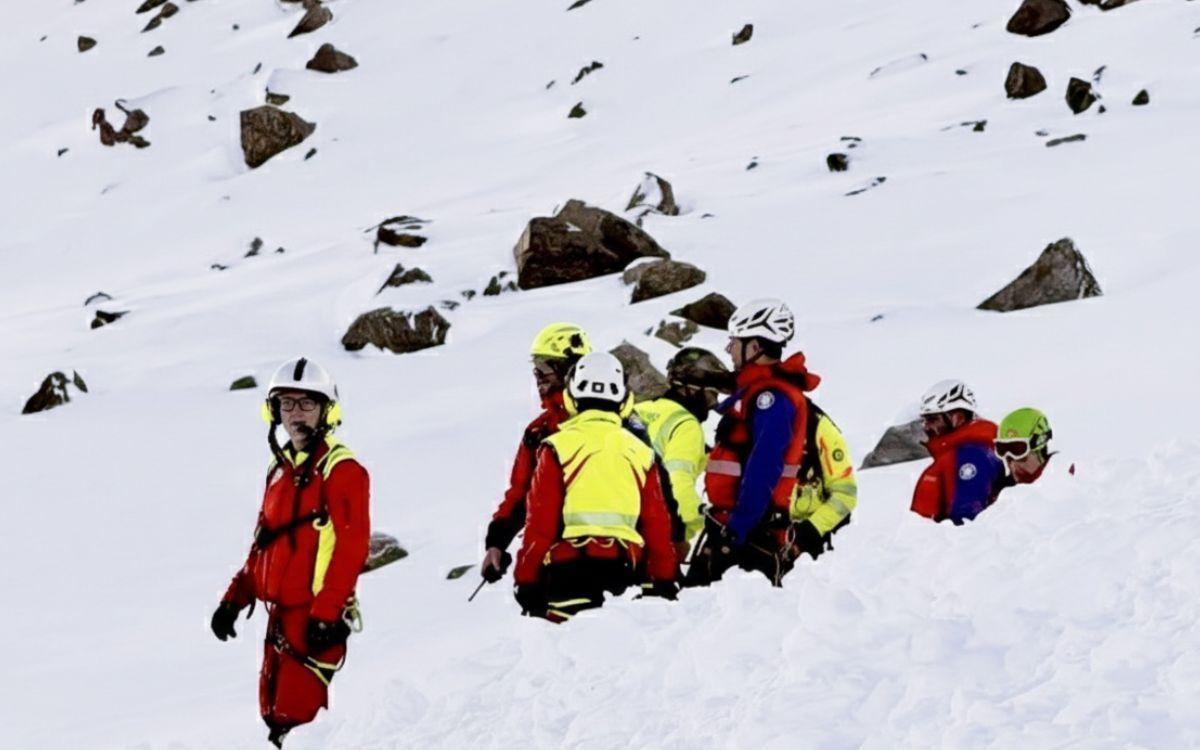
A record 13 people died in the Italian mountains over the past week, according to the Associated Press. The deaths occurred as the Winter Olympics began in the region. Ten of the victims died in avalanches, while two hikers and one ice climber also lost their lives.
Italian Alpine rescuers reported the deaths on Monday, February 9, 2026. The avalanche deaths happened on ungroomed backcountry slopes away from Olympic venues. Fresh snowfall and wind have created dangerous conditions across the Alps.
Federico Catania, spokesman for Italy's Alpine Rescue Corps, said the conditions are exceptionally unstable. Fresh snow during recent storms fell on weak internal layers. Wind-swept snowcaps on these weak layers have made the entire Alpine region risky.
"Under such conditions, the passage of a single skier, or natural overloading from the weight of snow, can be sufficient to trigger an avalanche," Catania said.
The dangerous conditions stretch along the entire Alpine crescent bordering France, Switzerland, and Austria. The unstable snowpack makes it difficult even for experienced skiers to identify safe routes.
Over the weekend alone, six skiers died in avalanches. Two died in Lombardy, three in Trentino, and one in South Tyrol. The deaths included two separate avalanches near the Marmolada glacier in the Dolomites.
Over the weekend alone, six skiers died in avalanches. Two died in Lombardy, three in Trentino, and one in South Tyrol. The deaths included two separate avalanches near the Marmolada glacier in the Dolomites.
One victim was a man skiing off-piste with three companions at Punta Rocca, a 3,300-meter peak on the Marmolada massif. The man triggered the avalanche and died buried in the snow. His companions and other skiers immediately started searching but could not save him.
Two more skiers died in Albosaggia, a village in the lower Valtellina valley, about 65 kilometers east of Bormio.
Earlier in the week, two Finnish skiers in their 50s died in an avalanche near the resort of Solda in South Tyrol on Thursday, February 5.
Another avalanche in Val di Fiemme involved four ski mountaineers on Saturday. One person was buried and killed. Another suffered serious injuries. The remaining two escaped without harm.
The two hikers died on Monte Grappa in Veneto and in the Marche region along the Apennine range. The ice climber died in Valle d'Aosta.
The Milano Cortina Winter Olympics opened on Friday, February 6, 2026. The games run until February 22. Olympic venues are located in Lombardy, Cortina d'Ampezzo in Veneto, and Val di Fiemme in Trentino.
Catania stressed that Olympic sites remain safe.
"There is no danger for people skiing within managed ski resorts, and in particular no risks to the Olympic sites," he said.
The avalanche deaths all occurred on ungroomed slopes in backcountry areas where skiers venture outside managed resort boundaries.
The Alpine Rescue Corps urged maximum caution for anyone heading into snowy terrain. Rescuers advised people to study avalanche bulletins carefully, plan routes conservatively, and carry standard rescue equipment.
AINEVA, Italy's snow and avalanche risks association, flagged a marked risk of avalanches. The organization said fresh snow and moderate winds have created slabs of wind-drifted snow that can be dislodged by just one person.
Catania explained that people have been rushing to the mountains during brief windows of good weather after recent snowstorms.
"As a result the number of accidents, and therefore fatalities, has increased proportionally," he said.
The same Alpine Rescue Corps also rescued U.S. downhill skier Lindsey Vonn after she crashed during competition in Cortina d'Ampezzo on Sunday. Vonn suffered a fractured leg during the women's downhill race.
The 13 deaths represent a record for a single week in the Italian mountains. The number reflects both the dangerous snow conditions and the timing of the Winter Olympics.
Heavy snowfall in recent days has caused multiple avalanches across the Alps. The combination of fresh snow on weak layers creates persistent weak layers in the snowpack. These layers are often covered by more fresh snow, making them hard to detect.
The conditions make avalanche detachments unpredictable. The weak layers can collapse under the weight of a single person. Even experienced mountaineers find it challenging to assess the danger in these conditions.
All Olympic venues remain under constant monitoring. The sites are groomed regularly and assessed for any potential risks. Controlled avalanche mitigation is performed at managed resort areas and Olympic locations to reduce dangers.
The backcountry deaths have highlighted the difference between managed ski areas and uncontrolled terrain. Ski resorts use avalanche control techniques including explosives to trigger controlled slides before opening runs. Backcountry areas have no such protections.
Italy's National Fire Brigade has enhanced rescue operations for the Olympics. Rescue teams have been using helicopters, rescue dogs, and avalanche transceivers to search for victims. The operations are difficult as teams must work in unstable conditions.
Italian authorities continue to warn that avalanche risks remain extremely high across the region. They are urging anyone traveling to Alpine areas to closely monitor forecasts and avoid high-risk zones. The Winter Olympics continue with competitions at the monitored venues.